The best time to trek Gokyo Ri is either during the crisp autumn (Sept to Nov) or the blooming spring (Mar to May). It is a beautiful 10-day, less-crowded alternative to the Everest Base Camp trek. The trail starts from the Sagarmatha National Park entrance and leads to Gokyo Ri. This viewpoint is considered one of the best viewpoints in the Everest region. It offers sweeping views of four of the world’s 8,000m peaks: Mount Everest, Lhotse, Makalu, and Cho Oyu, along with the entire Gokyo Valley and the Ngozumpa Glacier.
But here’s the thing:the actual best season for the Gokyo Ri trek depends on what the trekkers want to feel during the trek. Most trekkers prefer autumn and spring (peak season) to get the best views. The trail itself is at its best state: safe and scenic. Meanwhile, those who love challenges and have great determination choose to trek in the monsoon and the winter season. Similarly, those who want a more peaceful trekking experience choose the early or late autumn season.


So, when is the best time to trek Gokyo Ri? Read the blog below to learn about trekking experiences in each season and discover the best time for you.
Understanding Gokyo Ri’s Trekking Seasons
In Nepal, we experience four primary seasons: spring, monsoon, autumn, and winter. Each of them offers a unique environment in Gokyo Valley defined by its weather patterns. Spring brings more colors and mild temperatures, and autumn brings stable weather and crystal-clear skies. Conversely, the off-season months are characterized by heavy rainfall and lush greenery (monsoon) and extreme cold and heavy snowfall (winter).
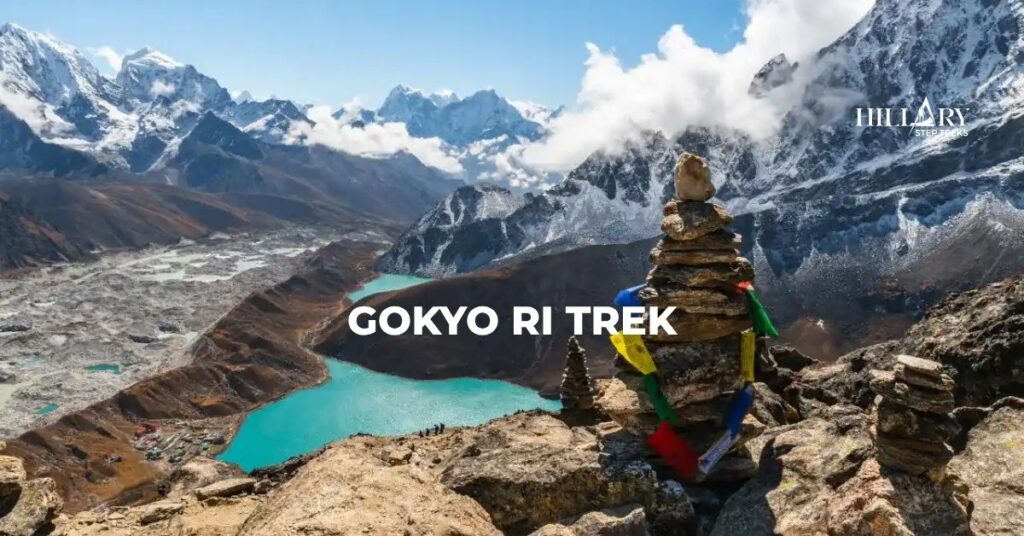
These seasonal differences directly impact your trekking experience. If you’ve trekked to Nepal before, you know that spring and autumn are the ideal times for almost all treks. This season allows excellent visibility. You have unobstructed views of the Everest region’s iconic peaks from Gokyo Ri (5,357m/17,575ft). In contrast, trekking during the monsoon often means cloudy skies and blocked views. Winter may give you peace and some quiet time, but it is tough. It will be freezing cold at higher altitudes, and sometimes the trails covered in snow are too hard to cross.
The Gokyo trek difficulty ranges from moderate to challenging, depending on the season. The summit day includes a +500–600m steep ascent to Gokyo Ri; the altitude makes the final hour feel tougher than it looks. So, basically, autumn and spring seasons are the best times of the year for trekking. The trekking trail itself welcomes you during these months, so you’ll have an easier and comfortable trek. However, if you have to trek in winter or monsoon, know it’s only suitable for experienced trekkers.
Note:You need to get permits (Sagarmatha National Park entry and the Khumbu Pasang Lhamu Rural Municipality permit) for the Gokyo Ri Trek. Most trekking agencies arrange these before you fly to Lukla or Nepal, but it’s still a good idea to ask them about it.
Ideal Months for Clear Skies and Majestic Views
The most popular and recommended months for the Gokyo Ri trek fall between September and November (Autumn) and March and May (Spring). These windows line up perfectly with bluebird skies and give the sharpest vistas of the year. The paths are dry, and the forest is lush but free of monsoon puddles, leeches, and mosquitoes. You won’t be slipping on snow either, or battling icy winds, like in the winter season.
Crisp Air and Everest Views during Autumn (September to November)
The scenery kicks off from the flight to Lukla. Even scattered houses of Kathmandu and the terraced valleys below look beautiful in autumn light. As you fly closer to the Everest region, Everest and Lhotse pierce the skyline. This will be your first glimpse of the Himalayas. On the trek, trails stay dry and grippy, perfect for spotting the first Himalayan views from ridges. From Namche, the views become incredibly clear (full HD). Here, Mt. Thamserku tries to steal the spotlight, but you still see the other peaks. Then, after a hike to Everest View Hotel, you get that classic Everest–Lhotse shot. They look picture-perfect against a crisp sky.
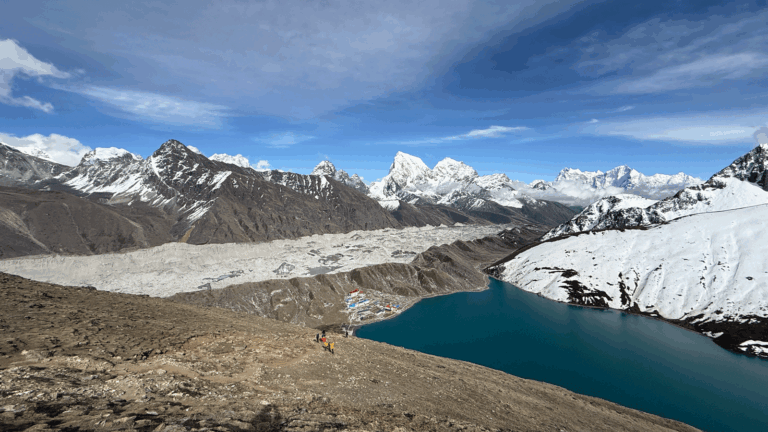
From there, it’s dry ridgelines through Dole and Machhermo. The open skies, rocky trails, and the light hit just right while trekking in this section. Ngozumpa Glacier stretches below like nature’s blueprint: rough, cracked, and impossibly vast. After Machhermo, the trail takes you to a moraine where you can see the Longponga Tsho with its blue water providing a nice contrast to the surrounding stone.Soon after, you’ll see Taujung Tsho, which is wide and reflects the mountains and the surroundings of Gokyo Village (4,750m/15,584ft) beautifully.
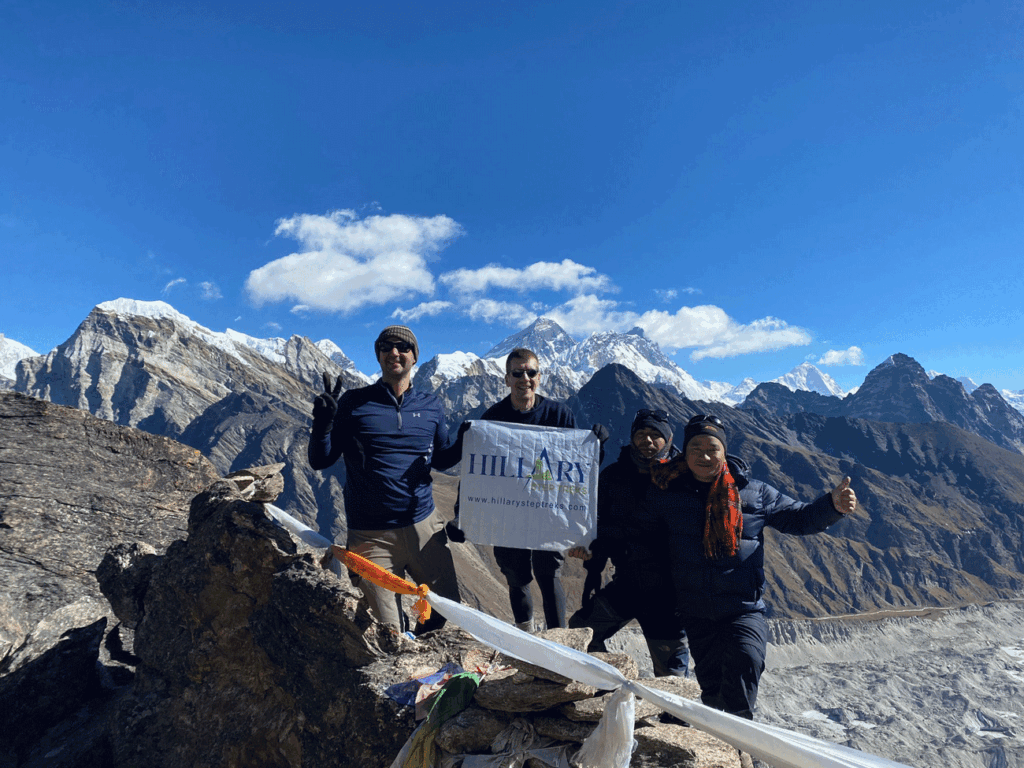
After climbing Gokyo Ri, you witness the four tall peaks, one being the tallest in the world (Mount Everest), another ranking fourth (Lhotse), the next just a notch below at fifth (Makalu), and yet another standing proud at sixth (Cho Oyu). The golden rays of the sun make them even more majestic. You also see the chain of Gokyo Lakes. The one beside the village is Dudh Pokhari (3rd Gokyo Lake), and Thonak Tsho (4th Gokyo Lake), and Ngozumpa Tsho (5th Gokyo Lake) are the ones farther north.
On a clear day, you can even view Longponga (1st Gokyo Lake) and Taujung Tsho (2nd Gokyo Lake) from here. You can watch the rays slowly spread over the glacier and valleys, lighting up the day.
Culture note: Around the full moon of the 10th Tibetan month, typically late October to November, Tengboche hosts the Mani Rimdu festival.
 Moderate
Gokyo Ri Trek
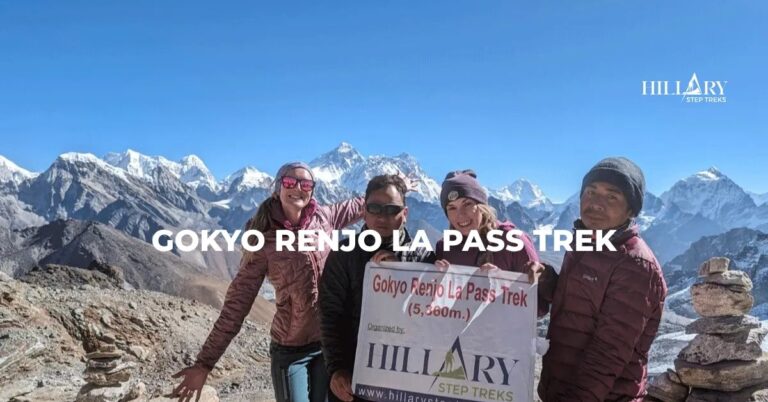 Moderate
Gokyo Renjo La Pass Trek
Blooming Trails and Mild Weather during Spring (March to May)
The scenery from the plane is similar to that in autumn. The main difference is that the atmosphere appears more vivid, devoid of the brown leaves. Additionally, fresh snow covers the peaks. The rhododendron forests are in full bloom, lighting up the trail in vibrant pinks and reds. As you climb toward Namche, you meet with bright green undergrowth and purple primulas. The air feels cleaner and crisper than in autumn, and temperatures are ideal for trekking.
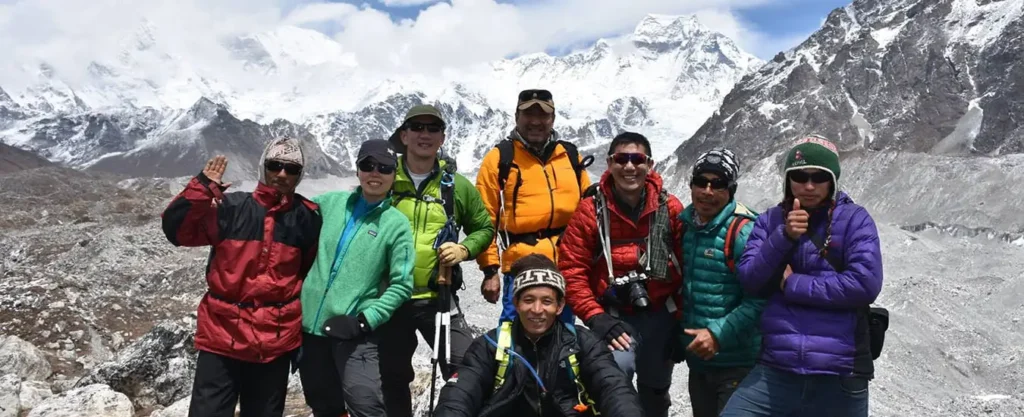
Higher up, the alpine meadows near Dole also appear greener and dust-free. You may also witness small streams on the way to Machhermo, the leftovers of the monsoon. The Gokyo Lakes are just as striking as in fall, with reflections that are brighter and clearer. And lastly, Gokyo Ri sunrise still serves the same majestic views, but now with less fog and more snow sparkle.
Culture note: Thame also holds its Mani Rimdu in April–May according to the lunar calendar.
Is It Worth Trekking to Gokyo Ri in the Off-Season
Yes, you can trek to Gokyo Ri in the off-season, but it is a very different and more demanding experience. Off-season Gokyo Ri trekking separates the casual hikers from the real adventurers. The experience feels special due to its unique scenery and the solitude you feel on the trails and teahouses.
However, only experienced trekkers can trek in these types of trekking conditions. It’s best to avoid both seasons if you’re still a beginner or not prepared, both physically and mentally. If you are experienced and prepared, make sure you have a high level of physical fitness, proper winter gear, and a flexible trek itinerary. Additionally, an experienced guide is also required for navigating through snow on the Gokyo Ri trail.
Quiet Trails, Harsh Cold during Winter (December to February)
The Gokyo Ri trek is one otherworldly experience in winter. The trek routes are nearly empty, offering tranquility, and the air is so crisp and clear that the snow-covered peaks feel closer. According to the winter trekkers, the glacial lakes of Gokyo freeze up into a magical sight. However, this beauty comes at a high cost. You have to endure extremely low temperatures and deep snow, which can make some sections and passes impassable. You should bring trekking poles and microspikes for the winter trails of Gokyo.
Rainy Days and Lush Landscapes during Monsoon (June to August)
The monsoon season (Jun to Aug) is also harsh in the Gokyo region. The main drawbacks are constant rain, which creates muddy and slippery trails, and a high risk of flight delays to Lukla. And it’s also not certain if you can view the Himalayas. However, the landscape itself is greener with new waterfalls cascading down at the hillsides. Blooming flowers add to the beauty of Gokyo in the lower valleys. The clouds and mist frequently limit the views, so you have to be patient and wait for the clouds to part.

Culture note: In Jun–Jul, some Khumbu villages celebrate Dumje, a Sherpa community festival.
Month-by-Month Temperature Insights for Gokyo Ri Treks
| Month | Lower Route Min/Max (2,600–3,500m) | Upper Route Min/Max (4,000–5,350m) |
|---|---|---|
| January | -10°C / 5°C | -22°C / 0°C |
| February | -8°C / 6°C | -20°C / 1°C |
| March | -5°C / 8°C | -15°C / 3°C |
| April | -2°C / 12°C | -10°C / 5°C |
| May | 2°C / 15°C | -6°C / 7°C |
| June | 6°C / 18°C | -3°C / 9°C |
| July | 8°C / 19°C | -2°C / 9°C |
| August | 8°C / 19°C | -2°C / 9°C |
| September | 5°C / 17°C | -4°C / 8°C |
| October | 0°C / 13°C | -8°C / 5°C |
| November | -4°C / 10°C | -12°C / 3°C |
| December | -8°C / 7°C | -18°C / 1°C |
How to Pick the Right Season Based on Your Trekking Style
Here’s a guide to help you choose the right trekking season based on your personal preferences for the Gokyo Ri trek:
| Season | Views | Trail | Crowds | Risks | Who it suits |
|---|---|---|---|---|---|
| Spring (Mar–May) | Clear, snowy peaks; rhodo bloom | Dry above 3,500m | Busy | Afternoon clouds | Photographers, first-timers |
| Monsoon (Jun–Aug) | Cloud breaks, lush valleys | Muddy/slippery | Low | Leeches, flight delays | Only experienced |
| Autumn (Sept–Nov) | Clearest “bluebird” days | Dry & grippy | Peak | Limited beds | Everyone, best balance |
| Winter (Dec–Feb) | Crystal air, frozen lakes | Snow/ice above Machhermo | Low | Extreme cold, closures | Experienced trekkers |
Take the First Step Toward Gokyo Ri
To sum up, the best season for the Gokyo Ri trek is Autumn and Spring for most trekkers. The reason is that it is safer and has perfect trekking conditions. That doesn’t mean trekking in other seasons is bad. Each season (even month) gives you different feels, so there’s not a specific time to do the trek. It just depends on the trekking adventure you wish to have.
For mirror-like Gokyo Lake reflections, the best trekking windows (autumn and spring) offer the clearest water and calmest winds. If you want some rainy season trekking challenges, you can enjoy the monsoon journey. Similarly. If you’d like to feel more snow on the trails, trek in the winter with proper gear. Whether you seek the classic, majestic views of autumn or the serene, rugged beauty of the off-season, the Gokyo Ri trek promises an unforgettable experience.
Now that you have a clearer understanding of what each season offers, it’s time for you to choose. So, select the perfect time for your trek and get in touch with our team to plan for your less crowded trek in the Everest region.