
Dingboche is a small Sherpa village (about 200 residents) situated at an altitude of 4,410m/14,470ft within Sagarmatha National Park. Nestled in the Imja Valley, it lies between Tengboche and Lobuche. Trekkers on their way to Everest Base Camp and peak climbing in the Everest region in Nepal all stop here for acclimatization. More importantly, the village is right beside the Ama Dablam massif, whose dramatic north face dominates the skyline to the south. Other peaks, such as Lhotse, Makalu, Thamserku, Kangtega, Cholatse, and Tawache,are also visible in a line as you move your gaze clockwise. So, Dingboche is a favourite among adventurers and photographers.
Best visited in spring and autumn, it is known as the“last Sherpa village”of the Khumbu Region because further from here, the settlements are temporary. Though small, it is still a thriving hub for Sherpa culture, who follow traditional Tibetan Buddhist practices. You can experience the warm local hospitality and learn more about life in the Himalayas. It is a unique stop on the Everest trekking route that blends majestic views, historical significance, and cultural experiences.
How to get to Dingboche from Kathmandu?
To get to Dingboche from Kathmandu, first you need to reach Lukla. And the most common method to reach Lukla from Kathmandu is to take a 30-35 minute flight from Tribhuvan International Airport to Tenzing-Hillary Airport in Lukla (2,860m/9,383ft). In peak season, you can opt for a 6-7 hour road trip to Ramechhap (by bus) and then take a flight from Manthali Airport to Lukla. This lets you avoid crowds and queues.
Once in Lukla, you trek towards Dingboche. Most itineraries, be it classic Everest Base Camp trek, luxury EBC trek, EBC short trek, Everest heli return trek, or the challenging 18-day Three High Passes Trek, all follow the same route at the start. From Lukla, you trek to Phakding, continue to Namche Bazaar, then move on to Tengboche Monastery before finally reaching Dingboche on the sixth day.
For those who prefer an overland journey, there’s also the classical trek via Jiri or Phaplu, famously known as the Hillary Classical Trek. In this route, you drive from Kathmandu to Jiri, then trek through villages like Bhandar, Sete, Junbesi, Nunthala, Bhupsa, and Chheplung, before joining the main EBC trail at Namche Bazaar. From there, you follow the same route to reach Dingboche. You finally arrive in Dingboche on the tenth day.
 USD 150 OFF
Acclimatization at Dingboche
Dingboche is a designated acclimatization stop and also a popular stop for Everest trekkers, similar to Namche Bazaar. It plays a vital role before you continue your journey toward Everest Base Camp or Island Peak. At Dingboche, you can do short acclimatization hikes to nearby peaks like Nangkartshang or Nagarjuna Peak (5,083m/16,676ft) to help you adjust to the thinning air.


These hikes are designed to allow you to gain some altitude and descend back to Dingboche. It is the “climb high, sleep low” strategy commonly used for altitude acclimatization to avoid altitude sickness. By following this, you help your body adapt to reduced oxygen levels without risking overexertion. This is essential before ascending to the more challenging terrain and high altitudes of Lobuche and Gorakshep villages.
Accommodation & Facilities in Dingboche
Although Dingboche is a remote village in the Khumbu Region of Nepal, accommodations range from deluxe hotels to basic teahouses. There are high-end lodges, such as Hotel Bright Star, Hotel GoodLuck, Hotel Tashi Delek, and many more.
On the Everest trek with us at Hillary Step Trek, you’ll stay at Stupa Inn, which is one of the most popular lodges in Dingboche, known for its good food and hospitality. The inn offers clean and comfortable rooms to help you rest and recharge during your trek. The rooms come with warm bedding, but bathrooms are shared. There’s also a communal dining area where you can enjoy traditional Nepali meals as well as Indian and Western options.
Like most lodges in Dingboche, it also offers Everest Link cards for Wi-Fi, a charging station, and hot showers, but you’ll need to pay extra for these services. Although they provide good blankets, you can bring your own sleeping bag for additional warmth. Despite the limited facilities, lodges in Dingboche are surprisingly comfortable, given their altitude. They provide a welcoming and relaxed environment than the more remote Lobuche and Gorakshep, close to Everest Base Camp.
10 Things to Do While You’re in Dingboche
Dingboche isn’t the only stop for the Everest Base Camp Trek. This lovely and peaceful village, surrounded by peaks, offers you a mix of both adventure and tranquility. It provides you with numerous opportunities to capture and admire the serene natural beauty. Here’s a list of things you should do while you’re in Dingboche:
- Go for a sunrise hike to Nangkartshang Peak: This peak is just 2-3 hours of strenuous hiking from Dingboche. From here, you see the incredible views of Mount Everest, Ama Dablam, Makalu, Lhotse, and Nuptse. It’s also a crucial hike that helps you acclimatize.
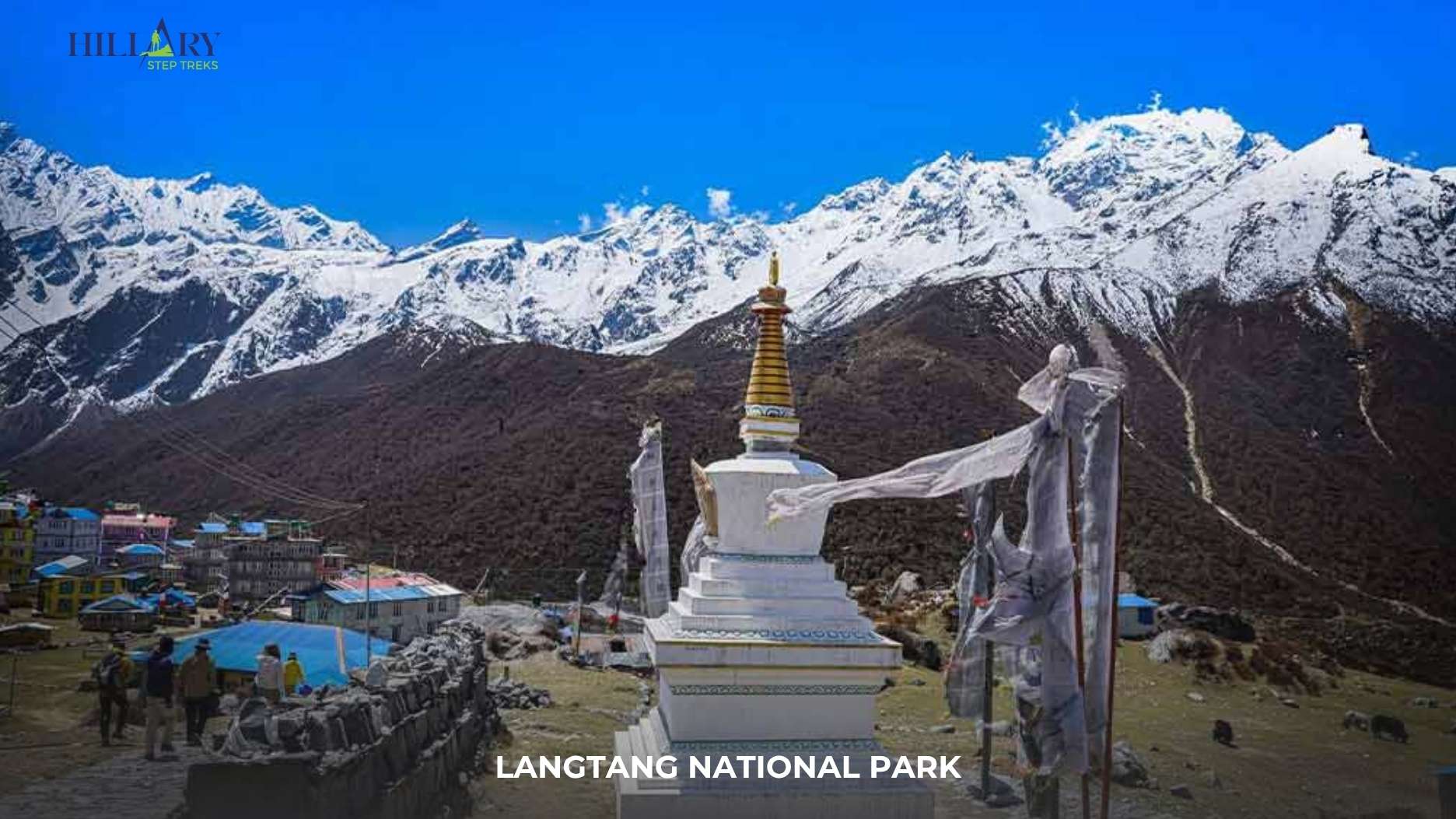
- Visit the Dingboche stupa and Mani Wall: Dingboche is also deeply spiritual, filled with stupas, prayer flags, and wheels. You can walk around the whitewashed stupa and the Mani Wall in a clockwise direction to cleanse your soul, as believed by the Buddhists.
- Hike to Ama Dablam Base Camp: The village’s proximity to Ama Dablam allows you to hike to the base of one of the world’s most iconic peaks. It provides spectacular close-up views of the unique pyramid shape of Mount Ama Dablam. The round trip just takes 6-7 hours and covers 10km.
- Hike to Chhukung Ri: This is a more strenuous 7 to 9-hour day trip from Dingboche. The view from the summit is simply stunning. You can see Lhotse, Makalu, Ama Dablam, and Island Peak, and their respective glaciers that surround them.
- Climb the Island Peak: Dingboche serves as an acclimatization stop for the Island Peak Base Camp trek. If you have good fitness and mountaineering experience, you can climb Island Peak for a raw adventure and challenge. This side trek takes 4 days (including the summit) from Dingboche.
- Visit the nearby village of Pheriche: You can visit Pheriche for a shorter hike to visit Pheriche Monastery and enjoy mountain views. Here, you can also experience how the Himalayan Rescue Association (HRA) hospital provides medical aid and helps trekkers fight against AMS.
- Visit the local French Bakery Cafe: Treat yourself with fresh pastries and coffee at one of the village’s well-known bakeries. It’s a welcome and delicious way to re-energize and celebrate your efforts during the trek.
- Explore the Imja Khola Valley: You may also take a gentle stroll along the river to appreciate the serene natural scenery. You can photograph the unique stone-walled fields and the beautiful river as it flows through the valley.
- Talk with locals and fellow trekkers: Use your downtime to socialize with locals and fellow trekkers in the communal dining hall. Enjoy the warmth from the stove, and share your stories. Simple talks tend to make the trekking experience much better.
- Restock the essentials if necessary: If you require anything, you should restock it in Dingboche. You’ll spend two more nights in Lobuche and Gorakshep, where everything is at the highest prices.