The Annapurna Circuit Trek costs in 2026 lie somewhere between USD 500 and USD 2,500+ per person. The total cost depends on how you plan your trip, your travel style, and the services you choose. Some people do the trek on their own, take local buses, and stay in simple tea houses. Others book a guided package that includes private transport, a guide, porters, and better accommodation. That’s why there isn’t one fixed price for the trek.
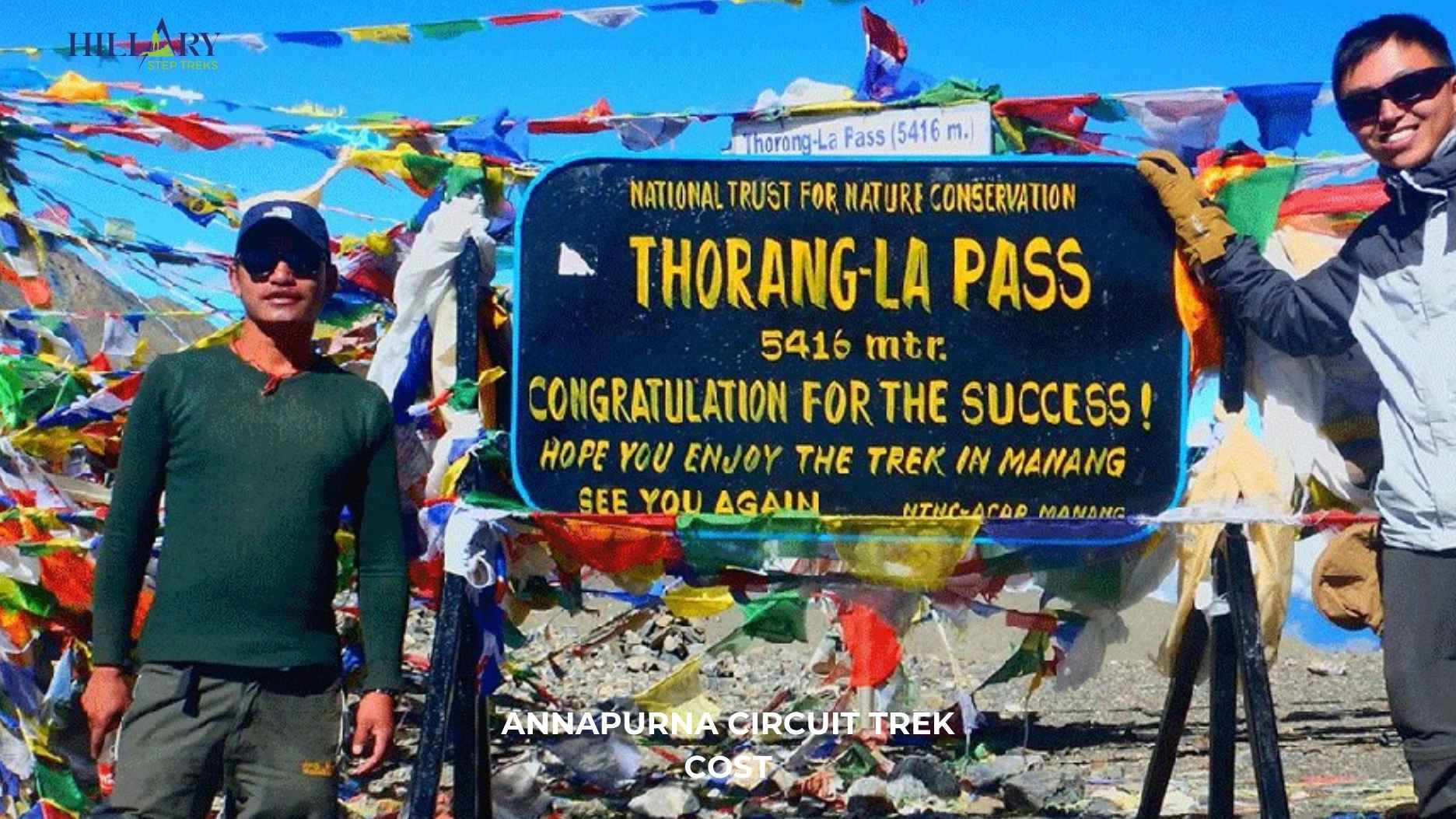
That being said, trekking costs in 2026 are a bit higher than they were a few years ago. Transportation, guide fees, and accommodation in popular villages have slightly increased. As a result, it is even more vital now to plan your budget before coming to Nepal. Luckily, even with these price increases, the Annapurna Circuit Trek is still one of the best-value budget-friendly treks in Nepal. You get to see snow-covered mountains, forests, waterfalls, traditional villages, Buddhist monasteries, and cross one of the world’s highest trekking passes, Thorong La Pass, without spending a huge amount of money.
In this guide, you’ll find a breakdown of all the main expenses you will bear during the trek. This includes permits, transportation, accommodation, meals, guide and porter costs, trekking gear, and a few extra expenses that people often forget. You’ll also see where you can save money without missing out on the experience.
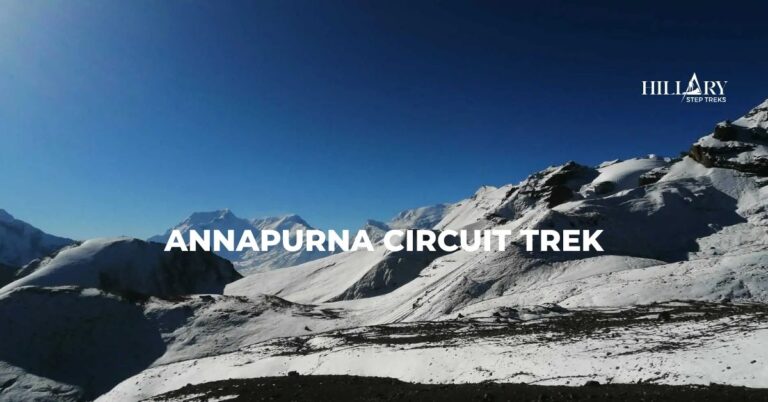
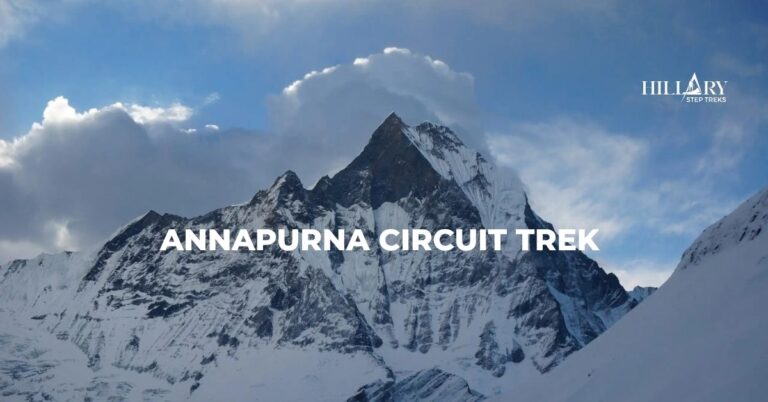
What Determines the Cost of the Annapurna Circuit Trek?
Factors such as trek duration, route variation, trek style (independent vs guided), trek experience (luxury vs standard), and optional add-ons determine the cost of the Annapurna Circuit trek. Some trekkers finish the circuit in 10-12 days using local buses and basic tea houses, while others spend over 2 to 3 weeks on the trail, hire a guide and porter, add Tilicho Lake, and travel by private jeep. So, even when the base cost stays the same, the price rises when you add extra experiences.
Let’s discuss these factors in more detail:
Trek Duration and Route Variations
One of the biggest factors that affects your Annapurna Circuit trek cost is how many days you plan to spend on the trail. The longer you trek, the more you’ll spend on accommodation, meals, guide and porter fees, and your own daily expenses. On the flip side, a longer itinerary also gives you more time to adjust to the altitude and explore places that many trekkers miss.
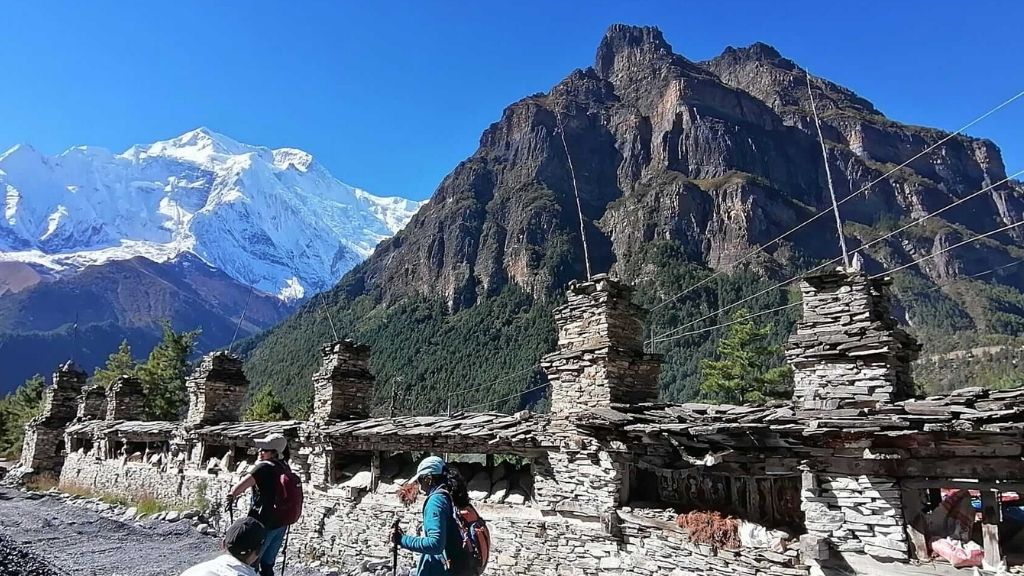
These days, very few people do the original 18 to 21-day Annapurna Circuit because roads now reach much farther into the region. Most trekkers start from Chame or Upper Pisang and finish at Jomsom or Tatopani. This shortens the trek and helps reduce the overall cost.
It’s also worth knowing that the term Annapurna Circuit can mean different things in 2026. For some, it’s a compact, short Annapurna Circuit trek that covers the main highlights and gets them back to Pokhara quickly. For others, it’s a slower pace, an immersive loop through Tilicho Lake and Annapurna Base Camp, with extra acclimatization days. The itinerary you choose will have a direct impact on your total budget.
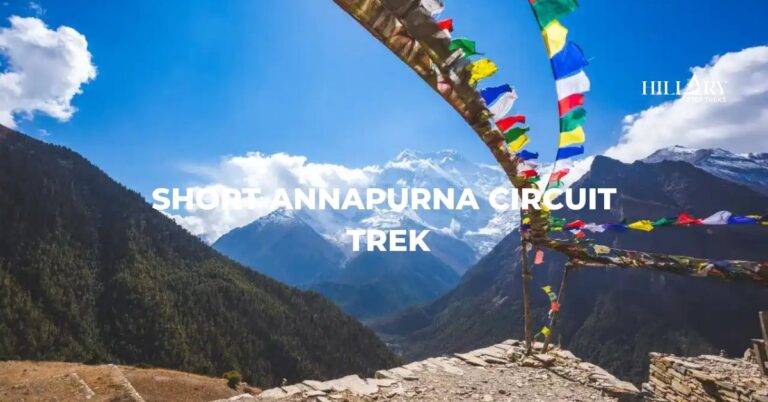
Short Annapurna Circuit
The short Annapurna Circuit Trek starts with a drive to Chame. From there, you trek through Upper Pisang, Manang, cross Thorong La Pass, continue to Muktinath and Jomsom, and then return by bus or flight. And since you’re spending fewer days on the trail, you’ll save money on accommodation, food, and guide or porter fees. However, you’ll spend more on jeeps or flights. This itinerary is best for trekkers who are fit, have limited time, and are comfortable with a faster pace.
Classic Annapurna Circuit
This is the most popular itinerary and offers a good balance between time, cost, and safety. Most trekkers spend a couple of nights in Manang to acclimatize and may take short side trips, such as Ice Lake or Gangapurna viewpoint, before crossing Thorong La Pass. With this itinerary, you avoid rushing while keeping your budget under control. For many trekkers, this is the best value option.
Annapurna Circuit with Tilicho Lake
Annapurna Circuit with Tilicho Lake usually extends your trek by two or three days. That means extra nights in tea houses, more meals, and additional guide or porter costs. Many trekkers also include another acclimatization day before continuing. If you also spend extra time in villages like Braga, Marpha, or Tatopani, your 2-week trek can easily become a 3-week adventure. The daily cost doesn’t change much, but you pay for more trekking days.
Annapurna Circuit with Annapurna Base Camp
Annapurna Circuit with Annapurna Base Camp itinerary combines two of Nepal’s most popular treks into one adventure. After completing the Annapurna Circuit, you’ll continue toward Annapurna Base Camp, adding several more days of trekking. Because of the longer route, you’ll spend more on accommodation, meals, guide and porter fees, and transportation. However, you’ll also experience both the high mountain landscapes around Thorong La Pass and the close-up views of Annapurna I from Base Camp. It’s a great option if you have enough time and want to see more of the Annapurna region in a single trip.
Now let’s see the cost of these Annapurna Circuit Trek package variations with Hillary Step Treks:
| Trekking Package | Duration | Cost range (depends on group size) |
|---|---|---|
| Short Annapurna Circuit Trek | 10 days | USD 550 to 950 per person |
| Classic Annapurna Circuit Trek | 14 days | USD 735 to 1,155 per person |
| Annapurna Circuit with Tilicho Lake | 15 days | USD 1,000 to 1,435 per person |
| Annapurna Circuit with Annapurna Base Camp | 20 days | USD 1,189 to 1,699 per person |
Independent Trek vs Guided Trek
Independent vs Guided Trek also affects your Trek cost. The Annapurna Circuit can be done either independently or on a guided tour. Which option is better depends on your budget, experience, and how comfortable you are planning everything yourself.
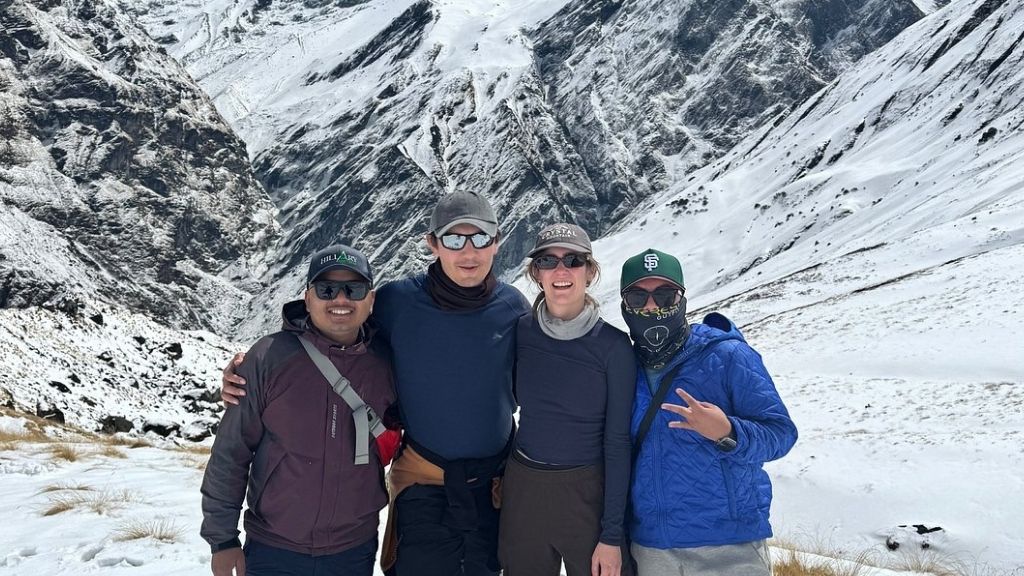
If your main goal is to save money, trekking independently is the cheaper option. You’ll arrange your own transportation, book tea houses as you go, and manage your daily schedule yourself. This gives you the freedom to change your plans whenever you want. That being said, you’ll also be responsible for everything along the way. You’ll need to keep an eye on the weather before crossing Thorong La Pass, understand how to acclimatize properly, and arrange buses or jeeps in mountain towns. The cost of the independent Annapurna Circuit trek ranges between USD 500 and USD 900 per person, depending on trek duration.
In contrast, a guided trek costs more, but it makes the trek much easier. Your tour company will plan everything from accommodation, transport, meals, and the permit. Also, you will be accompanied by an experienced trek guide who will keep you at a safe pace for the altitude and knows what to do if weather or road conditions change. The cost of the guided Annapurna Circuit Trek package ranges from USD 1,000 to 1,600, but can exceed 3,000 USD per person if you choose add-ons.
Standard vs Comfort Trek Experience
- Standard guided trek: If you want to hire a guide or book a standard guided Annapurna Circuit trek package where most of the planning and logistics are taken care of, expect to spend around USD 1,000 – 1,600. Nonetheless, the exact cost depends on your itinerary, group size, and what’s included.
- Comfort trek: If you prefer more comfort, such as private transportation, better accommodation, and extra services along the way, your budget can easily reach USD 2,000 – 3,000 or more, especially if you include flights or extra side trips.
Optional Add-Ons and Extra Services
Besides the main trekking expenses, there are a few extra costs that can add up during the Annapurna Circuit. Most of these are optional, so your final budget depends on how many extra comforts you choose along the way.
Here’s what you can expect to pay in 2026:
| Add-ons | Costs | Notes |
|---|---|---|
| Wi-Fi | USD 2 – 3 | Available in many tea houses, but it’s usually slower and more expensive at higher elevations. |
| Hot shower | USD 2 – 5 | Most tea houses charge separately. Prices are higher above Manang. |
| Charging devices | USD 2 – 5 per device | Many villages rely on solar or generator power, so charging your phone or camera usually costs extra. |
| Sleeping bag or down jacket rental | USD 1 – 2 per item per day | It’s much cheaper to rent your gear in Kathmandu or Pokhara before starting the trek. |
| Jomsom to Pokhara flight | USD 160 – 180 one way | A good option if you want to skip the long and bumpy road journey. |
| Comfort upgrades | Around USD 5 – 10 extra per night | You may be able to get a better room, an attached bathroom, or other extra comforts in places like Manang. |

Annapurna Circuit Trek Permit Cost
Before starting the Annapurna Circuit Trek, every trekker must have the required permit. The money collected from these permits helps protect the Annapurna Conservation Area, maintain trekking trails, and support local communities.
The main permit you’ll need while trekking to Annapurna Circuit is the Annapurna Conservation Area Permit (ACAP). The current ACAP permit fees are as follows:
- Foreign nationals: NPR 3,000 (around USD 25) per person
- SAARC nationals: NPR 1,000 (around USD 9) per person
- Nepali: NPR 100 per person
- Children under 10 years: Free
Another permit you may need is the Trekkers’ Information Management System (TIMS) card, but it’s no longer mandatory to obtain that. Also, it’s not checked at the checkpoints along the route.
Transportation Costs from Kathmandu to the Trailhead
After permits and guide fees, transportation is another base Annapurna Circuit trek cost you’ll need to budget for. The good news is that the Annapurna Circuit is connected by road, so getting to the trailhead is much cheaper than treks like Everest Base Camp, where trekkers need to take a flight.
Most trek to Annapurna Circuit itineraries follow this route:
Kathmandu → Besisahar → Chame → Trek → Jomsom (or Muktinath) → Pokhara → Kathmandu
Your total transportation cost depends on whether you travel by local bus, shared jeep, private jeep, or take a flight on the return.
Kathmandu to Besisahar Transportation Cost:
The trek begins by traveling from Kathmandu to Besisahar. The journey takes around 6-8 hours, depending on traffic and road conditions. Budget travelers usually take a local bus because it’s the cheapest option. If you want a more comfortable ride, a private jeep is the fastest and most convenient choice, especially for groups. If you’re booking a trekking package, transportation is often included, so you won’t need to arrange tickets yourself.
| Transportation | Travel Time | Estimated Cost |
|---|---|---|
| Local bus | 7-8 hours | NPR 600 – 800 (USD 5 – 7) per person |
| Private jeep | 5-6 hours | NPR 15,000 – 22,000 (USD 110 – 175) per vehicle |
Besisahar to Chame Transportation Cost:
From Besisahar, trekkers continue to Chame by shared jeep. The road is rough, but it saves several days of walking compared to the original Annapurna Circuit route.
| Transportation | Travel Time | Estimated Cost |
|---|---|---|
| Shared jeep | 4-6 hours | NPR 2,000 – 3,000 (USD 17 – 25) per person |
Returning from Jomsom or Muktinath to Pokhara Transportation Cost:
After finishing the trek, most people travel from Jomsom or Muktinath to Pokhara. You can either take a bus or a shared jeep, or save time by flying.
| Transportation | Travel Time | Estimated Cost |
|---|---|---|
| Local bus or shared jeep | Varies | USD 15 – 30 |
| Flight (Jomsom–Pokhara) | 20-25 minutes | USD 160 – 180 |
Pokhara to Kathmandu Transportation Cost:
The final part of the journey is returning to Kathmandu.
| Transportation | Travel Time | Estimated Cost |
|---|---|---|
| Tourist or local bus | 6-8 hours | USD 10 – 15 |
| Flight (Pokhara–Kathmandu) | 25 minutes | USD 120 – 125 each way |
In total, most trekkers spend around USD 50 – 400 on transportation during the Annapurna Circuit. The final amount depends on how often you use jeeps, whether you take a flight, and whether you choose private or shared transportation.
Note: When planning your Annapurna Circuit Trek budget, don’t forget to include the return journey. Transportation usually makes up around 10–20% of the total trip cost, so comparing your options before booking can help you save money.
Food and Accommodation Costs Along the Annapurna Circuit
Food and accommodation also make up most of your daily Annapurna Circuit Trek cost. Food prices increase as you climb higher because supplies have to be transported by jeep, mule, or porter. A meal that is affordable in the lower villages will usually cost more once you reach places like Manang and beyond. Most trekkers spend around USD 15 – 50 per day on food, depending on what they order. If you’re trying to keep your budget low, dal bhat is the best value. It’s filling, nutritious, and many tea houses offer free refills.
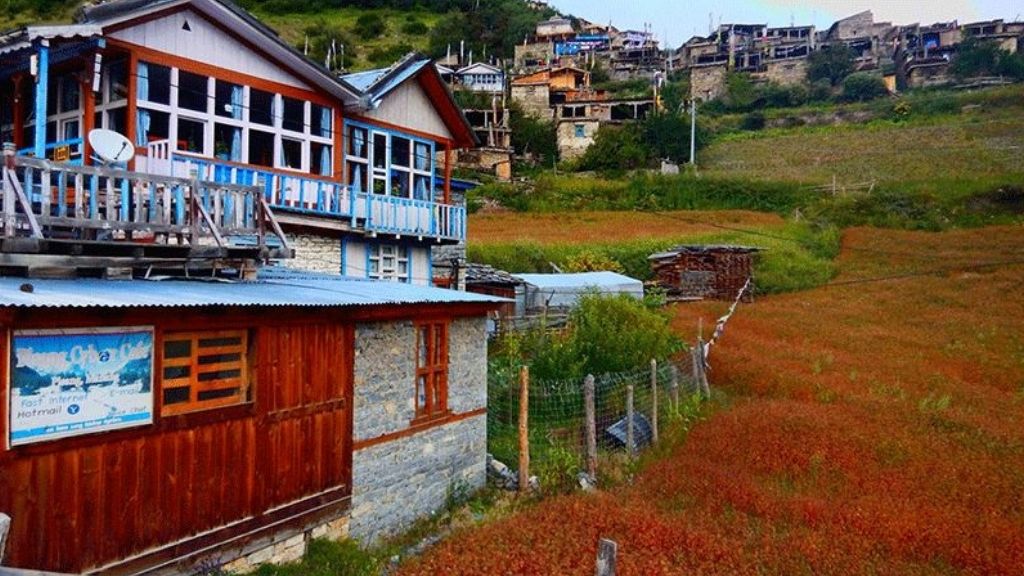
Tea house accommodation is also quite affordable. A basic room usually costs between USD 5 and 15 per night. In some villages, the room may even be free if you order both dinner and breakfast at the same tea house. A standard tea house room usually includes twin beds, a mattress, a pillow, blankets, a shared toilet, and access to a common dining room. If you’d like a little more comfort, some villages have higher-quality lodges with attached bathrooms, better rooms, hot showers, and improved dining areas. These naturally cost more than basic tea houses. Also, tea houses at higher elevations charge extra for charging phones and hot showers. So, you need to budget extra for these.
Guide and Porter Costs
Hiring a guide or porter increases your Annapurna Circuit Trek guide cost, but many trekkers consider it one of the best investments they make during the trip.
A licensed guide helps with route planning, accommodation bookings, explains local culture, monitors your pace for altitude acclimatization, and communicates with tea house owners. If unexpected weather or health problems occur, having someone who understands the region can make a significant difference.
Porters, on the other hand, carry your backpack, so you can trek with a lighter load and enjoy the walk without putting too much strain on your body. Many trekkers choose to hire both a guide and a porter for extra comfort.
Here are the typical daily rates:
| Service | Daily Cost |
|---|---|
| Licensed Guide | USD 25 – 35 per day |
| Porter | USD 20 – 25 per day |
| Guide and porter | USD 45 – 60 per day |
At the end of the trek, it’s also common to tip your guide and porter. Tipping isn’t required, but it’s a nice way to thank them for their hard work.
Is it cheaper to hire a guide in Kathmandu or Besisahar?
In most cases, hiring a guide in Kathmandu or Pokhara is slightly cheaper and gives you more options. Registered trekking agencies offer licensed guides, transparent pricing, and replacement support if any issues arise during the trek. You’ll also get guides who speak different languages and have extensive experience on the Annapurna Circuit.
You can also hire a guide in Besisahar, but your options are more limited, especially during the busy trekking seasons. If guides are in high demand, last-minute bookings may even cost a little more. For most international visitors, arranging a guide before arriving at the trailhead is the more reliable option.
Gear Costs: Buy, Rent, or Borrow
For most people, renting the expensive trekking gear and bringing the basics from home is the most affordable option. There are plenty of trekking shops in Kathmandu and Pokhara where you can rent gear like sleeping bags, down jackets, trekking poles, crampons, and duffel bags at reasonable prices. It’s a win-win: you get to use high-quality equipment while saving a lot of money on items you may not use again after the trek. Nonetheless, if you plan to buy everything new before your trip, your gear costs can easily hit the mark of several hundred dollars.
Here’s a general comparison of renting and buying:
| Gear | Rent (Per day) | Buy |
|---|---|---|
| Down Jacket | USD 1 – 2 | USD 60 – 450 |
| Sleeping Bag | USD 1 – 2 | USD 60 – 600 |
| Trekking Poles | USD 1 – 2 | USD 20 – 170 |
| Duffel Bag | USD 1 – 2 | USD 40 – 180 |
| Crampons (Seasonal) | USD 1 – 2 | USD 25 – 180 |
Hidden Costs Most Trekkers Forget to Budget For
Many people estimate permits, accommodation, food, and guide fees when calculating the cost of the Annapurna Circuit Trek, but they often forget about the smaller expenses that add up throughout the trek. These hidden costs may seem minor on their own, but together they can increase your total budget by USD 100 – 300 or more, depending on your travel style.
Some commonly forgotten expenses include:
- Travel insurance: Around USD 80 – 150 for 2–3 weeks that covers trekking to at least 5,416 m and evacuation.
- Tips for guides and porters
- Wi-Fi charges
- Charging electronic devices
- Bottled water
- Snacks and bakery items
- Alcoholic drinks
- Laundry services
- Toilet paper
- Emergency jeep transportation
- Souvenirs
- Extra hotel nights in Kathmandu or Pokhara
How Trekking Season Impacts Your Overall Budget
The time of year you choose to trek can also affect your overall budget. Prices don’t change by hundreds, but costs for accommodation, transportation, and guide services can be a little higher during the busiest months.
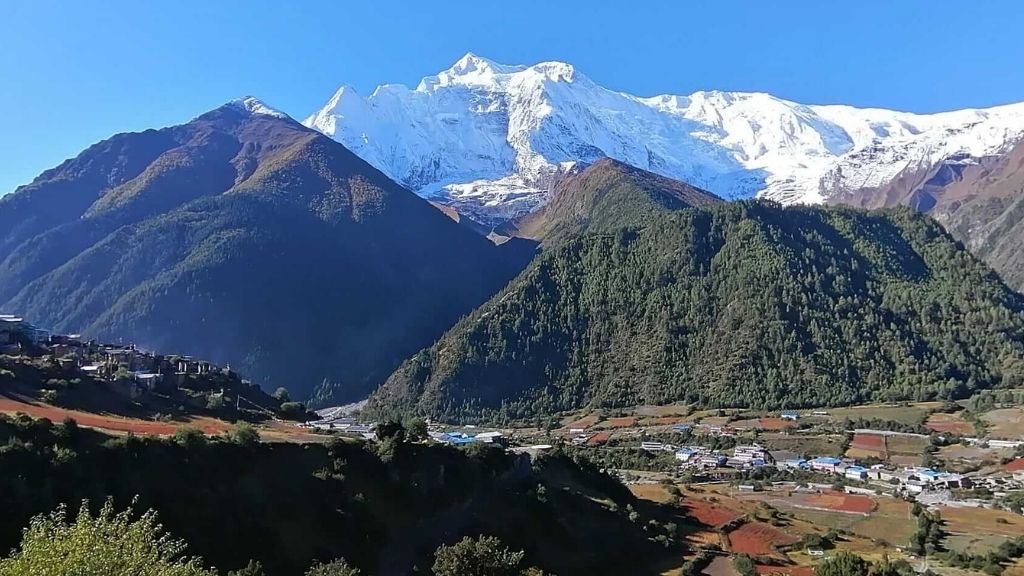
During the best time to hike the Annapurna Circuit (March-May and September-November), more people trek. Tea houses fill up quickly, shared jeeps are in high demand, and guides and porters are busier. As a result, prices are usually at the higher end, and there’s less room to negotiate.
In contrast, during off-seasons (Winter and Monsoon), some tea houses and jeep operators may offer lower prices because there are fewer trekkers. But heavy rain, snow, landslides, or road closures can delay your trip and lead to extra nights in tea houses or unexpected transportation costs. In many cases, these extra expenses can cancel out any money you save.
How to Save Money Without Sacrificing the Experience
A few simple decisions can reduce your overall cost for the Annapurna Circuit without taking away from the experience.
Here are some simple ways to save money during your trip:
- Rent expensive gear like a sleeping bag and a down jacket instead of buying them for one trek.
- Bring your own hiking boots and clothing if you already have them. They’re usually more comfortable than newly purchased gear.
- Carry a reusable water bottle and use water purification tablets or a filter instead of buying bottled water every day.
- Eat local meals, especially dal bhat, which is filling, affordable, and often comes with free refills.
- Pack snacks from Kathmandu or Pokhara before starting the trek. Chocolate bars and other snacks cost much more in the mountains.
- Travel with a small group so you can split the cost of guides, porters, and private jeeps.
- Use local buses where possible and save shared jeeps for rough road sections like Besisahar to Chame.
- Carry a power bank to reduce the extra cost of charging your phone or camera at tea houses.
- Book with a local trekking company if you want a guided trek. Local agencies often offer better prices than international operators.
- Spend on comfort only when it matters most.
Which is cheaper: Annapurna Circuit or Everest Base Camp?
If you’re comparing the two, the Annapurna Circuit is cheaper than the Everest Base Camp Trek. You’ll spend less overall, even though the Annapurna Circuit is often a longer trek. A typical Everest Base Camp Trek (12-14 days) usually costs around USD 1,200 – 2,500 for a guided package that includes tea house accommodation, meals, permits, and a guide. By comparison, a guided Annapurna Circuit Trek (16-21 days) package price is around USD 1,000 – 2,200, depending on the itinerary, group size, and services included.
The main reason the Annapurna Circuit is cheaper is the cost of transportation. The Everest Base Camp starts with a flight from Kathmandu to Lukla, which adds a high cost to the trip. The Annapurna Circuit, on the other hand, is connected by road, so you can travel by bus or jeep for much less. Another reason is that food, accommodation, and other daily expenses are generally lower in the Annapurna region than in the Everest region.
Permit costs are another difference. For the Annapurna Circuit, you only need the Annapurna Conservation Area Permit (ACAP). For the Everest Base Camp Trek, you’ll need both the Sagarmatha National Park Permit and the Khumbu Pasang Lhamu Rural Municipality Permit, which increases the overall cost.
Conclusion
The Annapurna Circuit Trek cost can fit a wide range of budgets. Trekkers spend between USD 500 and USD 2,500+, depending on the itinerary, transportation, accommodation, guide or porter services, and any extra activities they choose along the way.
If you’re comfortable staying in basic tea houses, eating local meals, and using public transportation, you can complete the trek without spending a fortune. On the other hand, if you prefer extra comfort, private transportation, better accommodation, and a fully supported trek, you can easily upgrade your experience to match your needs.
If you’re looking for a well-organized adventure with transparent pricing, Hillary Step Treks offers several Annapurna Circuit Trek packages. These packages can be customized to match your budget, schedule, and trekking experience.
Need a custom itinerary or have questions? Contact us today to plan your Annapurna Circuit adventure.
Frequently Asked Questions for Annapurna Circuit Trek Cost
Expand AllHow much does helicopter evacuation insurance cost?
Is the Annapurna Circuit Trek worth the money?
Is it better to fly or take the bus from Pokhara?
Can I complete the Annapurna Circuit Trek on a budget?
How much is a meal on the Annapurna Circuit?
How much do tea houses cost on the Annapurna Circuit?
How much money do I need per day on the Annapurna Circuit?