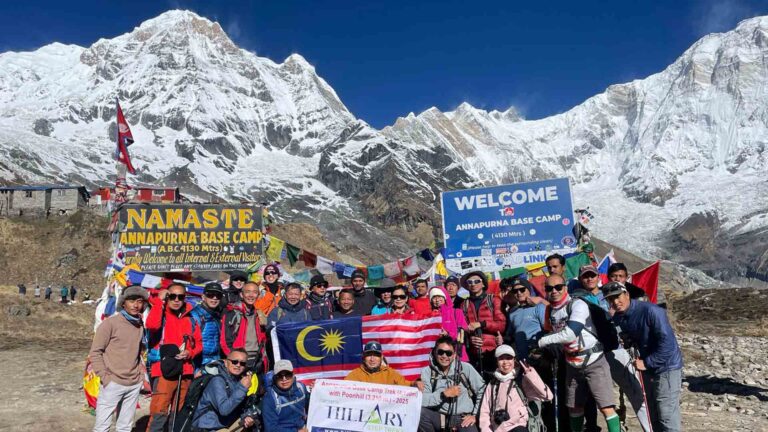
The troubles are over, and the country is safe again. Look at this video to see how kindly tourist buses were treated even during the protest.

Plan Your Trip
Short Annapurna Circuit Trek

Short Annapurna Circuit Trek - 10 days

Starting from

$950

users

Group Size 1+

sort amount

Trip Grade Easy to Moderate

stats up

Best Season March to May, Sep to Nov

apartment

Accommodation Lodge/ Tea House

pyramids

Max Elevation 5416m

dinner

Meals B.L.D

car

Transportation Private

travel

Trek Route Besisahar-Thorong La Pass

Short Annapurna Circuit Trek Highlights

  • Trek through forested river gorges to stark high-altitude terrain near the edge of the Tibetan plateau.
  • Cross Thorong La Pass at 5,416m, one of the world’s highest trekking passes.
  • Witness stunning views of the Annapurna Massif, Great Barrier Ridge, and the dry, desert-like valleys of Manang and Mustang, along with Pisang Peak, Gangapurna, Tilicho Peak, and the Dhaulagiri range.
  • Explore the sacred sites of Nepal, including Muktinath Temple, Pisang Monastery, and Braga Monastery.
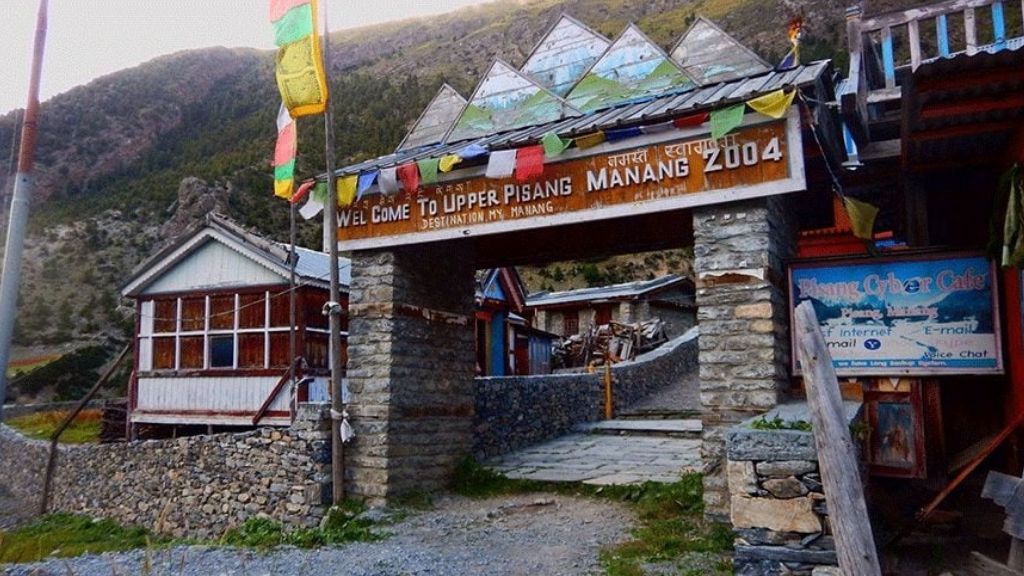
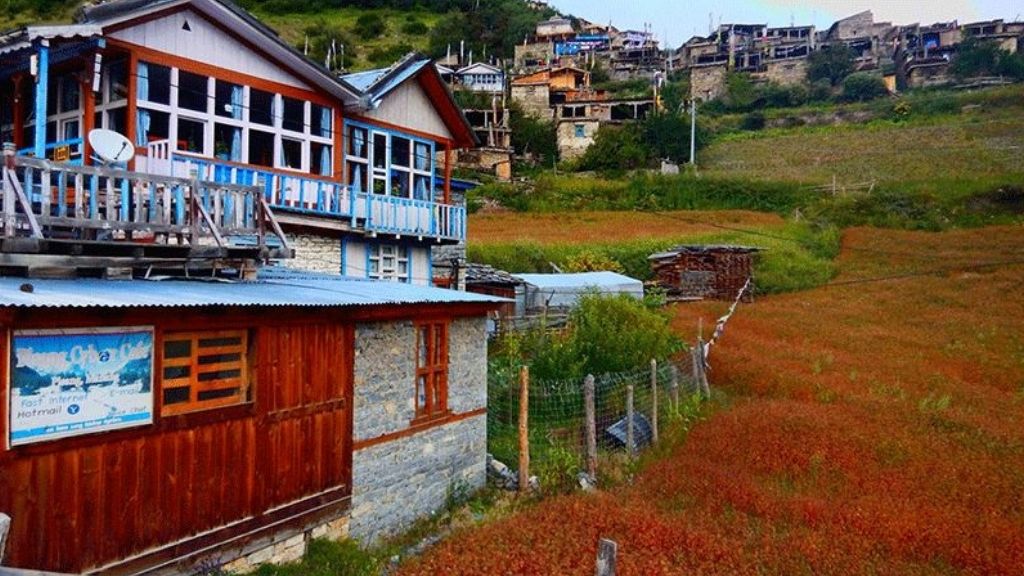
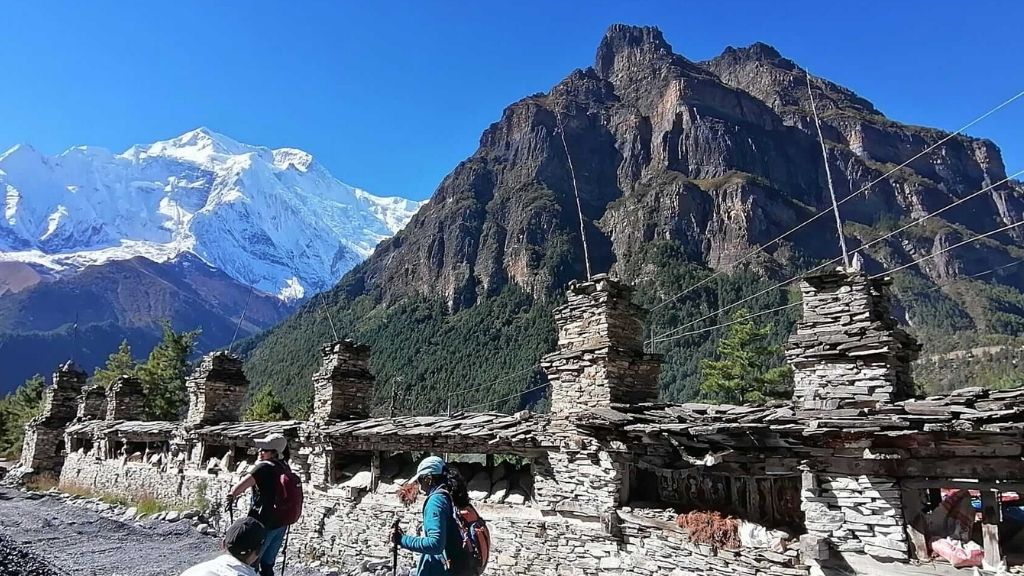
  • Stay in traditional stone villages like Upper Pisang, where prayer flags, mani walls, and hilltop monasteries reflect Tibetan Buddhist culture.
  • Enjoy side hikes to Gangapurna Lake and nearby glacier viewpoints, with comfortable mountain lodges and bakeries.
  • Start the trek in Chame, with stops at hot springs, pine forests, and close-up views of Lamjung Himal and Annapurna II.
  • Follow high circuit trails through Ledar and Thorong High Camp, yak pastures, suspension bridges, and rocky slopes to Mustang.
Private Group Discount Cost
Person(s) Price per Person
1 Pax USD 950
2 Paxes USD 685
3 Paxes USD 665
4 - 6 Paxes USD 635
7 - 12 Paxes USD 605
13 - 18 Paxes USD 550

Short Annapurna Circuit Trek Overview

Our Short Annapurna Circuit Trek offers the core Annapurna Circuit experience without committing weeks on the trail. Starting with a drive to Chame, the route takes you directly to iconic sections such as Upper Pisang, Manang, and over Thorong La Pass, finally to Muktinath Temple. Because it skips lower-elevation villages, you can experience local culture and high-mountain life in traditional stone villages right from the early days of the trek.

This shorter version is perfect for anyone looking for a short holiday or for those with less flexible schedules. You still follow the same classic Annapurna Circuit Trek route across the pass and move through distinct ecological zones. You stay in traditional stone villages, visit Buddhist monasteries in Pisang and Braga, and acclimatize properly in Manang. Along the way, you enjoy close-up views of Annapurna II, III, and IV, Gangapurna, Tilicho Peak, Pisang Peak, and distant Dhaulagiri, before ending at the sacred pilgrimage site of Muktinath.

Thus, you can get a true high-altitude challenge that rivals the more extended version in just ten trekking days. So, if you want the same iconic experience with fewer days and fewer unnecessary sections, the Short Annapurna Circuit Trek delivers maximum impact with no compromises.

Short Annapurna Circuit Trek Itinerary

Collapse All
Day 01

Drive to Besisahar from Kathmandu by Bus

7 hours drive B.L.D Lodge 760m/2493ft

Today is the first day of your Short Annapurna Circuit Trek. To begin your trek, you start in Kathmandu and drive towards Besisahar via bus. The route follows the Trishuli and Marshyangdi river corridors. You pass through important highway junctions such as Muglin and Dumre, where roads from Pokhara and central Nepal meet. The scenery includes beautiful waterfalls, rivers, barren landscapes, and lush jungles. Beautiful mountain peaks, such as Ganesh Himal and Manaslu, accompany you from a distance on clear days, especially after Dumre.

After seven hours of bus driving, you reach your destination. Besisahar is a small but beautiful city in the Annapurna region that has long become a tourist hub. You can introduce yourself to the locals by meeting people in local restaurants and cafes. Overnight stay in the lodges.

Besisahar
Day 02

Drive to Chame from Besisahar by Sharing a Jeep

8 hours drive B.L.D Teahouse 2710m/8891ft

The second day of the trek begins with breakfast in Besisahar. You can also visit a local vantage point to see the sunrise over Lamjung and the Ganesh Himal if you prefer. If not, sleep in or do some yoga or stretches. After breakfast, you board a jeep and head to the beautiful hill station of Chame, known for its hospitality and mountain views.

For the next three hours, you travel along the beautiful Marshyangdi River. The jeep track is rough and off-road. You pass through small villages and settlements like Bhulbhule, Jagat, Dharapani, Koto, and so on, which you usually trek through on the standard Annapurna Circuit Trek. You can glimpse village life and the Magar and Gurung cultures as you pass them. Pine and Rhododendron forests will follow you until you reach Chame. You stay overnight at a local teahouse.

Day 03

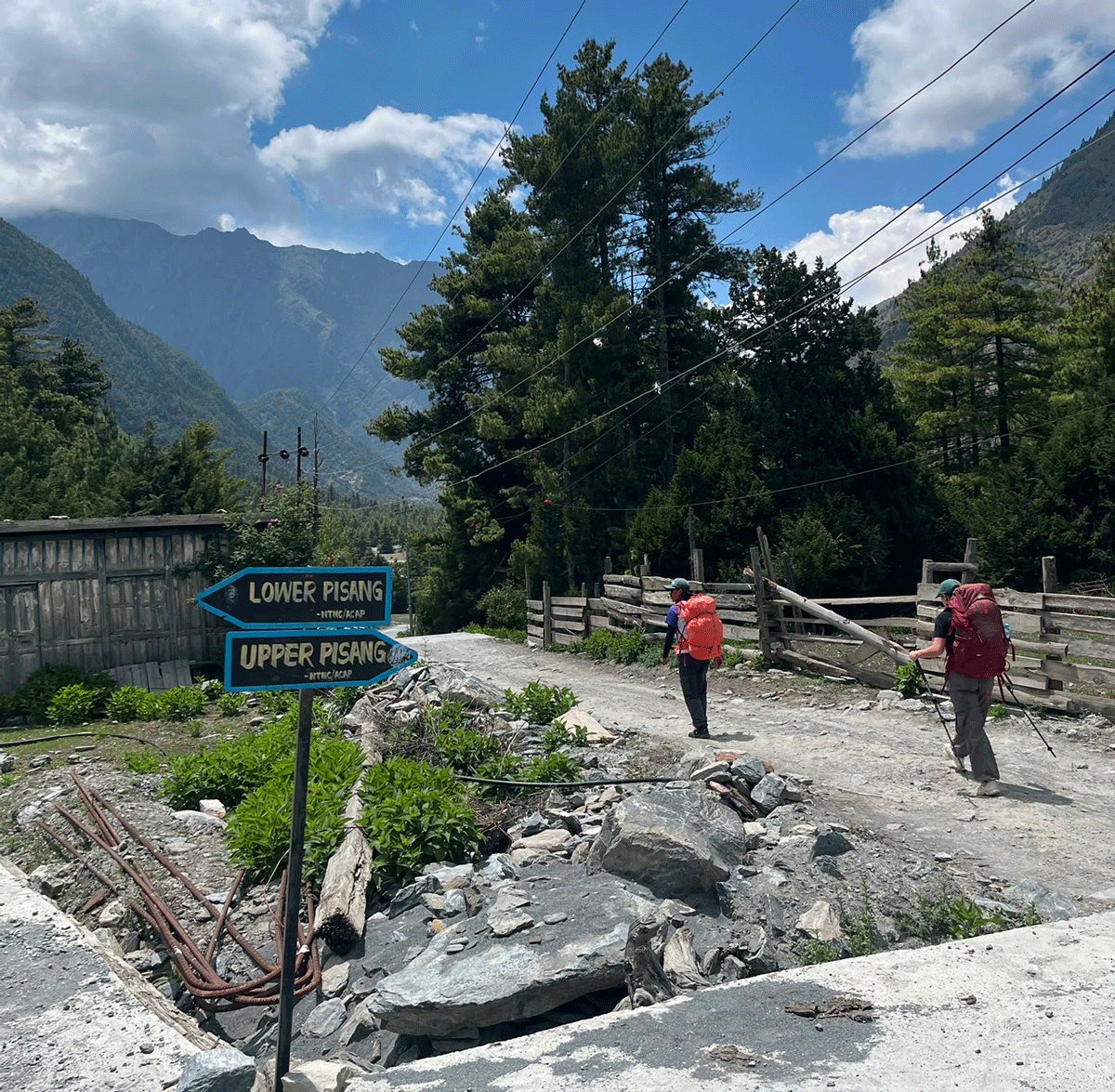
Trek from Chame to Upper Pisang

5 hours trek B.L.D Teahouse 3300m/10827ft

On the third day of your Short Annapurna Circuit Trek, you start with breakfast in Chame. After having breakfast, we will leave the valley and continue ascending through apple orchards and forests of rhododendrons and conifers. On this trek section, you can still see beautiful rhododendron flowers in full bloom in spring.

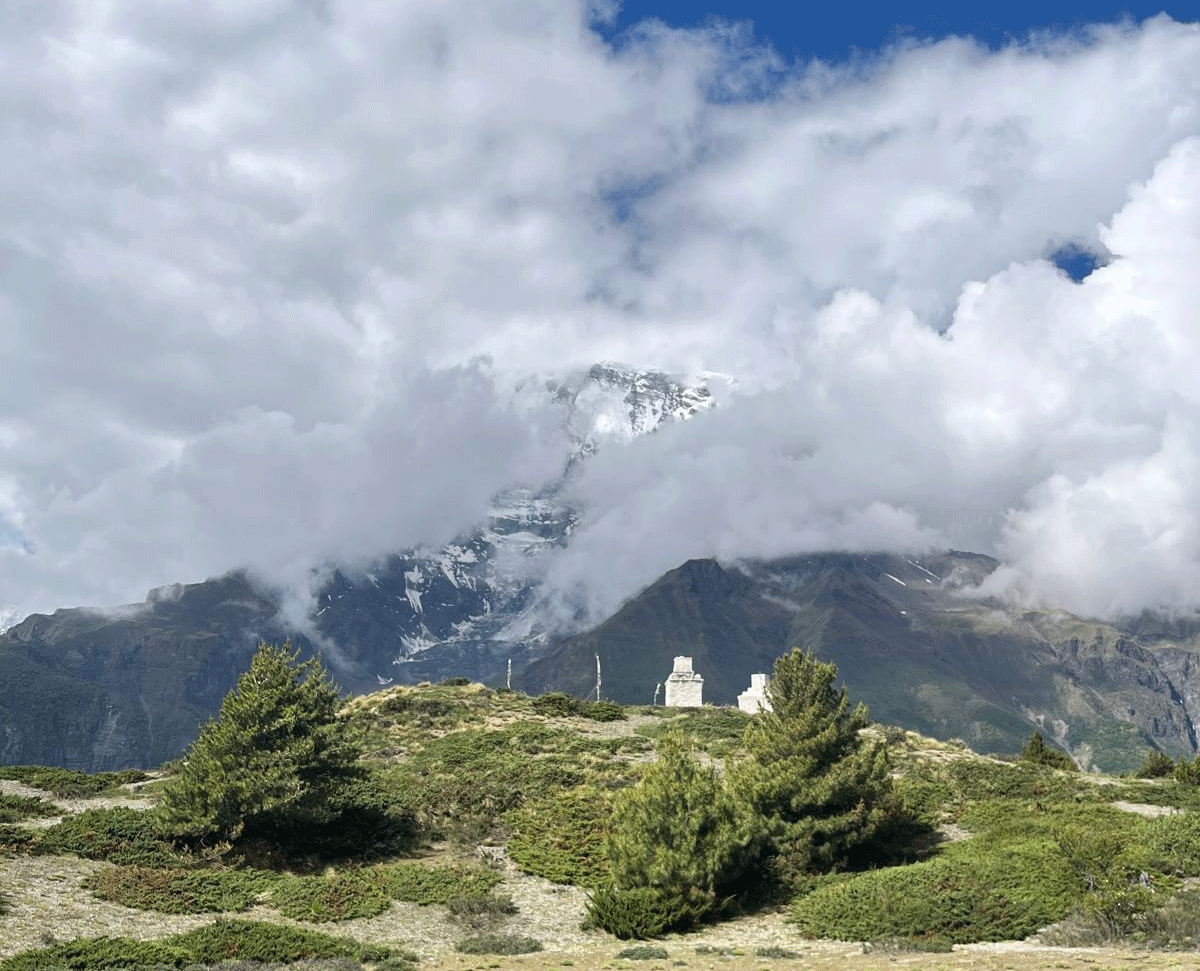
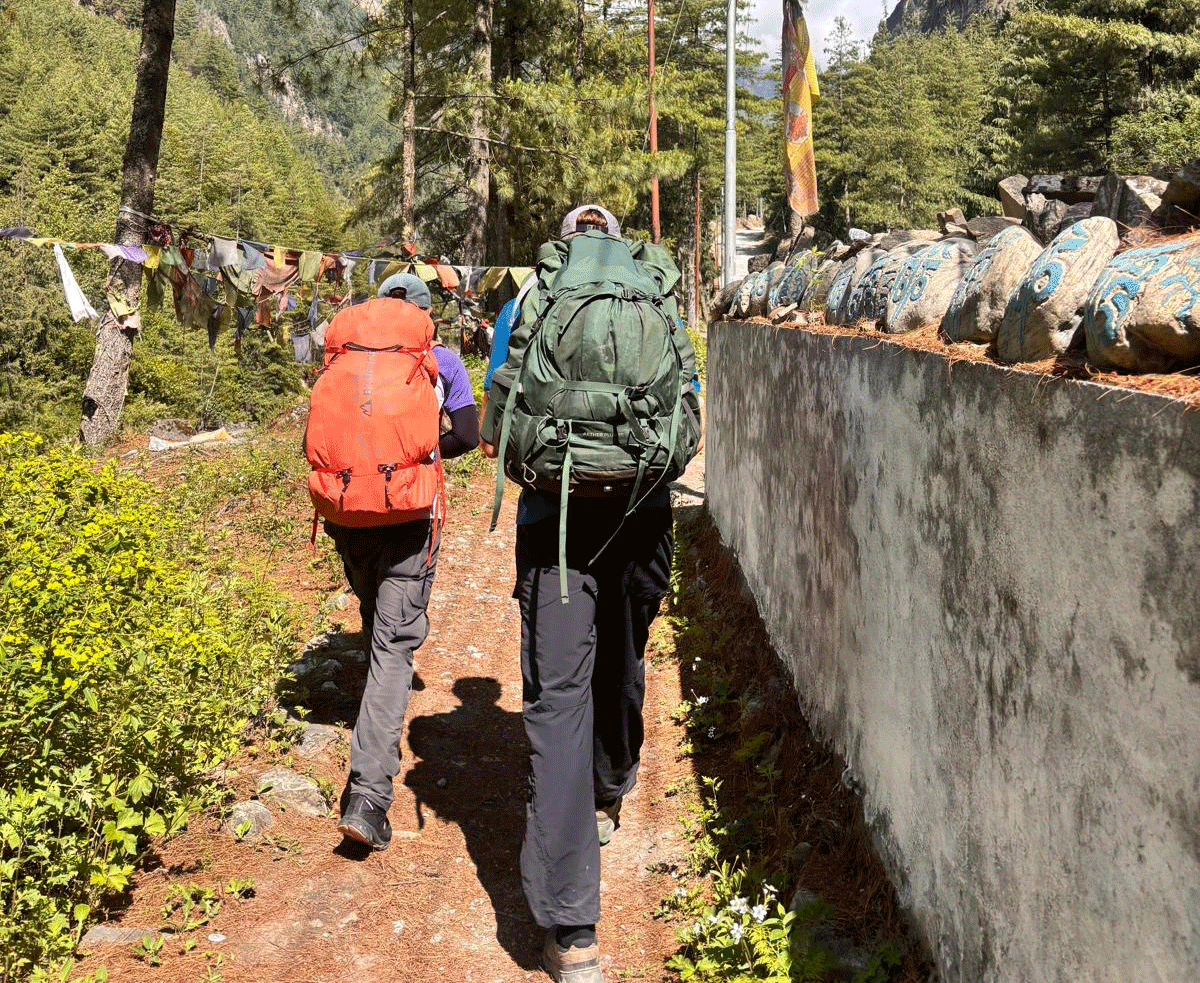
On our way, we will cross suspension bridges adorned with colorful prayer flags. You can also enjoy breathtaking views of the Paungda Danda, a massive curved rock wall rising above the valley. It is considered a “Gateway to Heaven” by locals. Once we reach the traditional Himalayan settlement of Pisang, we will stay at the best trekking lodge available, where you can chat with the locals, enjoy delicious tea, and enjoy stunning mountain views.

Upper Pisang
Day 04

Trek from Upper Pisang to Manang via Nyawal Village

7 hours trek B.L.D Teahouse 3540m/11614ft

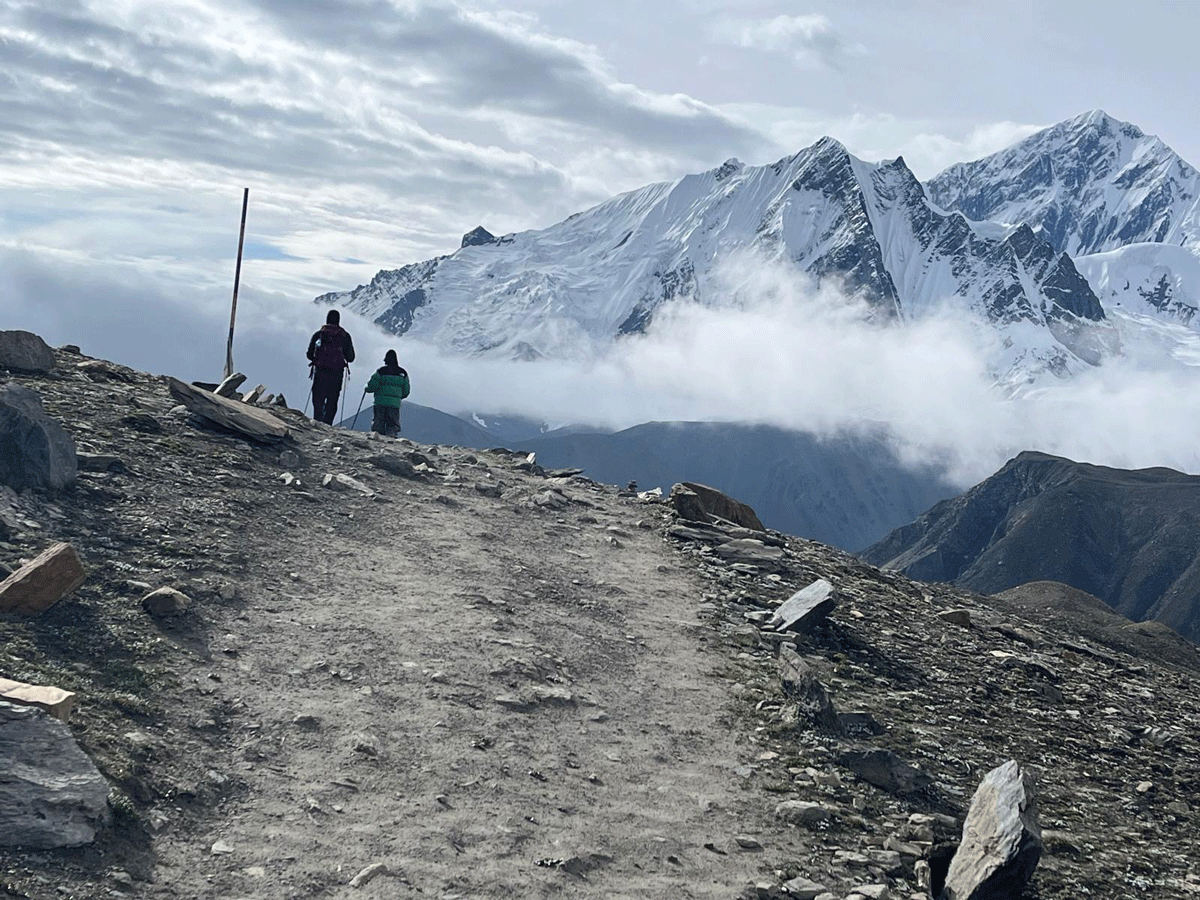
Leaving Pisang, the Short Annapurna Circuit Trek continues as you make your way towards Manang, which is at an altitude of over 3,540m. Today, you will mostly be climbing steep hills and ascending the high trail. It is one of the most challenging sections, but also the most scenic. Just above the village, Mring Tso, also referred to as the “Green Lake,” lies. Here, you can enjoy photographing. Then, continuing, you pass through the Nyawal or Ghyaru village, where Annapurna II, III, IV, and Pisang Peak are visible.

Besides snow-capped hills, the scenery includes pine trees, Mani walls, and barren settlements as you enter the “rain shadow” of the Annapurna range. You may spot Blue Sheep (Bharal), Himalayan Tahr, marmots, and various high-altitude birds. You arrive in Manang in the late afternoon. In the evening, you can either rest or explore the town. You can either visit local restaurants and drink shops or even visit monasteries.

Day 05

Rest Day and Acclimatization at Manang

N/A B.L.D Tea house 3540m/11614ft

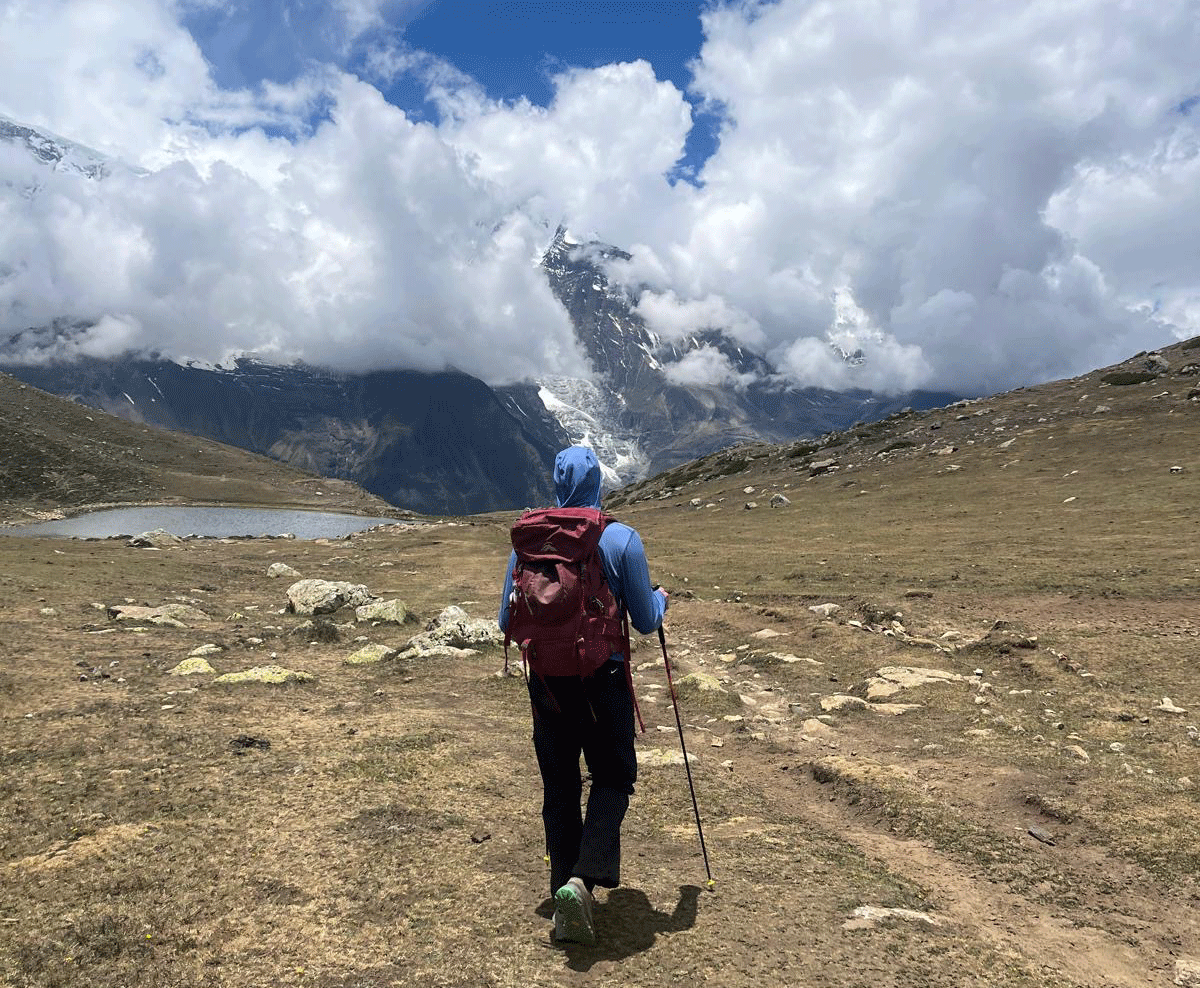
The fifth day of the trek is reserved for acclimatization. This day helps your body adjust to air pressure and climate and helps prevent altitude sickness. Manang is a popular spot for tourists and trekkers. You can go sightseeing around the area. Here, you can find almost all kinds of supplies, medicine, gear, and food. If you want to enjoy nature, you can quickly hike to Gangapurna Lake for breathtaking views of the lake and the surrounding mountains, including Tilicho Peak and Gangapurna.

If you are into cultural exploration, you can visit the 500-year-old Braga Monastery or the revered Praken Gompa. Similarly, if you want a more challenging day hike, you can visit the stunning Ice Lake (Kicho Tal) at 4,600m. You can also make most of the day by attending the free daily altitude sickness talk at the Himalayan Rescue Association (HRA) clinic.

Manang
Day 06

Trek from Manang to Ledar

5 hours trek B.L.D 4200m/13780ft

After a rest day at Manang, you head towards Ledar today. You climb to an altitude of over 4,000m for the first time and enter the high-altitude alpine zone. The trek route features rocky, rugged paths and narrow trails, with some sections prone to sporadic landslides that require careful footing. After trekking for a few hours, you ascend to another Magar settlement in Tengi from Manang.

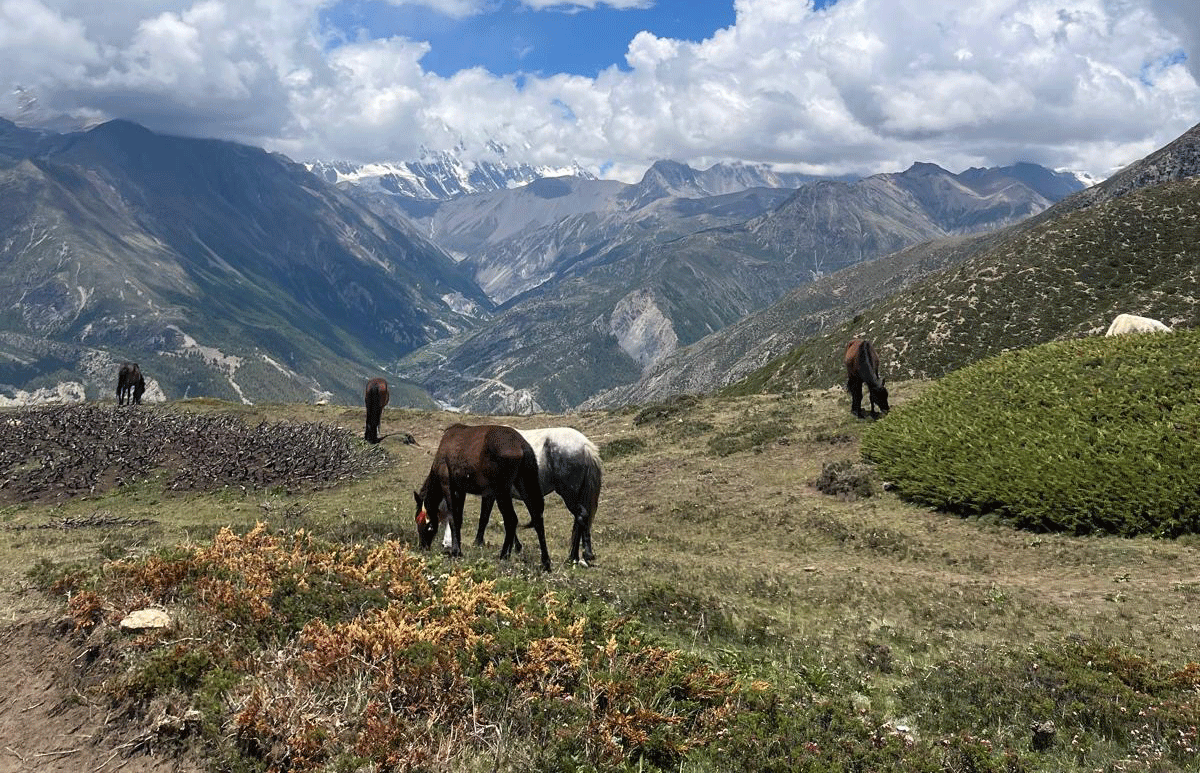
As you continue to ascend, you pass through the Marshyangdi Valley and then turn towards the Jarsang Khola Valley. The route continues through juniper scrubs, pine trees, and grassland meadows until you reach another small settlement, Ghusang. Finally, you will be close to the destination once you see Yak Kharka, where yaks and other local cattle are bought for grazing. As you pass through the meadow, you come across a wooden bridge. This bridge will lead you to Ledar.

Day 07

Trek from Ledar to High Camp

4 hours trek B.L.D Tea house 4925m/16158ft

Today, you trek from Ledar to Thorong High Camp (commonly called High Camp). The day starts with a gradual climb through a high-altitude, arid landscape. After trekking for an hour, you reach Thorong Phedi, where you can stop for lunch. Here, you can taste local delicacies such as apple pie and Marpha, a local wine.

After Phedi, the trail becomes significantly steeper. You gain over 350-400m to reach the High Camp. The camp area is exposed and often windy, but the shared anticipation of crossing the pass the next day creates a lively atmosphere. This section from Ledar to High Camp is very crowded. Many trekkers visit the high camp for stunning views and a little relaxation. Overnight stay at Highcamp.

Day 08

Trek from High Camp to Thorong La Pass. Then, to Muktinath

9 hours trek B.L.D Tea house 5416m/17769ft

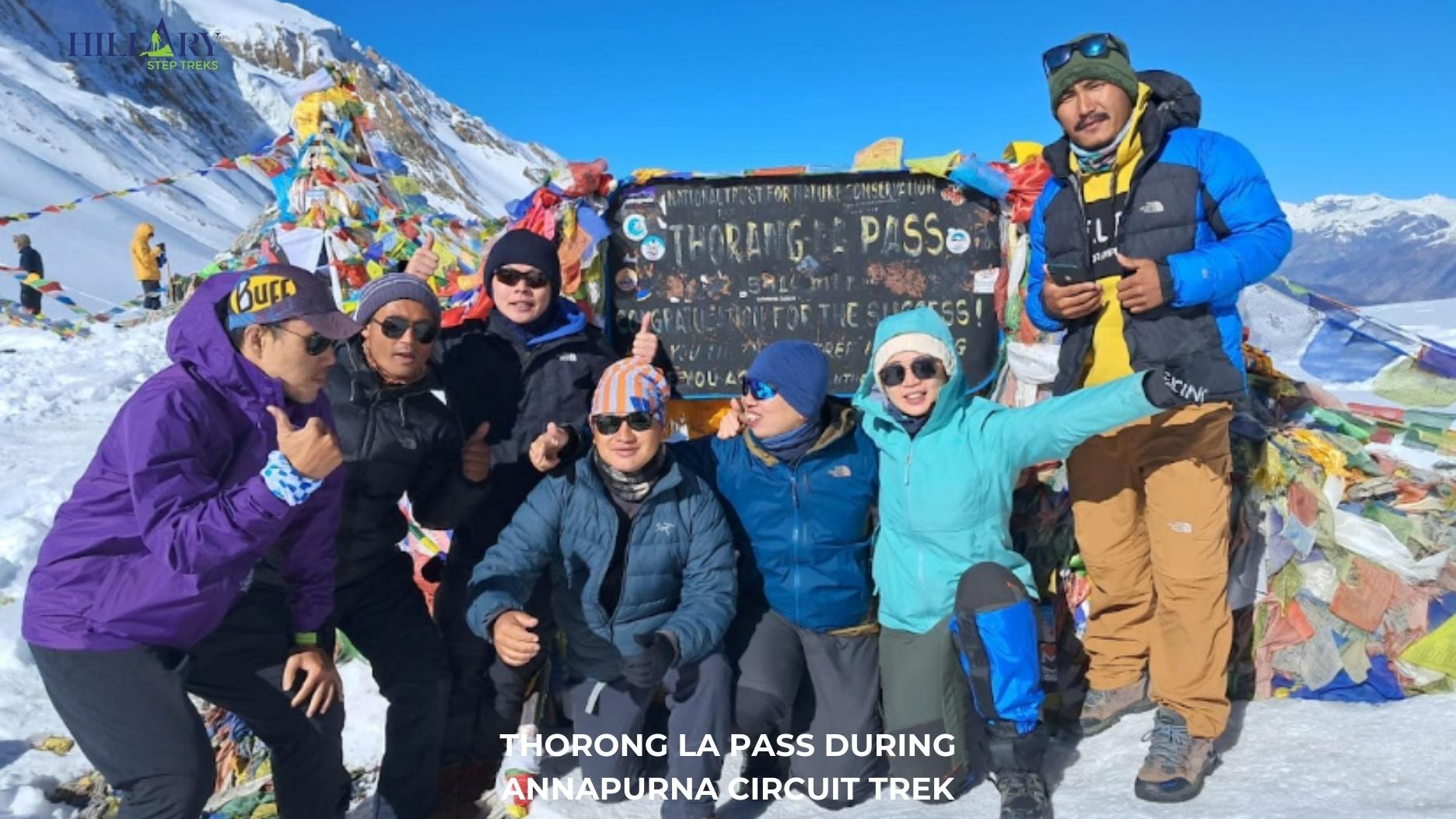
The eighth day of your Short Annapurna Circuit Trek is very special. It is because today, you reach Thorong La Pass, the highest elevation of your trek at 5,416m. To get there, you wake up early, drink tea or coffee, or eat a light breakfast before moving early in the morning. The ascent to the pass is demanding and physically challenging. The path is mostly steep, with continuous climbing. It also involves numerous switchbacks over rocky, frozen, and often snow-covered terrain.

After the successful ascent, you can take a break at the pass and enjoy the views. You may stop at the local teahouse for a cup of tea. After that, it’s time to move on as you descend the trails from the other side of the pass. You reach Muktinath (3,800-3,900m) in about 2-3 hours. It is a sacred place for both Hindus and Buddhists. After worshiping at the temple, you descend the trail and stay in the local lodge.

trekkers at thorong la pass
Day 09

Drive to Pokhara by Bus from Muktinath

9 hours trek B.L.D Tea house 820m/2690ft

After Muktinath, your trek is coming to an end. Have breakfast in Muktinath’s cold morning and cherish your time at the mountain because soon, you head towards Pokhara by either a tourist or a local bus, depending on your arrangement.

You reach Pokhara after 8-9 hours of driving, passing through lush forests, grassy midlands, barren meadows, and blooming flowering trails. After reaching Pokhara, you can spend time across the beautiful lakeside and even consider boating there. You can also go shopping and buy local products to take as a souvenir. Return to your hotel and stay overnight.

Day 10

Drive from Pokhara to Kathmandu by Tourist Bus

8 hours trek B.L.D Tea house 1400m

Today is the official last day of your Short Annapurna Circuit Trek. You have breakfast early in the morning and board a tourist bus to reach Kathmandu from Pokhara. As you’re traveling from Pokhara to Kathmandu one last time, it is an excellent opportunity to enjoy the beautiful rural scenery of Nepal.

Once you arrive in the capital, you’ll be taken to your hotel, where you can relax and freshen up before heading to the airport for your flight home. If your flight is tomorrow, you can rest at your hotel and start packing. Alternatively, you can visit UNESCO World Heritage sites and conclude your trek on a significant note.

Drive from Kathmandu

Accommodation

  • One Night Hotel in Pokhara (Hotel Splendid View) on b/b plan.
  • 8 Nights Lodge Accommodation during the trek (Twin sharing basis)

Foods and Meals

  • All standard meals (Lunch, Dinner & Breakfasts/The main course) during the trek.
  • Farewell dinner in Kathmandu

Transportation

  • Drive by local bus from Kathmandu to Besisahar to Chame and Muktinath to Pokhara.
  • Pokhara to Kathmandu by tourist bus

Extra

  • A government-licensed experienced trek Guide and porter will help with the trekkers’ luggage (two trekkers will share one porter, and the luggage weight limit is 10 kg per trekker).
  • Guides and porter’s meals, insurance, salary, lodging, transportation, and other necessary equipment
  • Annapurna Conservation Area Permit (ACAP) fee
  • Seasonal fresh fruits
  • All government, local taxes, and official expenses
  • Souvenir – Hillary Step Treks T-shirt & warm head
  • Duffel bag (return after trek)

Not Included

  • International Airfare
  • Nepal entry visa fees at Tribhuvan International Airport- (15 days – $30, 30 days- $50 and 90 days- $125)
  • All accommodations and meals in Kathmandu, before and after we start the journey
  • Lunch and dinner in Pokhara
  • Extra night accommodation and meals in Kathmandu and Pokhara due to early arrival, late departure, or early return from the trek
  • Personal expenses – shopping, snacks, bottled or boiled water, hot drinks (tea, coffee), cold drinks, alcoholic drinks, shower, Wi-Fi, laundry, telephone call, battery recharge fee, extra porters, etc.
  • Personal gear
  • Travel insurance which has to cover emergency high-altitude rescue and evacuation
  • Tips for guides and porters

Who is the Short Annapurna Circuit Trek for?

The Short Annapurna Circuit Trek is not a relaxed alternative to the classic route. It is a faster, more intense version designed for people who want the same high-altitude experience in fewer days.

Less Flexible Time Schedule

If your time off is limited but your ambition is not, this trek is a perfect fit. You follow the same iconic route as the classic Annapurna Circuit, including Thorong La Pass and Muktinath, but at a higher pace. By skipping lower, road-accessible sections, you achieve more in fewer days. The itinerary stays compact, making each day more demanding and turning time pressure into an added layer of adventure.

Adventure, Challenge, and Thrill Seekers

This version amplifies the intensity. Altitude gain is faster as you start straight from Chame. There are fewer easy days as you get to the high Himalaya sooner. The compact schedule, long climbing days, and rapid transition into alpine terrain create a raw, high-adrenaline trekking experience. If you enjoy pushing limits and want the Annapurna Circuit to feel sharper and more thrilling, this is the version that delivers.

Fit and Active People

Even though the altitude gain and route are the same, you reach the higher sections faster than the classic Annapurna Circuit. This may not be suitable for beginner trekkers with no prior high-altitude experience. With only one main acclimatization stop in Manang, long uphill days, thinner air, and fewer recovery intervals, you need strong physical fitness, mental resilience, and steady acclimatization.

A Budget Alternative to ACT

Cost-wise, the Short Annapurna Circuit Trek is a cost-effective option. Fewer days on the trail mean lower overall expenses for accommodation, meals, guides, and porters. You still experience the most thrilling and adventurous sections of the circuit, including the high pass and iconic landscapes, without the financial commitment of a longer or luxury ACT variant like Annapurna Circuit Trek with Tilicho Lake.

Solo Trekking and Guides for Short Annapurna Circuit Trek

Solo trekking used to be common in Nepal, but under the current 2025 regulations, you must trek the Annapurna Circuit with a government-authorized licensed guide. You can still travel solo in the sense of not joining a group, but you are no longer allowed to trek completely alone. This rule is especially relevant for the Short Annapurna Circuit Trek, where the itinerary is faster, days are longer, and decisions in high terrain matter more. Having a licensed guide ensures you move efficiently and safely through demanding sections without slowing the pace.

The Nepal Tourism Board introduced this requirement primarily for safety. High altitude, rapid elevation gain, and unpredictable mountain weather increase the risk of altitude sickness and route-related accidents. On the short variant, acclimatization time is limited, so a guide actively monitors your condition. They can adjust your pace as needed and respond quickly if symptoms arise. This added layer of supervision becomes critical when you are pushing higher in fewer days.

Your guide also manages logistics that can easily disrupt a condensed itinerary. They handle permit checks, guide you through landslide-prone and less obvious trail sections, and coordinate emergency support if required. For a trek that focuses on efficiency, hiring a licensed guide is important if you want the trek to be safe, smooth, and achievable.

Permit and Document Requirements for Short Annapurna Circuit Trek

To do the Short Annapurna Circuit Trek, you just need to obtain one permit: the Annapurna Conservation Area Permit (ACAP). TIMS is no longer required for this trek. The ACAP fee supports conservation programs, trail maintenance, and local community development within the Annapurna Conservation Area.

Cost:

  • Foreign nationals (non-SAARC): NPR 3,000 (approximately USD 25-30)
  • SAARC nationals (including India and Bangladesh): NPR 1,000 (approximately USD 8-10)
  • Nepali citizens: Free, but registration is required

Where to get it: You can obtain the ACAP at Nepal Tourism Board offices in Kathmandu (Bhrikutimandap) or Pokhara (Damside).

Important note: If you try to get the permit at a trail checkpoint such as Besisahar, authorities charge a double fee, so it is best to arrange it in advance.

Documents Required

When applying for your ACAP permit in person, you need to prepare the following:

  • Original passport with a valid Nepal visa covering the full trek duration
  • One photocopy of the passport information page
  • Two recent passport-sized photographs
  • Completed the ACAP application form, available at the permit office
  • Proof of a hired, licensed guide
  • Cash in Nepalese rupees, as card payments are not always accepted
  • A simple trek itinerary with entry and exit points and intended dates

While it is not mandatory, you should also carry comprehensive travel insurance that covers high-altitude trekking and emergency helicopter evacuation. So in case you fall ill, you can be evacuated as soon as possible on the Short Annapurna Circuit Trek.

Manang as the Core Acclimatization Stop

On day 5 of the Short Annapurna Circuit Trek, you spend a full day in Manang as the single planned pause in an otherwise fast-moving itinerary. The village is the last major settlement before the route transitions to higher, more exposed terrain toward the Thorong La Pass. Thus, the stay here helps you adjust to a higher altitude, especially because you start from 2,710m in Chame.

From a safety and performance perspective, this stop is critical in preparing your body for the most demanding section of the trek. The acclimatization hikes and an extra night here support adaptation to reduced oxygen levels. As a result, you minimize the risk of altitude sickness. This keeps the itinerary efficient without compromising safety or control.

Here are some tips to follow during your stay in Manang:

  • Take a short acclimatization hike and return to sleep in Manang.
  • Drink 3 to 4 liters of water daily, including warm fluids.
  • Eat regular, carbohydrate-rich meals for energy.
  • Walk slowly, breathe steadily, and avoid overexertion.
  • Avoid alcohol and smoking completely.
  • Stay warm and get enough rest.
  • Watch for headache, nausea, or dizziness and inform your guide immediately if symptoms appear.

How Far and High will you Reach During the Short Annapurna Circuit Trek

The actual Short Annapurna Circuit trip starts after traveling overland from the capital valley through Besisahar. You drive along the Marshyangdi corridor to riverside town, Chame, known for hot springs and close-up views of Lamjung Himal and Annapurna II. From here, each day builds progressively in both altitude and challenge. You move from Chame to Upper Pisang, take the high route to Manang, then continue toward Ledar and High Camp at 4,900m.

The route reaches its highest point at Thorong La Pass (5,416m). Then it descends into the Mustang region and ends at the sacred village of Muktinath, which lies around 3,760m. From Muktinath, the road reconnects you to lower elevations and you drive to the city of Pokhara at about 820m. This steady ascent and descent delivers the classic Annapurna Circuit elevation profile in fewer days without skipping the most critical sections.

Day Route Distance Overnight Elevation
1 Kathmandu – Besisahar 140km 760m
2 Besisahar – Chame 65km 2,710m
3 Chame – Upper Pisang 10km 3,300m
4 Upper Pisang – Manang via Nyawal 15km 3,540m
5 Acclimatization Day at Manang (short hikes) 5km 3,540m
6 Manang – Ledar 12km 4,200m
7 Ledar – High Camp 10km 4,925m
8 High Camp – Thorong La Pass – Muktinath 15km 3,760m
9 Muktinath – Pokhara 200km 820m
10 Pokhara – Kathmandu 200km 1,400m

How Challenging can the Short Annapurna Circuit Trek get?

The Annapurna Circuit is already a tough journey, and the Short ACT makes it even more intense. You skip the lower foothills by road transport and move straight into high-altitude alpine terrain. You tackle steep climbs and thin air from the first days. Thus, the trek demands more cardiovascular strength, leg endurance, and mental focus right away.

Additionally, the acclimatization window is shorter. You reach Manang at 3,540m faster than on the classic route, giving your body less time to adapt to lower oxygen levels. This raises the risk of Acute Mountain Sickness (AMS) and makes physical fitness and mental resilience essential. Therefore, the Short ACT is less about pacing yourself and more about a high-stakes, adrenaline-filled sprint to cross Thorong La Pass safely.

Best Seasons for Short Annapurna Circuit Trek 10 Days

The Short Annapurna Circuit Trek can be done year-round, but spring (March-May) and autumn (September-November) are the best seasons. Spring brings daytime temperatures of 10°C-20°C in lower regions like Besisahar and Chame, and 5°C-12°C in Manang (3,540 m), with nights below freezing. Autumn offers similar conditions, with 8°C-18°C in the valleys and 0°C-10°C higher up. Trails are mostly dry, skies are clear, and visibility is excellent for views of Annapurna and Dhaulagiri. Spring also features blooming rhododendrons, while autumn provides crisp air and sharp mountain clarity after the monsoon.

In contrast, Monsoon (June-August) and winter (December-February) are less suitable. During the monsoon, heavy rain makes lower trails muddy and slippery, with daytime temps of 15°C-25°C. To add, landslides can block paths. Similarly, winter brings harsh cold to Manang and Yak Kharka. Here, daytime temperatures fall below 0°C, and nights drop to -15°C or lower. It also brings snowfall to Thorong La Pass (5,416m), increasing avalanche risk and potentially temporarily closing the pass. Thus, these seasons pose higher risks for a short, fixed-schedule trek.

Comparison: Short Annapurna Circuit Trek Vs. Annapurna Circuit Trek

Not sure whether to choose the 10-day Annapurna Circuit Trek or the Classic 20-day Annapurna Circuit Trek? While both itineraries cross the iconic Thorong La Pass, they differ significantly in duration, pace, and overall experience. Here’s a comparison table below to help you quickly decide which option suits your fitness level, schedule, and trekking goals.

Key Factors Short Annapurna Circuit Trek Classic Annapurna Circuit Trek
Total Duration 10 days with limited buffer time 20 days with flexible pacing
Starting Point Chame (drive from Besisahar, skips lower trail) Besisahar / Bhulbhule (trek from low elevation)
Ending Point Muktinath after crossing Thorong La Pass Jhinu Danda or Syomrong via lower Annapurna
Pace of Trek Fast-paced and physically demanding Slow, steady, and more relaxed
Acclimatization One acclimatization day in Manang One acclimatization day in Manang, but a gradual approach
Altitude Risk (AMS) Higher risk due to rapid elevation gain Lower risk due to longer ascent profile
Physical Requirement Requires strong fitness and prior trekking experience Suitable for fit beginners with endurance
Overall Experience Focused on high-altitude and mountain highlights Complete circuit with cultural and landscape diversity

Packing Essentials for Short ACT

Clothing

  • Base Layers: Thermal tops and bottoms (merino wool/synthetic).
  • Mid Layers: Long-sleeved trekking shirts and a fleece/pullover.
  • Outer Layers: Insulated down jacket, waterproof/windproof shell jacket, and rain pants.
  • Bottoms: 2 pairs of trekking trousers.
  • Essentials: Multiple pairs of trekking socks, underwear, warm gloves/mittens, warm hat/beanie, sun hat, and neck gaiter/Buff.

Footwear

  • Hiking Boots: Sturdy, waterproof, broken-in boots with ankle support.
  • Camp Shoes: Lightweight shoes or sandals for teahouses.

Gear and Equipment

  • Duffel Bag and Daypack: For main luggage and daily essentials.
  • Sleeping Bag: Rated to at least -10°C (14°F).
  • Trekking Poles: Highly recommended for stability.
  • Trekking Map: Digital and physical copy of trek map
  • Headlamp: With spare batteries.
  • Sunglasses: High UV protection (Category 3 or 4).
  • Water Storage: Water bottles/hydration bladder (at least 2L capacity).
  • Power Bank: For charging devices.

Health, Hygiene, and Documents

  • Personal First-Aid Kit: Blister care, pain meds, personal prescriptions.
  • Water Purification: Tablets, drops, or a filter system.
  • Sun Protection: High SPF sunscreen and lip balm.
  • Toiletries: Biodegradable soap, toothbrush, small towel, toilet paper.
  • Documents: Passport, permits (ACAP), cash (NPR), and insurance info stored securely in a waterproof bag.

Short Annapurna Circuit Trek Map

Short Annapurna Circuit Trek 10 Days map link
Download map

Book the Dates
upcoming fixed departures

Short Annapurna Circuit Trek

Start: Tue, Jan 06
End: Thu, Jan 15

Trip Status: Booking Open
USD $950/per person

Group Size: 18 Pax
Remaining Spot: 18 Pax

Save USD $950 - 100.00% off
Deals end in 0h 0m 0s

Start: Tue, Jan 13
End: Thu, Jan 22

Trip Status: Booking Open
USD $950/per person

Group Size: 18 Pax
Remaining Spot: 18 Pax

Save USD $950 - 100.00% off
Deals end in 0h 0m 0s

Start: Tue, Jan 20
End: Thu, Jan 29

Trip Status: Booking Open
USD $950/per person

Group Size: 18 Pax
Remaining Spot: 18 Pax

Save USD $950 - 100.00% off
Deals end in 0h 0m 0s

Start: Tue, Jan 27
End: Thu, Feb 05

Trip Status: Booking Open
USD $950/per person

Group Size: 18 Pax
Remaining Spot: 18 Pax

Save USD $950 - 100.00% off
Deals end in 0h 0m 0s

Frequently Asked Questions

Short Annapurna Circuit Trek Review

View all Reviews Write a review
This field is for validation purposes and should be left unchanged.

Review Trip

Max. file size: 2 MB.
Similar Trips
Upper Mustang Tiji Festival Jeep Tour

Moderate

12

Days

$2,100

Starting from

Upper Mustang Tiji Festival Jeep Tour
View Trip Itinerary
Trip Link
Annapurna Base Camp Trek : 5 Days Short Trek

Moderate

5

Days

$595

Starting from

Annapurna Base Camp Short Trek
View Trip Itinerary
Trip Link
Kanchenjunga Trek

Moderate

22

Days

$2,280

Starting from

Kanchenjunga Trek
View Trip Itinerary
Trip Link
View sticky info

Starting Price
USD 950 per person

Private Group Discount Cost
Person(s) Price per Person
1 Pax USD 950
2 Paxes USD 685
3 Paxes USD 665
4 - 6 Paxes USD 635
7 - 12 Paxes USD 605
13 - 18 Paxes USD 550
This field is for validation purposes and should be left unchanged.

Trip Inquiry

MM slash DD slash YYYY
trekking inquire
Planning Your Journey to Nepal?

Discover the essential travel requirements for Nepal, including visa procedures, current travel restrictions, and health and safety guidelines. Our travel expert will guide you through the latest entry requirements based on your departure country and passport, ensuring you’re prepared for your Himalayan adventure.

Book a free Consultation Call