
Everyone knows Mount Everest is the highest mountain in the world, but do you really know where Everest is located and what makes it so legendary? Most people picture a white peak “somewhere in the Himalayas,”. Everest actually sits right on the border between Nepal and Tibet (an autonomous region of China). This unique position makes Everest more than a natural giant. It’s a cultural crossroads that connects two nations through shared faith and unique local stories.
Many people who dream of trekking to Everest or reaching its summit want to know where exactly it is located. To help clear up any confusion, we’ve put together this blog to explain the exact location of Mount Everest. You’ll also find helpful details on how to reach Mount Everest Base Camp and its summit, and the cultural landscape of the Everest region. Knowing exactly where Mount Everest is located helps you appreciate not just its height. You understand its deep connection to the people who call its slopes home.
Table of Contents
Geographical Location of Everest
Mount Everest rises at the heart of the vast Himalayan mountain range, which spans around 2,400km across five countries: Nepal, Tibet (China), India, Bhutan, and Pakistan. The summit itself lies precisely on the China-Nepal border. Thus, the mountain can be seen from both sides. This means that the Everest expedition and climbing can also be done from both the Nepal and Tibet sides of Everest Base Camp.
Where Exactly is Mount Everest Located?
Mount Everest lies on the border between Nepal and Tibet. It is part of the Mahalangur Range, which stretches across the Tibetan Plateau, also called Qing Zang Gaoyuan. On the Nepal side, Everest lies within Sagarmatha National Park in the Solukhumbu district.
Geographically, its coordinates are latitude 27.9881° N and longitude 86.9250° E. In 2020, Nepal and China jointly confirmed the exact height of Everest at 8,848.86m (29,031.7ft), making it officially the tallest mountain on Earth. In Nepal, locals call it Sagarmatha (सगरमाथा), meaning “Head of the Sky,”. Similarly, in Tibet, they call it Chomolungma (ཇོ་མོ་གླང་མ), meaning “Goddess Mother of the World.”
The mountain was later named “Everest” after Sir George Everest, the Surveyor General of India, whose surveying work helped map the region.

South vs. North Face
The southern side of Everest lies within the Khumbu region of Nepal. This route is famous worldwide, not only for its challenging climb but also for the vibrant Sherpa culture. You’ll pass through vibrant Sherpa villages like Namche Bazaar, dotted with monasteries and fluttering prayer flags. Edmund Hillary and Tenzing Norgay climbed Mount Everest in 1953 from the south route and became the first confirmed climbers to reach the top of Mount Everest. Many people summit Mount Everest from the south side.
On the other hand, the northern side of the mountain lies in the Tibet Autonomous Region of China, in Tingri County. The northern route is harsher and more remote. It is accessible by road, but Chinese authorities strictly control permits. This route offers rugged, windswept terrain and a different cultural backdrop rooted in Tibetan traditions. The northern Base Camp sits at about 5,150m and serves as a dramatic gateway for Everest climbers. However, the ascent from this side is considered more technically challenging.
How to Reach Mount Everest
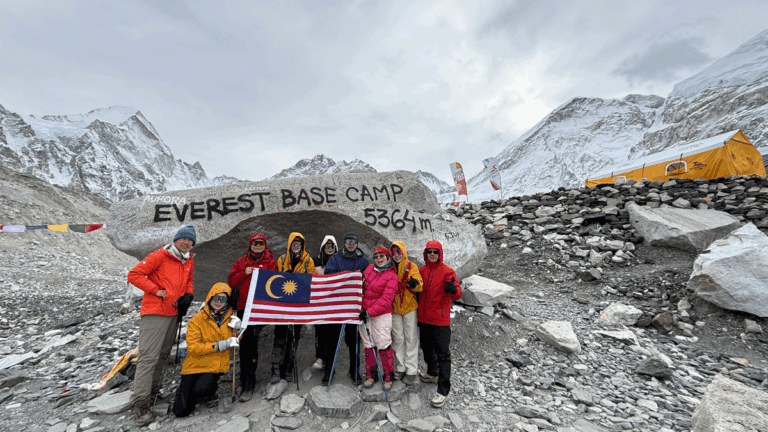
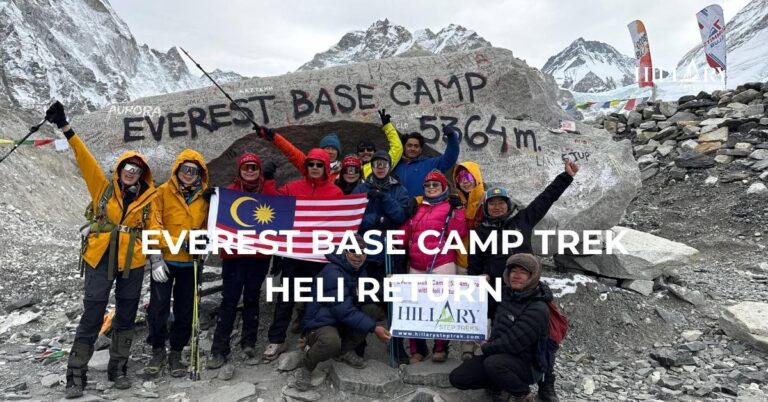
There are two base camps at Everest : South EBC( 5,364m) and North EBC(5,150m). The south base camp lies in Nepal, and the north base camp lies in Tibet. So, Everest can be climbed from both Tibet and Nepal.
Trek the Legendary Trail to Base Camp via Nepal
Most travelers begin their Everest adventure by flying into Kathmandu, Nepal. Then, they take a thrilling flight to Lukla. In busier seasons, trekkers can also opt for an alternative: drive from Kathmandu to Ramechhap, then take a Lukla flight from there. Home to the world’s most famous mountain airstrip, Lukla is the starting point of all Everest treks.
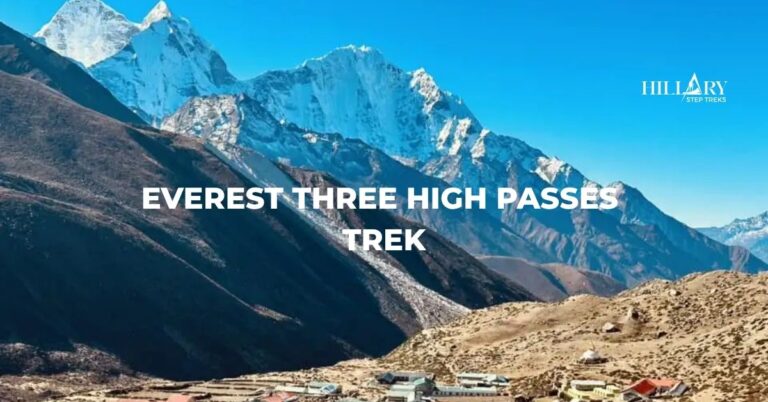
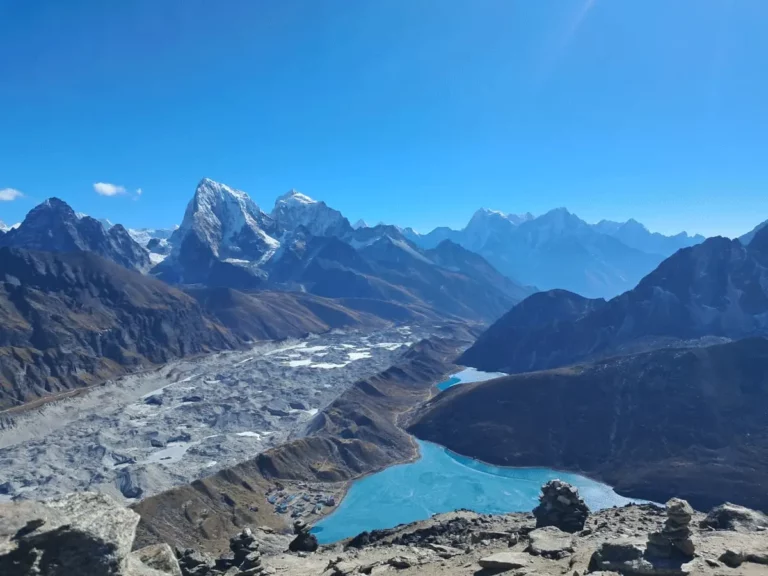
The classic Everest Trek winds through mountainside Sherpa villages like Phakding, Namche Bazaar, Tengboche, Dingboche, Lobuche, and Gorakshep, ending at South Base Camp (5,364 m). You can also explore side Everest Region Treks, such as the Gokyo Lakes or the Three Passes. The side expeditions make the trek longer and more challenging, but they also enrich the journey to Everest Base Camp.
Relevant Trips
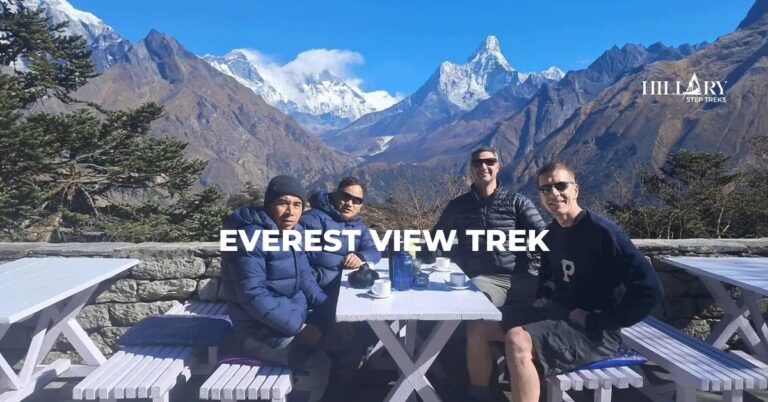
At Hillary Step Treks, we have the following trekking options for the Everest Base Camp trek from Nepal:
Scenic Drive to the Roof of the World via Tibet
If you’re looking for a high-altitude experience without the long trekking days, the northern route to Everest Base Camp in Tibet is a great alternative. You need to fly into Lhasa and then take an overland journey across the vast Tibetan Plateau. Eventually, you’ll reach the North Base Camp at around 5,150m above sea level.
While this side lacks the trekking culture and teahouse charm of the Nepal route, it rewards visitors with a surreal mountain panorama. You can view the sweeping barren highlands and a deeper, more authentic look into Tibetan landscapes and Buddhist heritage. This high-wind route is wild, far more rugged than the bustling trails of Khumbu. Here, the journey to the peak of Everest is more about the drive than the hike. It could be a better option for those who want to witness Everest up close without committing to a physically demanding trek.

To sum up, it’s a road trip to the top of the world, great for the bold and curious, but not a traditional trekker’s route. However, keep in mind that travel here is tightly controlled by Chinese authorities. Trekkers and climbers must arrange permits well in advance. Failing to do so may result in denied entry, heavy fines, deportation, or even being blacklisted from future travel to China.
Everest Base Camp vs. Everest Summit
When people say they’re going on a “Mount Everest adventure,” they usually mean the Everest Base Camp (EBC), not the summit of Mount Everest. And that’s perfectly normal. Fact-wise, only 1% of the visitors climb Mount Everest. The rest go to the base camp.
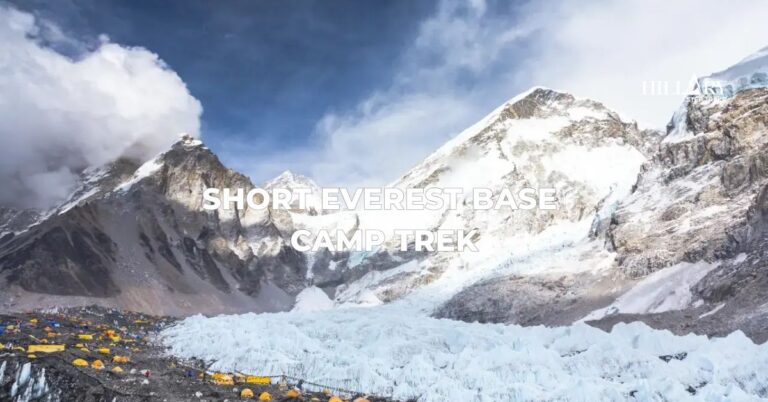
Everest Base Camp serves as the launch pad and resting spot for real summit expeditions. But for most travelers, they are the destination. In South Base Camp, you’ll get up-close views of the massive Khumbu Glacier, Everest, and the surrounding peaks. Trekking to Everest base camp itself is a journey. Passing by glaciers and Sherpa villages, visiting monasteries, spinning prayer wheels, talking to locals, and fellow trekkers is a unique experience. Nevertheless, they don’t match the thrill of standing beneath the highest peak on Earth.
Now, the summit is a whole other level of challenge. At the elevation of Mount Everest, even one slip is deadly. Climbing to the summit of Everest requires serious mountaineering skills, excellent fitness, and acclimatization at base camp for weeks to get used to the altitude. Additionally, it also requires a huge budget, at least USD 40,000 to USD 100,000. It’s not for most people. Only around 700 climbers reach the summit each year.
So if you’re aiming for the Base Camp, know this: you’re already part of an elite adventure. It’s not “just the base.” It’s an iconic journey, where the Himalayas welcome dreamers, doers, and legends-in-the-making.
Relevant Trips
 USD 150 OFF
What Surrounds Everest?
Mt Everest is surrounded by mountains that stretch as wide as the endless skyline around Everest. They share a common history and glory since the collision of tectonic plates. There are also smaller peaks here and there in the Khumbu region, less famous but still significant for spiritual, cultural, practical, and research reasons.
The Khumbu Region
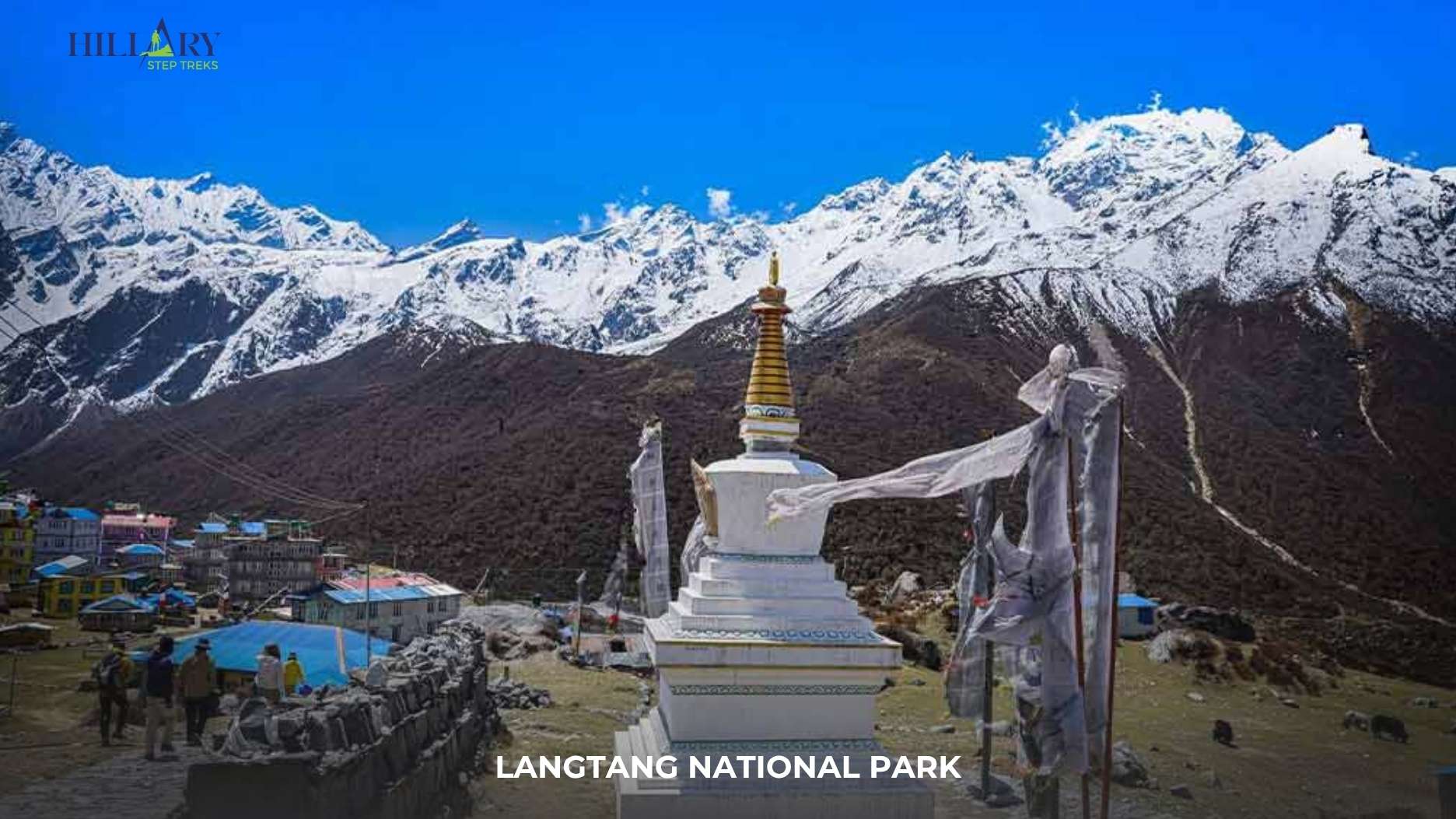
The Khumbu Region lies in the Solukhumbu District of Nepal. It is a high-altitude zone, the gateway to the iconic Mount Everest. It lies within Sagarmatha National Park, a UNESCO World Heritage Site since 1979. The park is famous for its staggering mountainous beauty and biological diversity.
This region starts at Lukla at 2,600m high. As you hike up, the landscape keeps changing. First, you’ll see tall pine trees, then rhododendron forests will frame the paths. Higher up, Sherpa villages like Namche and Gokyo come into view between 3,400m and 4,800m. After that, the trees disappear, and you’ll only see bushes and rocks, with patches of snow at higher spots. Then, the trail climbs over 5,600m in the Kongma La and Renjo La passes. Beyond these passes, you enter deeper into the Everest region, where the glaciers, icefalls, and towering peaks await you.

The major highlights of the Khumbu region are the magnificent chain of Gokyo Lakes, the peaceful Imja Valley, and the infamous Khumbu Icefall, which stretches about 1.5km. Sherpa villages like Namche Bazaar, Tengboche, and Lobuche pulse with tradition, offering glimpses into mountain life at near the top of the world.
Famous Neighboring Peaks
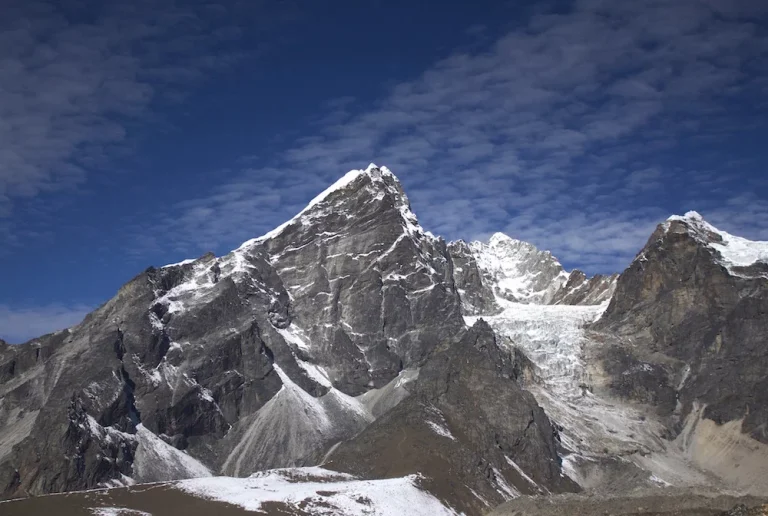
Mount Everest isn’t the only mountain in the Everest region. There are probably 50+ mountains over 6,000m. Among them, Lhotse (8,516m) is the closest to Everest. It also ranks as the 4th-highest mountain in the world and shares around 3/4 of the climbing route. Nearby, there is Nuptse (7,861m), a natural guard of the Khumbu Valley in the West. In the East, you can view the sharp Ama Dablam (6,812m), also called the “Matterhorn of the Himalayas”.
Besides them, Cho Oyu (8,188m), Pumori (7,161m), Baruntse (7,129m), Ama Dablam (6,812m), Thamserku (6,608m), Cholatse (6,440m), Island Peak (6,189m), and Lobuche East (6,119m) also surround Mount Everest. In the peak climbing season, adventurers test their skills in Lobuche and Island Peak before committing to the expedition to Everest.
Peak Climbing Adventure with Everest Base Camp Experience

Cultural Landscape of Everest Region
The Everest region is equally rich in culture. It is a blend of ancient Sherpa culture, who have a deep-rooted Buddhist tradition. Sherpa people have lived above 3,000m for centuries and adapted to the harsh Himalayan environment, which has shaped their daily life and occupation. This region brings spiritual rituals and daily survival together beneath the world’s highest peaks.
Spirit and Resilience of the Sherpa People
Most trekkers think the word “Sherpa” means helper or porter, but in reality, it refers to an indigenous Tibetan-Buddhist community from Nepal. They migrated from eastern Tibet about 500 years ago, bringing traditions and a deep bond with the mountains. Known for their strength and high-altitude skills, the Sherpas have shaped mountaineering. Many Sherpas have climbed Everest besides Tenzing Norgay. Apa Sherpa has summited Everest 21 times. Other notable Sherpas are: Ang Rita Sherpa, Lhakpa Sherpa, Pasang Dawa Sherpa, and today’s record-holder Kami Rita Sherpa (31 summits as of May 2025). Even the average Sherpa’s skill and resilience are just as unmatched.

They live along the Everest Base Camp trail’s villages, embracing the cold weather. Besides Namche Bazaar, all other villages are traditional. Local people there make their living through farming, yak herding, and guiding trekkers and climbers. They are a spiritual community. You can witness prayer flags, prayer wheels, mani walls, and chortens all over the region. They celebrate Gyalpo Lhosar and Mani Rimdu, with prayers, dances, and fun.
They are the true heroes who lead climbers to the summit. Yet their stories often remain in the shadows while others claim the spotlight. Their strength, resilience, and humility are admirable.
Tengboche Monastery, Heart of Khumbu
Tengboche Monastery lies at 3,867m in the midst of giants. It offers breathtaking views of Everest, Lhotse, Ama Dablam, Kangtega, and Thamserku forming a near-perfect ring. This view is known as the “Five-Peak Mandala.” It was built in 1916. The monastery then burned down twice in 1934 and again in 1989. However, the local Sherpas themselves carried stones and wood up the trail and rebuilt it.

At present, it serves as a place of prayer and blessings, and the stop for the world’s highest marathon, the Everest Marathon, every May. Inside, ancient Buddhist texts are carefully preserved and only revealed on special holy days. Monks gather daily for chanting ceremonies and rituals. The site is eco-friendly, with rules against plastic and efforts to plant trees around it.
You’ve Found Everest. Now Go Experience It.
Now that you know the location of Mount Everest, it’s time to experience it for real. Get out there, it’s your time to feel the crunch of gravel beneath your boots. Whether you choose a gentle Everest Base Camp trek package, the challenging Three Passes, or a cultural route through Tibet, it’ll always be worth it. The energy of ancient villages, the flutter of prayer flags, and the sheer power of the world’s tallest peak and Sherpa life will definitely change your view of life.
If you’re excited to see Everest in real life, feel free to contact us. We’re here to help you choose the best trek to Everest and make your journey unforgettable.