The troubles are over, and the country is safe again. Look at this video to see how kindly tourist buses were treated even during the protest.

Plan Your Trip

Manaslu Circuit Trek Route Map

If you’re planning the Manaslu region adventure on your own or with a group, the Manaslu Circuit trek map is a must-have tool. The map of the Manaslu Circuit trek helps you understand the entire trekking route, from the starting point to the finish. It includes daily stops, major villages, and notable landmarks like Lho, Samagaun, and the Larkye La Pass.

This page provides a full overview and daily elevation details to help you understand your journey clearly and prepare better. You’ll also find an itinerary layout, alternative trail options for side hikes, and key highlights like Mount Manaslu (8,163 m) – the eighth highest peak in the world and Lho Monastery along the way. Whether you’re a self-guided trekker or someone planning for future adventure in this region, these detailed resources give you full control and confidence for the Manaslu Circuit Trek. Every detail is presented in a simple format so you can plan each day with ease.

Route Breakdown of the Manaslu Circuit Trek

Day 1–3: Soti Khola to Jagat

As shown in Manaslu trek map, your Manaslu Circuit journey begins with a scenic drive from Kathmandu to Soti Khola (710 m), followed by a short walk to settle into the trail. On the first day, you’ll hike around 8–9 km for about 5 to 6 hours, ending the day in Machha Khola (870 m). It is a small village beside the Budhi Gandaki River. On a clear day, you may catch your first view of Shringi Himal (7,161 m) in the distance.

The next two days take you deeper into the Himalayan Manaslu region as you follow the river north. You’ll pass through several small villages like Khorlabesi (930 m), Tatopani (1,190), Dobhan (1,070 m), and Yaru Phat (1,170 m) before reaching Thulo Dhunga (1,250 m). Expect daily hikes of 5 to 6 hours, covering a total of about 22–24 km over these days. By Day 3, you’ll reach Jagat (1,340 m), a traditional stone village and the official checkpoint for entering the restricted Manaslu Conservation Area. Along the way, enjoy panoramic views of Ganesh Himal (7,422 m) and more glimpses of Shringi Himal.

Day 4–6: Deng to Samagaun (option: Manaslu Base Camp side trip)

From Jagat (1,340 m), the trail continues through Philim and Ekle Bhatti, gradually climbing to Deng (1,860 m) in about 6-7 hours. The next day, you’ll trek from Deng to Namrung (2,630 m) by passing through Bihi, Ghap, and Prok. It covers a total distance of around 19 km in 6 hours. Along the stretch, you’ll see gorgeous views of Shringi Himal, Ganesh Himal, and Mt. Himalchuli (7,893 m). Namrung is a small village with beautiful mountain views and Tibetan-style architecture.

From Namrung, the trail leads to Samagaun (3,530 m) via Lho and Shyala village, which covers around 17 km in 6-7 hours. This is one of the most scenic parts of the trek, with close-up views of Manaslu (8,163 m) and Ngadi Chuli (7,871 m). After reaching Samagaun, you’ll take a rest day or hike to Manaslu Base Camp (4,800 m) – a difficult but rewarding side trip that takes about 7-8 hours for a complete round trip.

Samagaon
Samagaon

Day 7–9: Samdo to Larkya La Pass and Bimthang

From Samagaun, the trek continues to Samdo (3,860 m). Samdo is a Tibetan-influenced village near the Nepal-Tibet border. The trail is about 8 km and takes around 3-4 hours. On the next day, you’ll hike from Samdo to Dharamsala (4,460 m), also called Larkya Phedi, in around 3-4 hours, covering 7 km. These two days are ideal for rest and acclimatization to adjust to rising altitude. 

Larkya La Pass
Larkya La Pass

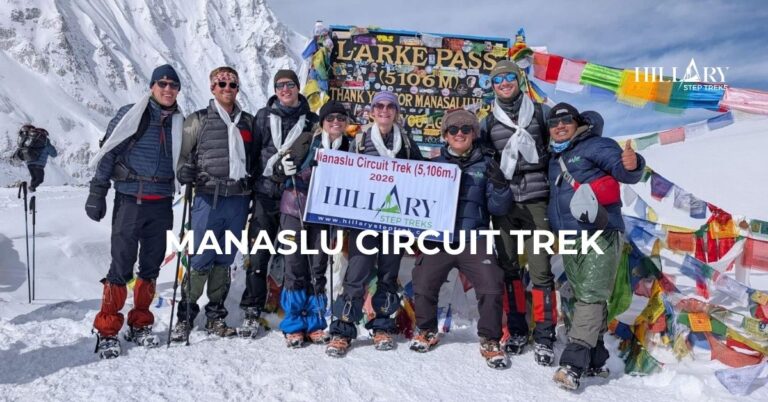
The next day is the longest and most challenging day of the trek. From Dharamsala, the trail heads towards Larkya Glacier and reaches Larkya La Pass (5,106 m)- the highest point of the journey. From the top, you’ll get wide, breathtaking views of Himlung Himal (7,126 m), Cheo Himal (6,820 m), Kangguru (6,981 m), and parts of the Annapurna range. After the pass, the trail descends through Tanbuche, Paandorkharka, Dangboche Kharka, and finally Bhimthang (3,590 m). The full day covers around 24 km in 8-9 hours. 

Day 10–12: Bimthang to Dharapani

From Bhimthang, the trail descends through Kahrche, Yak Kharka, and Sangure Kharka, leading to Gho (2,515 m). The distance is about 13-14 km, and it takes around 5-6 hours. The landscapes start to change as you drop in elevation. Along the way, you can enjoy beautiful views of Mount Manaslu and Lamjung Himal (6,983 m) in the distance. The path crosses several wooden bridges and open fields as you head downwards.

The final step of the trek continues from Gho to Tilche (2,300 m), then downhill to Thonje, and finally ends at Dharapani (1,860 m). This walk takes about 5-6 hours over 15 km. You’ll see more farmlands, stone shouses, and enter the Annapurna Conservation Area at Dharapani. This section of the trek takes you from a quiet mountain village to a more active area, where your Manaslu Journey comes to an end. 

Elevation Profile of the Manaslu Circuit Trek

Major Trail Highlights

Every step along the Manaslu Circuit comes with something special, and you’ll be surprised every single time. One of the main highlights is Larkya La Pass (5,106 m), which is the highest point of the trek. It offers jaw-dropping views of Manaslu, Himalchuli, and Ngadi Chuli. Villages like Samagaun, Samdo, and Namrung aren’t just overnight spots; they’re full of culture, customs, and traditions. Along the way, Manaslu Base Camp and Pung Gyen Gompa offer an optional side trip for those who want more adventure.

But it’s not just the big names that stand out. Manaslu circuit trek map also marks some unique highlights like the Cantilever Bridge near Jagat, or the Shyala Village, famous for the viewpoint that offers 360° views of mountains and the village. Lho greets you with its monastery, and Bhimthang provides proper rest after the high pass. If you’re taking the Tsum Valley side trail, you’ll spot hidden gems like Mu Gompa, Chhukang Paro, and Chumling. These are the places that turn trial into natural paradise.

Alternate Routes You Can Take For the Manaslu Circuit Trek

Tsum Valley route

The Manaslu Tsum Valley trek is a culturally rich side route that can be added to your Manaslu Circuit journey. This alternative route starts from Philim (1,590 m) and takes you to the hidden village of Chumling, Chhokang Paro, and Nile, before reaching the Mu Gompa (3,700 m) near the Tibet border. These alternatives add 5-7 days to your itinerary and offer a chance to experience Buddhist culture, visit ancient monasteries, and enjoy gorgeous views of Ganesh Himal. After exploring Tsum Valley, you’ll return to Lokpa (2,040 m) and rejoin the Manaslu trail. 

tsum valley in autumn

Barpak–Laprak rural route 

The Barpak-Laprak rural route is a scenic and less-traveled alternative to start your classical Manaslu Circuit Trek. Instead of beginning from Soti Khola, this route starts from Barpak, passes through Gupsi Danda where you can witness Buddha Himal (6,692 m), and then descends to Laprak village. From Laprak, the trail continues to Singla, then heads down to Khorlabesi, where it joins the main Manaslu route. This path adds about 2 extra days to your trek. You can also combine it with the Tsum Valley trek for a longer and more cultural trekking experience. 

Alternative Exit via Annapurna Circuit

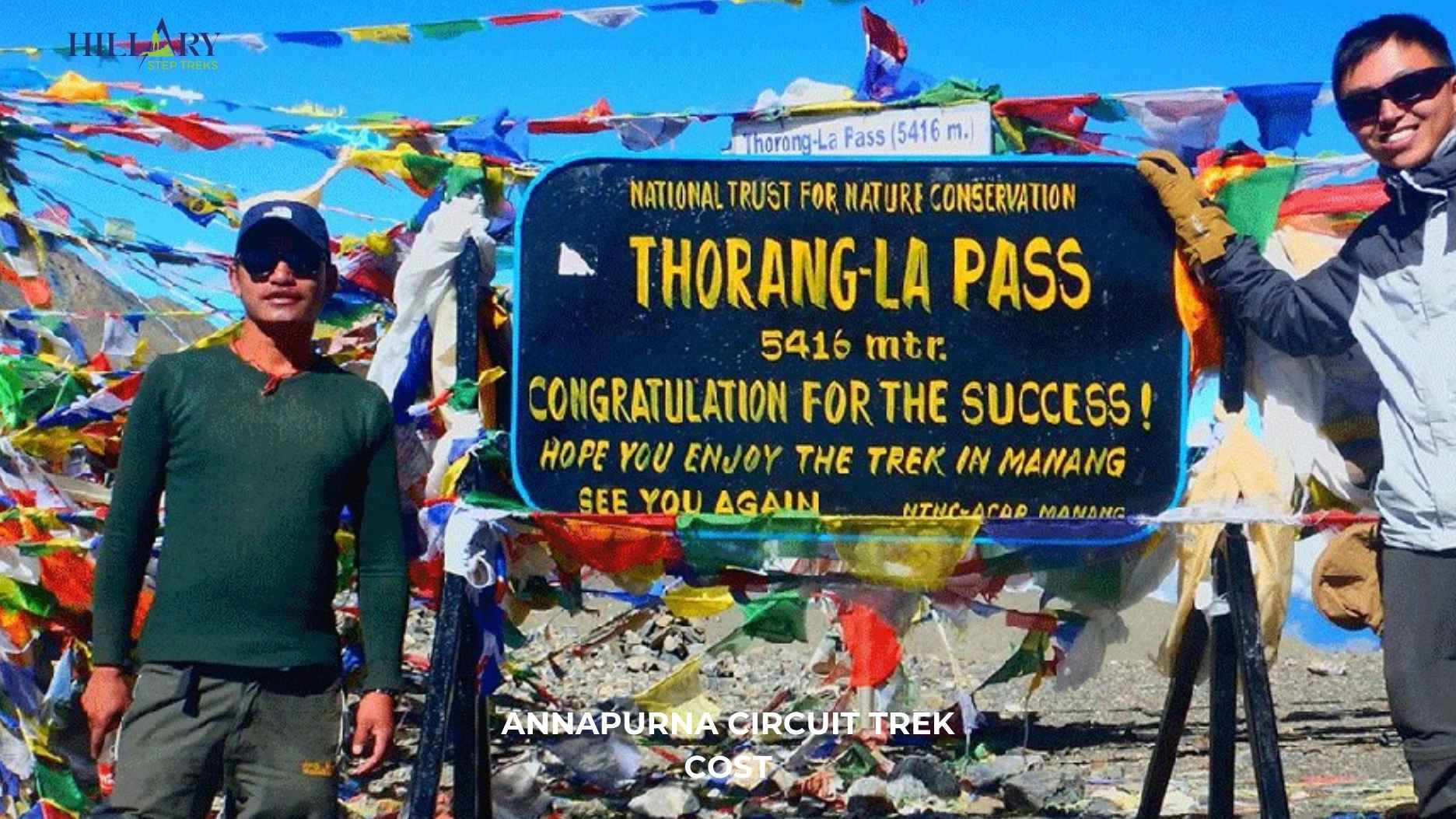
The regular Manaslu Circuit trek usually ends at Tilije (2,300 m) or Dharapani (1,860 m), with a drive to Besisahar and then back to Kathmandu. However, there’s another longer alternative exit as well, which connects with the Annapurna Circuit trek. From Dharapani, the trail heads towards Chame, then continues through Pisang, Manang, and over the Thorong La Pass (5,416 m). After crossing the pass, the route descends to Muktinath, a sacred pilgrimage site, and continues to Jomsom. From there, you can take a flight or jeep to Pokhara and finally return to Kathmandu.

This extension adds about 7-9 extra days to your trek. Instead of finishing the trek at Dharapani, this alternative gives you a chance to continue walking through new landscapes and explore another trail. It’s a great option for those who want to avoid road travel and spend most of their time in the Himalayas. This alternative exit offers new mountain views, high passes, and cultural highlights by combining two major treks into one journey.

Share On:

Hillary Treks

My name is Hari Bahadur Gurung. Since completing the Government Guide Training from Nepal's Ministry of Tourism and Civil Aviation (KEEP and HRA), I have been a specialist in mountain trekking and peak climbing. With specific expertise in the Nepal, Tibet, and Bhutan regions, I have now been a trekking guide and tour operator in Nepal, and across the Himalayas, since 2012.

Read Previous

Where Exactly Is...er Dolpo in Map?

Prev Link

Read Next

Where is Everest Located?

Next Link
trekking inquire
Planning Your Journey to Nepal?

Discover the essential travel requirements for Nepal, including visa procedures, current travel restrictions, and health and safety guidelines. Our travel expert will guide you through the latest entry requirements based on your departure country and passport, ensuring you’re prepared for your Himalayan adventure.

Book a free Consultation Call