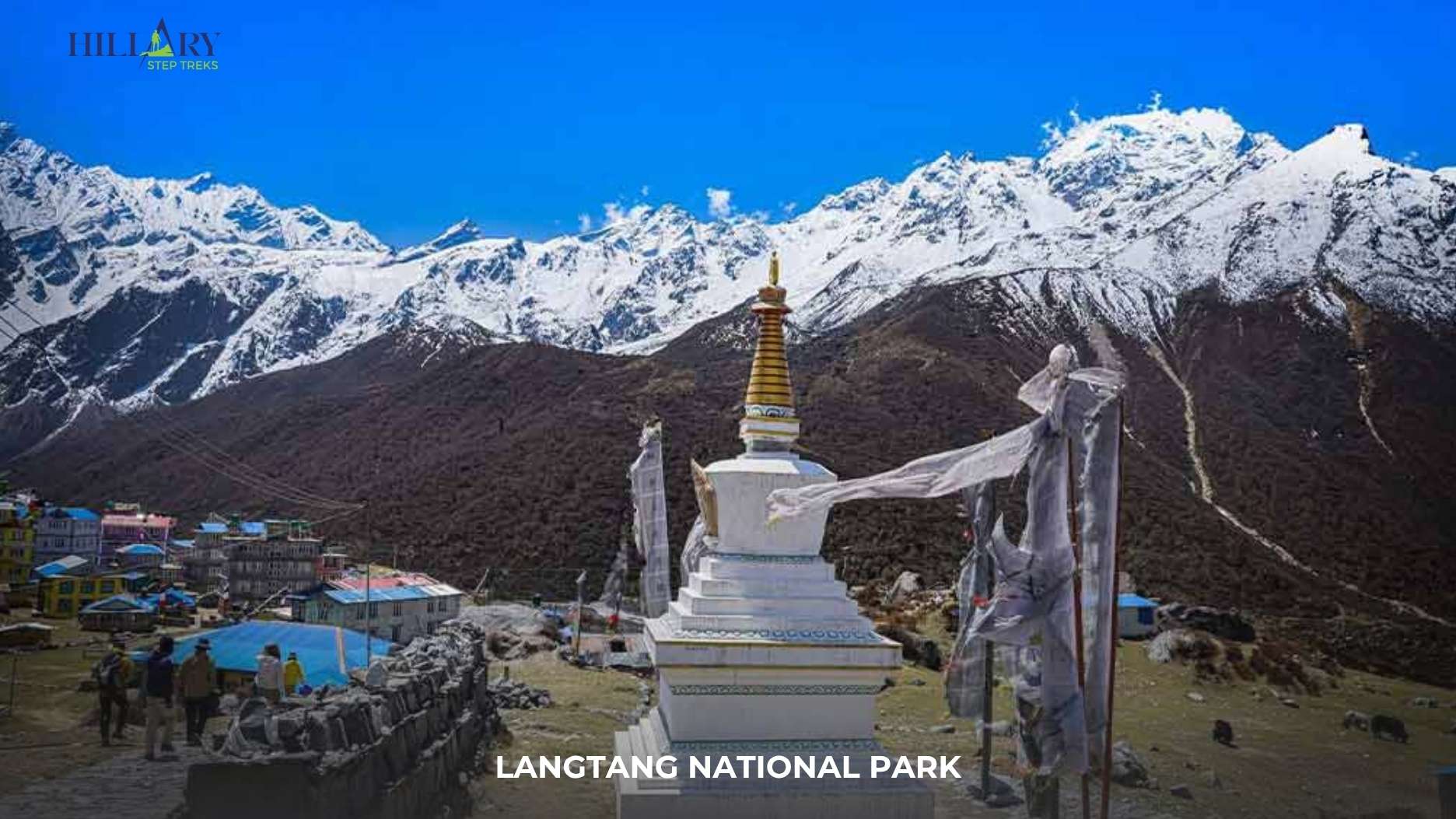

Where stone-paved alleys wind between slate-roofed houses, the scent of firewood drifts through crisp mountain air. This is Ghandruk, a traditional Gurung village situated at about 2,010m (6,594ft) within the Annapurna Conservation Area (ACAP) in the Kaski District of Nepal. Here, children’s laughter echoes from the courtyards, and prayer flags flutter against the breathtaking views of Annapurna South and Machapuchare (Fishtail Peak).
Just a few hours north of Pokhara, Ghandruk stands as the largest Gurung settlement in the Annapurna region. Located on a hillside, you can see breathtaking Himalayan scenery. But visiting Ghandruk is not just for scenery. The village itself has a deep-rooted tradition and warm hospitality that make you feel at home. The locals in Ghandruk depend on tourism, which flourished after the establishment of the Annapurna Conservation Area Project (1986), Nepal’s pioneering model of community-based sustainable tourism. The project helped preserve Gurung culture while empowering locals to share it with travelers.
In the past, it was merely a rest stop for trekkers en route to Annapurna Base Camp and Poon Hill. However, now, it has become a beloved destination in its own right. Travelers with limited time and Nepalis often visit it as a weekend getaway for refreshment without committing to a long, strenuous trek.
How Do You Get to Ghandruk from Kathmandu?
The journey to Ghandruk is a beautiful transition from the chaos of city life to the calm rhythm of the mountains. Most travelers begin in Kathmandu, the bustling capital, and then make their way to Pokhara, a lakeside city in Nepal and the gateway to the Annapurna region.
Kathmandu to Pokhara

You can travel in two main ways to reach Pokhara from Kathmandu:
- By air: A 25-minute flight that offers sweeping views of the Trishuli River and Himalayan foothills (USD 80–120).
- By road: A 6–7 hour drive along the scenic Prithvi Highway that passes small towns, terraced farms, and roadside teahouses.
Both routes reveal glimpses of rural Nepal, but the flight saves time and energy for the trails ahead.
Pokhara to Ghandruk
From Pokhara, Ghandruk lies about 54km northwest, a journey that’s as scenic as it is rewarding.
- By road: Catch a shared jeep or local bus at Baglung Bus Park for a drive from Pokhara. The ride (1.5–2 hrs) climbs through Nayapul and Kimche, with panoramic views of rice terraces and rhododendron forests.
- By trek: From Nayapul (1,070m), follow the trekking route along the Modi Khola River. Then you need to walk about 940m uphill to reach Ghandruk in 4–5 hours. This trail passes stone stairways, small Gurung villages, and endless mountain vistas.
The road to Ghandruk is now partly paved and accessible year-round for jeeps and 4WD vehicles. The only problem is that if you trek during the monsoon, you will have to stay patient in muddy and slippery trail sections. But, whether you go on foot or by vehicle, you’ll get a scenic preview of what awaits you at Ghandruk: winding stone paths, forested ridges, and distant views of the snow-dusted peaks of the Annapurna range.
Note:
- You can also follow the Poon Hill route to trek to Ghorepani and then continue to Ghandruk. Check our Poon Hill Trek for a more detailed route and itinerary.
- Alternatively, you can drive to Kande or Dhampus from Pokhara, then trek through the popular viewpoints of Australian Camp/Pothana, descend to Landruk, and climb up to Ghandruk.
- If you’re on the Annapurna Base Camp (ABC) or the Annapurna Circuit, you can connect Ghandruk via Ghandruk Deurali, passing through Landruk.
Life of the Gurung Community, their Culture, and Hospitality
Life in Ghandruk village moves to a slower, gentler rhythm. The Gurung community, the predominant ethnic group, wakes up with the rising sun and settles when the sun sets. With each step in the village, you witness centuries of Tamu (Gurung) tradition shaped by the Himalayan landscape. For generations, many have served as Gurkha soldiers, carrying courage abroad while keeping their roots and rituals close to home. That mix of pride and warmth defines Ghandruk’s spirit, strong yet deeply welcoming.

Walking through the narrow stone paths of the village, you’ll pass colorful stone-slab houses with intricately carved wooden balconies and slate roofs that glint in the morning light. They are scattered on a terraced layout, which makes the village even more charming. You might hear the hum of folk songs from a Rodhi Ghar, traditional communal houses. Historically, locals, especially young people, gathered in the evening to sing, dance, and share stories. These gatherings continue to this day, especially during festivals such as Tamu Losar (Gurung New Year), Maghe Sankranti, Dashain, and Tihar.
At the Old Gurung Museum, you can see ancient tools and everyday artifacts, and even try on authentic Gurung attire. You can also see artisans weaving colorful shawls, blankets (rari), and carpets (galaicha). Others may be busy tending to buffaloes, drying maize on rooftops, or pounding millet for flour, while elders are mostly seen sipping salty butter tea and telling stories of their time in the Gurkha regiments.
Thus, hospitality here is more than comfort; it is a way into culture. Guests are regarded as a form of god(Atithi Devo Bhava), and you’ll often be welcomed right into a family kitchen. A cup of tea quickly appears, followed by a warm meal of dal bhat, kodo ko roti (millet bread), or dhido made from buckwheat. Sometimes, your hosts will even pour a small glass of aila, their homemade rice liquor. Don’t be surprised if locals talk while they eat; meals in Nepal are often lively. They share stories and laughter during meals.
In short, warmth isn’t just in the woodfired lodges, it’s in the people. Every smile, every “Namaste,” carries the essence of what makes this Himalayan village unforgettable.
What Are The Things To See and Do Around Ghandruk
Every corner of Ghandruk offers something to discover. They range from beautiful sunrise panoramas to quiet alleys echoing with the sounds of village life. So, whether you’re trekking, exploring, or simply escaping the busy life, the mix of mountain views and cultural charm makes Ghandruk an experience to savor slowly.
Below are the five things to do in Ghandruk:
Enjoy the Himalayan Sunrise Views
Most of the lodges in Ghandruk are built on the hillside so that you can wake up to view the first morning light spill over Annapurna South (7,219m), Hiunchuli (6,441m), and the sacred Machapuchare (Fishtail Peak, 6,993m). However, you can also walk up to nearby vantage points near the Old Gurung Museum or from homestay terraces that open directly toward the Himalayas. As the sky shifts from rose to gold, it becomes clear why this view is a part of the Annapurna region treks.
Step Into the Old Gurung Cultural Museum
This small, community-run museum preserves authentic Gurung culture and heritage. Housed inside a traditional Gurung house, it showcases traditional clothing, tools, and relics of daily life. The exhibits quietly tell the story of subsistence farming, festival celebrations, the Gurkha legacy, and the way that connects Ghandruk to history far beyond its mountain borders. They also lend visitors traditional attire and equipment for a photoshoot.
Take Short Treks and Nature Walks
Ghandruk is a typical Gurung village, but it sits at the heart of several scenic and short Annapurna treks. From here, you can continue to various places like:
- Tadapani (2,630m): A 3-hour forest walk offering sweeping views.
- Landruk (1,565m): Cross the Modi Khola River in about 2 hours to reach this sister village.
- Jhinu Danda (1,780m): A 3–4 hour descent to natural hot springs by the river, a favorite among trekkers.
If you prefer not to trek further, you can just wander through terraced fields or follow trails lined with rhododendrons and bamboo around the village. This way, you can observe and learn about the Gurung way of life on mountain hillsides.
Relax, Eat, and Connect
After the day’s walk, you can settle into one of Ghandruk’s cozy cafes like the German Bakery or Annapurna View Café. Try local honey, yak cheese, or freshly baked bread while chatting with fellow travelers and villagers alike. Homestays often offer small workshops and women-led cooperatives, such as weaving, millet beer brewing, or cooking. Birdwatchers can look out for the Himalayan monal, Nepal’s colorful national bird, or catch sight of playful langurs in nearby forests.
Capture the Moment
Each corner of this charming village offers photoworthy moments, from sunrise over the peaks to children playing on stone steps, misty mornings, traditional rooftops, and vibrant Gurung attire. These timeless frames tell the story of life in the high hills. Whether you’re here for a short stay or a trekking base, the village rewards you with the best views and mountain life experience that inspires and makes you feel at home.
Experiencing Ghandruk Through the Seasons
Every season in Ghandruk village reshapes its mood and landscape. In spring, the blooming on the hillsides makes it even beautiful. Meanwhile, in winter, snow-kissed rooftops spark quiet charm. In this way, the changing weather doesn’t just alter the view but entirely transforms how travelers experience the village itself.
From March to May, the spring season brings warm sunshine and blooms of pink and crimson rhododendrons. The skies get clearer and reveal the full majesty of Annapurna South and Machapuchare. Similarly, Autumn (September–November) brings similar crystal-clear skies and perfect trekking weather. The air feels crisp, festivals like Dashain and Tihar fill the village with color, and sunsets turn the mountains to gold. Thus, for anyone who enjoys taking pictures, this is the best time to visit. However, keep in mind that it is also the most popular time of year for the Annapurna region, so the trail and lodges may become crowded.
You can even trek to Ghandruk during the monsoon and winter.The seasons are off-season, meaning there won’t be many trekkers on the trail. And the trekking conditions aren’t too bad either. In the monsoon (June–August), the lush forest paths are shrouded in mist. The terraced fields glow emerald, and the Modi Khola River grows bigger with rain. The trails can be muddy. However, it’s a peaceful time for slow travelers who enjoy quiet tea houses and dramatic cloudscapes.
Likewise, Winter (December–February) offers calm and stillness. At this altitude, snowfall is light and occurs only occasionally, dusting the stone and slate rooftops. Mornings can get chilly and sparkle with frost, but the view makes it all worthwhile. The snowy peaks seem impossibly close against deep blue skies. It’s cold but also cozy, especially when you sit by the fire of a Gurung homestay kitchen and enjoy the warm meals prepared by the hosts.
In the end, Ghandruk keeps its quiet beauty no matter what time you visit. Each season offers its own kind of magic: spring for color, autumn for clarity, winter for peace, and summer for solitude.
Seasonal Temperature Overview
| Season | Average High (°C) | Average Low (°C) |
|---|---|---|
| Spring (Mar–May) | 18–22 | 8–12 |
| Monsoon (Jun–Aug) | 20–25 | 14–18 |
| Autumn (Sep–Nov) | 15–20 | 6–10 |
| Winter (Dec–Feb) | 10–15 | 2–5 |
Ghandruk in the Traveler’s Memory
Visiting Ghandruk village in Nepal is an experience that stays with you long after you’ve left its stone paths behind. You will keep on remembering the quiet spin of a prayer wheel at dawn, the taste of hot tea shared beside a wood fire, and the sound of children laughing through the narrow lanes. Above it all, the fading Annapurna South, Hiunchuli, and Machapuchare peaks make the return journey memorable.
The beauty of this village isn’t only in the scenery. You can never forget the warmth of the Gurung people, their pride in heritage, and their gentle way of welcoming strangers, which makes every visitor feel like family. Whether you trek through its forests, stay in a homestay, or simply sit and watch the clouds drift across the Himalayas, Ghandruk reminds you that simplicity can still feel extraordinary. “We may live high,” one villager says with a smile, “but our hearts are warm.”
So, what are you waiting for? Plan your Ghandruk adventure with us, or explore more Himalayan villages in the Annapurna region.