
Nepal is known for high Himalayan peaks and green trekking trails, but beyond the Annapurna range, the landscape shifts completely. Instead of forests and glaciers, the trek opens into a dry, high-altitude plateau shaped by Tibetan culture. From here, it feels like stepping into a different world. This is Upper Mustang. Along the way, you pass ancient walled cities, cave monasteries carved into cliffs, and wide desert valleys. At the same time, strong winds define the terrain, and rain is rare even during the monsoon, leaving the region raw and exposed all season.
Want to explore this unique region for yourself? This guide covers everything needed to plan the Upper Mustang trek. It walks through permits, itinerary, difficulty, and the best time to go. It also compares Upper Mustang with other popular treks in Nepal, so the differences are clear before making a decision.
Detailed Information on Upper Mustang Trek
Before we dive in, let’s know a bit about the Upper Mustang Trek. It is a restricted route in the northernmost part of Nepal, the Mustang district. Its primary destination is the ancient walled city of Lo Manthang, which was once the capital of the Kingdom of Lo. For many centuries, this former Himalayan kingdom stayed independent till 2008, preserving a living Tibetan culture even as Tibet itself changed under Chinese rule since the 14th century. Along the trek, you’ll pass eroded canyons, sky caves, red-walled monasteries, and traditional Thakali villages that seem frozen in time.
Geographically, Upper Mustang sits in the rain shadow of the Annapurna and Dhaulagiri ranges, along Nepal’s northern border with Tibet. The region is part of the Mustang District in Gandaki Province and is accessed mainly through Jomsom. Jomsom is the district headquarters of Lower Mustang and has a domestic airport connected to Pokhara. Despite its accessibility, the trek’s remote location keeps the area quiet and isolated, giving visitors a sense of true solitude.
Adding to its uniqueness, the Kali Gandaki River, one of the world’s deepest gorges, runs through Upper Mustang. It forms an ancient trading corridor between the Tibetan plateau and the Indian subcontinent. Because of its geography, the region has a dry, almost Mars-like terrain that sharply contrasts with the green hills of lowland Nepal. Combined with its distinct culture, isolated villages, and dramatic landscapes, Upper Mustang offers a trekking experience that feels completely different from anywhere else in the Himalayas.
Why Choose Upper Mustang Trek?
The Upper Mustang Trek is one of the most unique treks in Nepal. It trades the typical rhododendron forests and snowfields of Nepal for a high-altitude desert hidden in the rain shadow of the Himalayas. You enter a prehistoric landscape of red-rock canyons and sky caves that leads to a forbidden kingdom, which is a literal medieval walled capital.
Unique desert-like landscape
Upper Mustang’s terrain is unlike anywhere else in Nepal. Nestled in the rain shadow of the 8,000m giants, it’s a high-altitude desert shaped by dramatic red and ochre cliffs, wide open plateaus, and wind-sculpted organ pipe formations. As you trek through this “Himalayan Mars,” you can witness the Kali Gandaki River below, exposing ancient fossils and a stark, surreal beauty that makes the journey feel truly otherworldly.
Tibetan-influenced culture
The local people of Upper Mustang, the Lobas, are ethnically and culturally traditional Tibetan Buddhist, and their way of life has remained largely unchanged for centuries. As you pass through villages like Chele and Ghami, you’ll see them spinning prayer wheels and walking clockwise around massive Mani walls carved with ancient prayers. In the walled capital of Lo Manthang, they still continue to honor the legacy of the former King of Mustang.
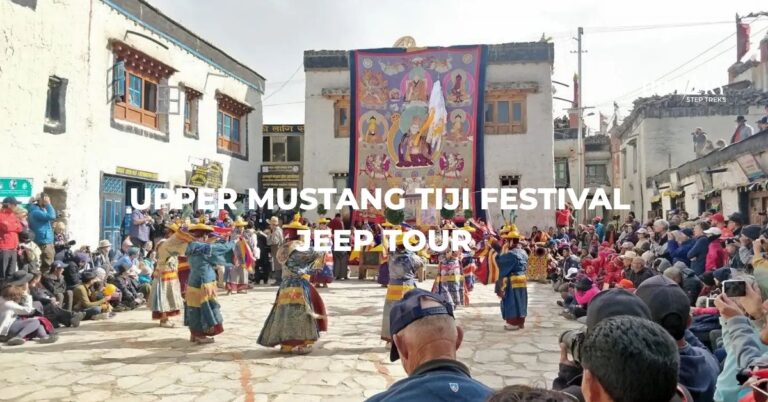
You’ll witness the Mustang exclusive Tiji Festival (a three-day masked dance performance) in May. Similarly, if you visit at the end of winter, you can also witness Lhosar (the Tibetan New Year), with horse racing and communal feasts. These traditions fill the air with the sounds of long horns and clanging cymbals, offering a rare, living glimpse into the soul of the Forbidden Kingdom.

Ancient monasteries and caves
High in the cliffs of Upper Mustang, you will find thousands of man-made caves that date back over 2,000 years. Among them, the most striking are the Shija Jhong Caves in Chhoser, a five-story complex with more than 40 interconnected rooms carved into vertical rock. These “sky caves” once served as burial sites, meditation spaces, and even defensive shelters. Inside, you can see traces of a lost civilization through ancient manuscripts, human remains, and faded murals.
At the same time, the region’s spiritual heritage runs just as deep. In Lo Manthang, you can visit monasteries like Jampa Lhakhang, known as the “God House,” and Thubchen Gompa, home to towering statues and some of the finest surviving 15th-century Buddhist murals. As you follow the return route, you will reach Ghar Gompa (Lo Gekar), one of the oldest monasteries in Nepal, believed to be even older than Tibet’s Samye Monastery and still an important pilgrimage site today.
Less crowded
Because Upper Mustang remains a Restricted Area, it offers an exclusivity that is impossible to find on more crowded routes, such as the Annapurna Circuit or the Everest Base Camp. In 2025, only 3,872 foreign tourists entered the region, representing a mere 2.4% of the total visitors to the broader Mustang district. This low volume ensures that your journey is quiet and personal, allowing for genuine, unhurried interactions with the local Loba people rather than a parade of trekking groups.
Kali Gandaki Valley
The Kali Gandaki Valley is a massive geological rift that existed even before the Himalayas formed. As you walk through it, you move between two 8,000m giants, Annapurna I and Dhaulagiri, with the valley cutting a deep, dramatic path between them. Along the riverbanks, you can spot Saligrams, 150-million-year-old black fossils from the ancient Tethys Ocean, still scattered across the ground.
Historically, this valley served as the main Salt Trade Route between Tibet and India. You follow the same wind-swept paths once used by ancient caravans on the Upper Mustang Trek. You can feel the strength of afternoon winds, driven by the pressure difference between the high Tibetan plateau and the deep lowland gorges, which add a raw, powerful edge to the entire journey.
Monsoon Friendly Destination
Due to its position in the Himalayan rain shadow, Upper Mustang is trekable even during the heavy monsoon from June to August. While much of Nepal turns wet and muddy, you will find dry trails and clear skies here. During this time, irrigated barley and buckwheat fields glow bright green, standing out sharply against the red desert cliffs.
Of course, getting there still takes some patience. Flights between Pokhara and Jomsom may be delayed due to clouds in the lower valleys. But once you’re in Upper Mustang, the payoff is clear. There is less dust, crisp air, and sharp, almost “high-definition” views of the 8,000m peaks that are often hidden in other regions.
Upper Mustang Trek Itinerary Guide
Guiding you through the “Forbidden Kingdom of Lo,” a high-altitude desert featuring ancient Tibetan culture, sky caves, and dramatic red cliffs, the Upper Mustang Trek itinerary takes 15 days to finish. It can be divided into four major sections:
Day 1-2: Arrival and Flight to Jomsom
You board a comfortable tourist bus early in the morning for a 7-8 hour drive. As you drive along the Trishuli River, you can witness the landscape shift from the chaotic energy of the capital to the lush terraced hillsides, and finally to the calm, lakeside atmosphere of Pokhara.
After that, you take a thrilling 20-minute flight between the towering peaks of Annapurna and Dhaulagiri to the windy town of Jomsom. From here, you begin a gentle 3-hour trek along the flat Kali Gandaki riverbed to reach Kagbeni, the medieval gateway where your special Mustang permit is officially checked.
Day 3-7: Trek to Lo Manthang
You leave the green fields behind and gradually enter the high-altitude desert. From here, the trail follows the east bank of the river, leading you toward Tangbe, a village known for its striking black, white, and red chortens. Soon after, you cross a bridge and continue the climb to Chele, perched dramatically along a ridge.
As the trail gains height, you climb the Taklam La Pass (3,624m), getting your first real taste of the high-country air. Instead of sticking to the main road, the route cuts through a narrow canyon, taking you to the ancient Chungsi Cave, a natural cathedral where Guru Rinpoche is believed to have meditated centuries ago.
From there, the landscape opens further as you ascend the Nyi La Pass (4,010m), the highest point on this stretch. While descending, you can see the Ghami village, surrounded by dramatic multi-colored cliffs and marked by the longest Mani wall in the Mustang region.
Continuing onward, you cross the Ghami Khola and move through a landscape that feels almost unreal. The trail then leads to Charang. Here, you can explore the massive white Dzong (fortress) and an old red monastery that houses valuable Tibetan artifacts.
Finally, the journey builds to its most iconic moment. You climb steadily to the Lo La Pass (3,950m), and all at once, the walled city of Lo Manthang appears in the distance. From here, you descend into the capital, where a main gate leads you into a world of narrow alleys, ancient palaces, and a way of life that still feels untouched.
Day 8-11: Exploration and Trek to Chusang
At Lo Manthang, you can switch things up and ride a horse toward the Tibetan border, heading for Chhoser. From there, you can climb into the Jhong Cave, a remarkable five-story structure with more than 40 rooms. These rooms are carved straight into the cliff face and reveal a hidden world within the rock itself.
On the return, the path shifts to a higher, more scenic route, avoiding the earlier trail. Along the way, you can stop at Ghar Gompa, one of Nepal’s oldest monasteries. After that, you move through the deep red cliffs of Drakmar, where the rock face carries an almost surreal, blood-like hue.
As the journey continues, the route descends across open highland pastures. Here, there’s a chance to spot wildlife like blue sheep or Himalayan griffons, adding a quiet sense of movement to the vast, open terrain. Gradually, the trail leads back through remote valleys and along sections of the old salt trade route. This path eventually brought you to the calm and lesser-visited village of Samar. The surroundings feel quieter here, with fewer trekkers and a slower rhythm of life.
In the final stretch, you make your way down toward the river, carefully navigating steep and dusty paths first crossed earlier in the trek. By the end of the day, you reach Chusang, where the striking organ pipe cliffs rise behind the village, creating a dramatic setting to close the journey.
Day 12-15: Visit Muktinath and Return
From Chusang, you take on a steady climb toward the Gyu La Pass (4,077m), one of the more demanding sections of the return. At the top, the landscape opens wide, offering a sweeping panorama of the Annapurna, Dhaulagiri, and Nilgiri ranges. From there, the trail gradually leads down to Muktinath, a sacred pilgrimage site where the atmosphere shifts from remote to deeply spiritual.
The next morning begins early with a visit to the temple’s 108 sacred waterspouts. After spending time at the site, you continue downhill through the old village of Jharkot. From here, the path follows the valley floor, shaped by strong winds. This path guides you back toward Jomsom, where the trekking loop comes to an end with a well-earned local meal.
Soon after, you board an early flight out of Jomsom. As the plane rises, you can view the peaks you’ve just circled one last time. Then, the rest of the day unfolds at a slower pace in Pokhara. You can take a quiet lakeside walk, a boat ride on Phewa Lake, or simply rest and reflect on the journey.
The journey closes with a long drive back to Kathmandu. As the road winds through the green middle hills, the contrast becomes clear once again. What stays with you is not just the distance covered, but the memory of a desert kingdom, a place beyond the Himalayas that feels distant, raw, and unforgettable.
Transportation Options to Upper Mustang
There are several ways to reach Jomsom, the gateway to Upper Mustang, and each one shapes your journey differently. You can fly through the Kali Gandaki gorge, take a long overland drive, or even mix both with a trek. Each option comes with its own pace, cost, and experience. Below, each route is explained in detail to make the choice easier.
Flight to and from Jomsom
The fastest and most convenient option to travel from Pokhara to Jomsom is to take a 20-25-minute flight, weather permitting. It’s also the most popular option because it saves you a couple of days of dusty road travel. However, there is a strict 15kg baggage limit, carry-on included, since these are small aircraft. Flights almost always leave before 10:00 AM to avoid fierce winds that make afternoon flying risky. Plus, if you’re traveling during the May Tiji Festival or October peak season, you should book well in advance to secure a seat.
Drive from and to Pokhara
In 2008, the Nepal Army carved a rugged mountain road linking Pokhara to Jomsom through the Kali Gandaki valley. It began as a rough track, but at present it serves as the region’s main overland route. This wild, single-lane dirt path requires an 8 to 10-hour drive. It challenges your endurance, but rewards you with sweeping views of landscapes shifting from subtropical forests to arid deserts.
More importantly, the route makes reaching Jomsom less costly. However, during the monsoon (June-August), landslides and waterfalls often block the road, so only a 4WD jeep can navigate it reliably.
Jeep Vs Trekking Comparison
The road now reaches Lo Manthang, but a jeep ride is a completely different experience from trekking. You could compress a 12-day trek into a 4-day jeep tour, but you’ll miss the hidden sky caves and the rhythm of walking ancient footpaths. That’s why many modern travelers go hybrid: trekking scenic high trails like the Gyu La Pass and then using a jeep to skip dusty sections of the valley floor. That said, a full trekking journey offers silence, gradual acclimatization, and a spiritual connection to the land that no bumpy ride can match.
Guide to Upper Mustang Trekking
Upper Mustang Trek Difficulty Level
The Upper Mustang Trek is moderate in difficulty. It does not include technical sections like glacier crossings, fixed ropes, or extreme altitude to contend with. The highest point, Lo Manthang, sits at around 3,840m, which is manageable for most reasonably fit trekkers with proper acclimatization.
However, the challenges include:
- Wind: The Kali Gandaki valley brings powerful afternoon winds, often 50-70 km/h, especially between 11 AM and evening. You have to start early each day.
- Altitude: While not extreme, altitude sickness can still occur. We have adequate built-in acclimatization days, but you should still stay aware.
- Remote Terrain: Medical facilities are extremely limited. Good travel insurance and a basic first aid kit are non-negotiable.
- Dust and Dryness: The desert environment of the Upper Mustang region can make skin dry, lips cracked, and can lead to significant dust.
Best Time for Upper Mustang Trek
The best time to trek Upper Mustang depends on what you want to see. Spring and autumn offer clear skies and comfortable temperatures. The region also stays dry in summer and during the monsoon season, so it remains a good choice, especially for photographers. So, winter is the only season to avoid, as extreme cold causes most locals and teahouses to migrate south.
| Season | Months | Conditions | Best For |
|---|---|---|---|
| Spring | March – May | Moderate temps, blooming flora, stable weather | Cultural Festivals (Tiji) |
| Summer/Monsoon | June – August | Dry and clear; lush green irrigated fields | Photography & Solitude |
| Autumn | Sept – Nov | Crisp air, deepest blue skies, peak visibility | High-Definition Mountain Views |
| Winter | Dec – Feb | Harsh cold, snow-covered passes, many closures | Experienced Cold-Weather Trekkers |
Our recommendation: Choose May to experience the Tiji Festival in Lo Manthang and October for the clearest, sharpest views of the 8,000m snow-capped peaks.
Upper Mustang Trek Permits
You’ll need two mandatory permits for your trek to the hidden kingdom in Upper Mustang:
- Restricted Area Permit (RAP): USD 50 per person, per day.
- Annapurna Conservation Area Permit (ACAP): NPR 3,000 (~USD 22).
Important Permit Updates 2026
- TIMS Card: It is often waived if you fly both in and out of Jomsom. It is required only for overland entry or for combining the Upper Mustang with other Annapurna Circuit treks. It costs USD 20 for foreigners.
- Solo Trekkers: As of March 2026, the two-person minimum rule has been lifted, so you can now solo trek in Upper Mustang too.
- Licensed Guide: A licensed Nepalese guide is mandatory for all trekkers.
- Permits: These must be arranged through a registered trekking agency. They are valid for a single entry, non-refundable.
- Pre-Arrival Digital Application: Your agency can now start your application from abroad using your Nepal Visa Submission ID. However, the final permit is only activated once your physical passport is verified in Kathmandu or Pokhara.
- Checkpoints: Expect frequent digital inspections at entry/exit points, such as Kagbeni and Lo Manthang. Checkpoints now use QR code scanners to verify the authenticity of e-TIMS and RAP.
- Overstaying: Fines range from USD 50 to USD 100 per day.
- Route Adherence: You must follow the approved itinerary submitted with your permit. Unauthorized deviations can lead to fines or permit cancellation.
Accommodation and Food
You’ll find teahouses along the route from Jomsom to Lo Manthang, though standards can vary. Most have basic twin rooms with shared bathrooms. In Lo Manthang, there are a few boutique guesthouses that now offer attached bathrooms and heated blankets. Keep in mind that many teahouses close from December to early March when owners head south. Similarly, most teahouses have solar-heated showers, so the water only stays warm while the sun is out. To get a hot shower, it’s best to bathe early in the afternoon before the water cools.
The teahouses also serve nourishing, simple meals, such as Dal Bhat (rice and lentil soup), local Tibetan staples like Tsampa (roasted barley flour), Thukpa (hearty noodle soup), and Momos (steamed dumplings). A true highlight along the Upper Mustang trek is the local produce and drinks, such as:
- Marpha apples: Raw or dried apples, apple pie, or local apple brandy in Jomsom and Marpha.
- Salt Butter Tea (Su-Chya): A traditional Tibetan drink made with yak butter and salt. It’s an acquired taste, but great for hydration and energy in the dry desert air.
- Sea Buckthorn Juice: Tart, bright orange juice made from local wild berries, packed with Vitamin C, perfect for an afternoon boost.
You need to bring a reusable water bottle. ACAP and local village committees discourage the use of bottled water to reduce plastic waste. They have installed Safe Drinking Water Stations in nearly every village, where you can get filtered water for a small fee. This is safer for you and better for the environment.
Tips for First-Time Trekkers in Upper Mustang
- Start early each day: Aim for 11 AM or earlier, as powerful valley winds make trekking miserable.
- Hydrate constantly: The dry air accelerates dehydration faster than you’d expect.
- Respect local customs: Always walk clockwise around mani walls and stupas; ask before photographing monks or religious ceremonies.
- Pack sun protection: At this altitude with no cloud cover, UV radiation is intense. You need to wear sunscreen, sunglasses, and lip balm to protect yourself.
- Carry cash: ATMs do not exist in Upper Mustang. Withdraw enough Nepali rupees in Pokhara or Jomsom before heading in.
- Download offline maps: Apps like Maps.me or Gaia GPS work without a signal.
- Get travel insurance: Ensure your policy covers high-altitude trekking and helicopter evacuation.
Upper Mustang Trek vs Other Popular Treks
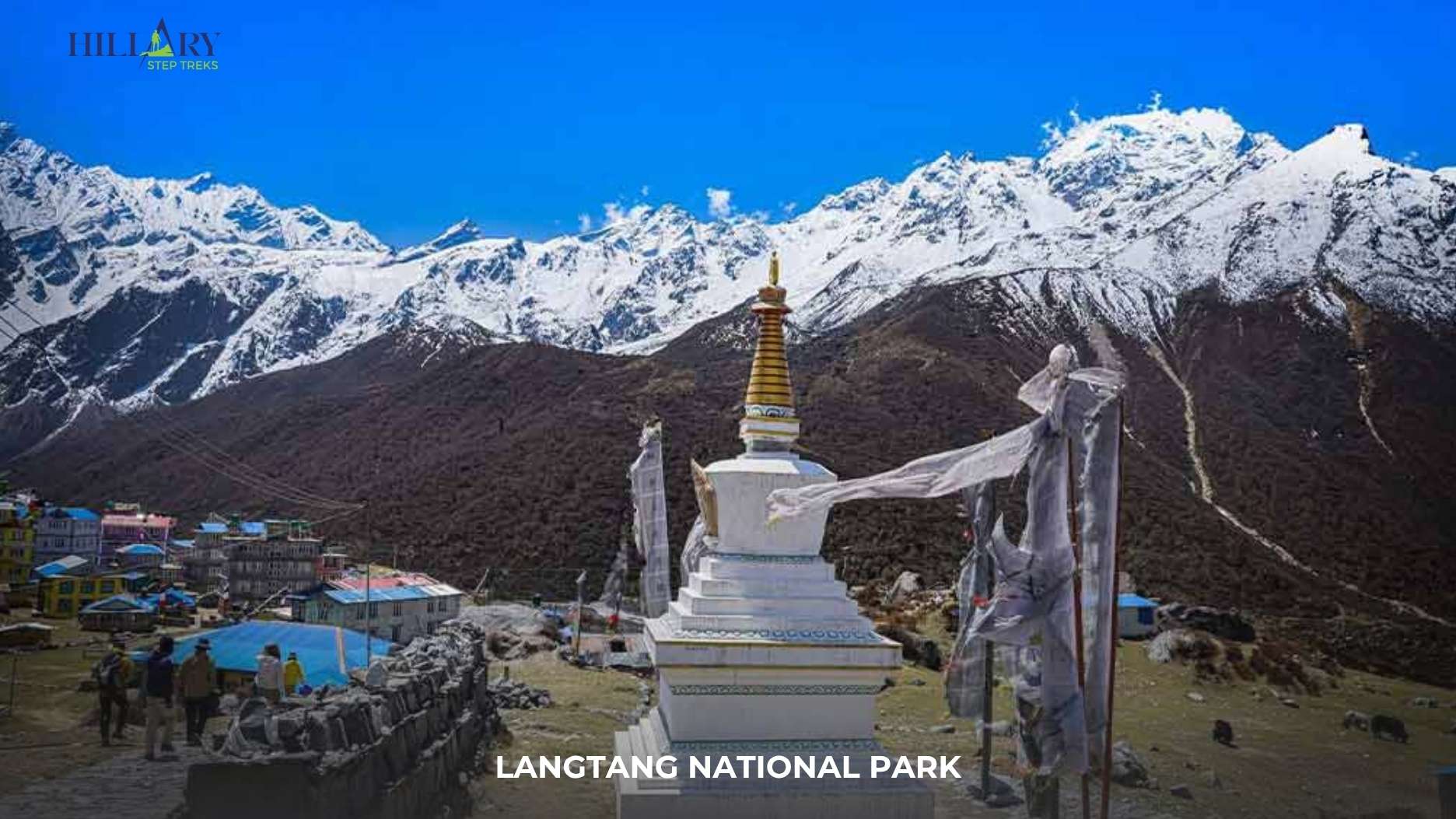
Upper Mustang is a one-of-a-kind trek in Nepal. Far from the crowds of Everest Base Camp and the Annapurna Circuit, Mustang offers restricted access, preserved Tibetan traditions, dry monsoon trails, and surreal desert landscapes. It’s perfect for those seeking originality, true adventure, and a unique cultural experience aside from the Langtang Valley Trek.
| Feature | Upper Mustang | Everest Base Camp | Annapurna Circuit | Langtang Valley |
|---|---|---|---|---|
| Duration | 15 days | 14 days | 12-18 days | 7-10 days |
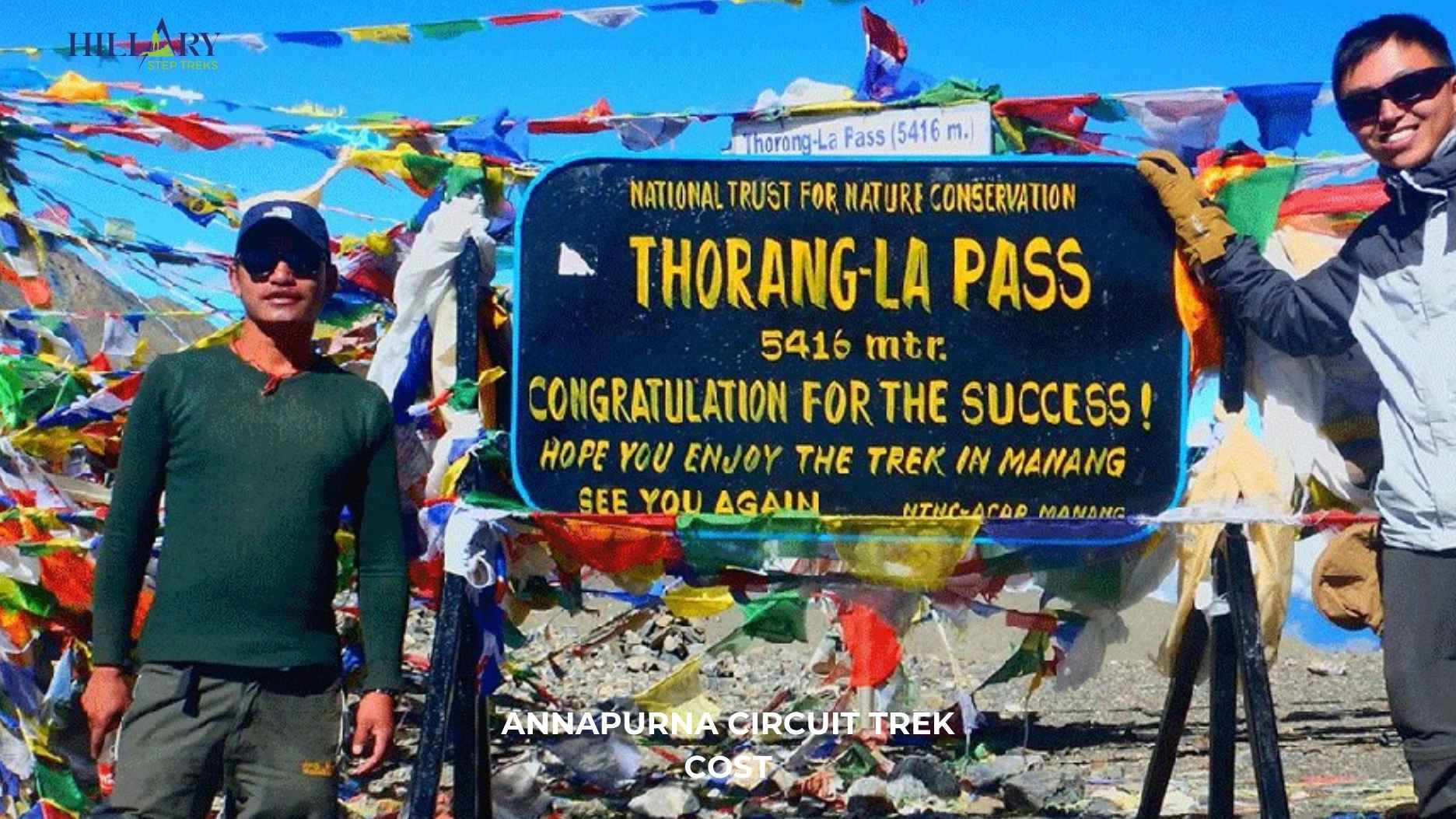
| Max Altitude | 4,077m (Gyu La Pass) | 5,364m (Base Camp) | 5,416m (Thorong La) | 4,984m (Tserko Ri) |
| Landscape | Arid desert & red canyons | Glaciers & snow peaks | Forests to high alpine | Narrow glacial valleys |
| Cultural Hubs | Lo Manthang, Chhoser | Namche Bazaar, Khumjung | Manang, Marpha | Kyanjin Gompa, Langtang |
| Major Peaks | Dhaulagiri, Annapurna I, Nilgiri | Everest, Lhotse, Ama Dablam | Annapurna II, III, IV | Langtang Lirung, Ganesh Himal |
| Crowd Level | Very Low | Very High | High | Moderate |
| Permit Cost | USD 50/day + ~USD 23 | ~USD 50 total | ~USD 43 total | ~USD 43 total |
| Monsoon Trekking | Excellent (rain shadow) | Not ideal (clouds, leeches) | Not ideal (landslides) | Not ideal (no views) |
| Unique Asset | Lo Manthang, a living 15th-century walled city, the last capital of the Kingdom of Lo | Closest approach to Everest (8,849m), the world’s highest peak | Kali Gandaki Gorge, the world’s deepest gorge, flanked by 8,000m peaks | Kyanjin Glacier, the most accessible glacial valley from Kathmandu |
Conclusion
The Upper Mustang Trek is a journey into one of Asia’s most culturally preserved and visually striking trekking regions. It takes you to the wind-swept plateau above the Kali Gandaki, and the sacred alleyways of Lo Manthang that reveal a world that feels like ancient times. Yeah, special permits are costly, and a guide is required, but the experience of this remote, hidden kingdom is something you should witness and experience.
It is fit for everyone: cultural explorers, adventure seekers, or photographers chasing light over red desert cliffs. Plan carefully, respect the land and its people, and keep an open mind. The Kingdom of Lo is ready to welcome you.