
If you are comparing the Upper Dolpo vs Lower Dolpo trek, it means you already know you want a trek that is wilder, more remote, and less crowded than the Everest or Annapurna region treks. But here’s the thing: choosing between the Upper Dolpo and Lower Dolpo is about the kind of adventure you want to live through.
Upper Dolpo is longer, harder, more remote, and significantly more expensive due to restricted-area permits and logistical requirements. In contrast, the Lower Dolpo trek is shorter, slightly easier, more affordable, and more accessible. The trek still feels far from mainstream tourism. Both regions have their own character, scenery, and challenges.
Let’s take a closer look at the main differences between the Upper Dolpo vs Lower Dolpo treks across the various key aspects of the trek.
Where Is Dolpo, and What Splits Upper from Lower?
Dolpo lies in Karnali Province in north‑western Nepal, hidden behind the massive Dhaulagiri and Kanjirowa mountain ranges. It sits in a rain-shadow area. So, the region has a dry climate and rugged landscapes that feel more Tibetan than the greener parts of Nepal further east. The journey to Dolpo starts with a short flight from Kathmandu to Nepalgunj and then to Juphal, followed by a trek along the Thuli Bheri River towards Dunai.
Similarly, the splits between Upper and Lower Dolpo lie in how far north you travel. Lower Dolpo covers the approach from Dunai to Tarakot and Dho Tarap, the big passes such as Numa La and Baga La, and the serene shores of Shey Phoksundo Lake. Upper Dolpo, in contrast, lies farther north of Phoksundo, where trails cross additional high passes into the plateau around Shey Gompa, Saldang, and other villages closer to the Tibetan border.
 USD 300 OFF
Quick Comparison of Upper Dolpo vs Lower Dolpo Trek
Upper and Lower Dolpo lie within the same remote corner and are less crowded treks, yet the experience of trekking through each region feels completely different. Here’s the quick comparison between the Upper Dolpo vs the Lower Dolpo trek:
| Factors | Upper Dolpo Trek | Lower Dolpo Trek |
|---|---|---|
| Duration | 24 to 27 days | 14 to 18 days |
| Average walking per day | 6–8 hours, some 9+ hour days | 5–7 hours, with a few longer days |
| Highest passes | Several passes over 5,000m | Numa La (5,190m) and Baga La (5,160m) |
| Difficulty level | Strenuous/challenging | Moderate |
| Trek style | Mostly camping, occasional basic homestays | Lodges/tea houses, homestays + 2 camping nights |
| Cost trend | Higher. Permits + full camping logistics | Medium–high but lower than Upper Dolpo |
| Culture focus | Deep Tibetan Buddhist and Bon culture | A mix of Tibetan and Hindu, plenty of village interaction |
| Best suited for | Experienced high‑altitude trekkers | Suitable for fit beginners to intermediate trekkers |
Upper Dolpo Trek
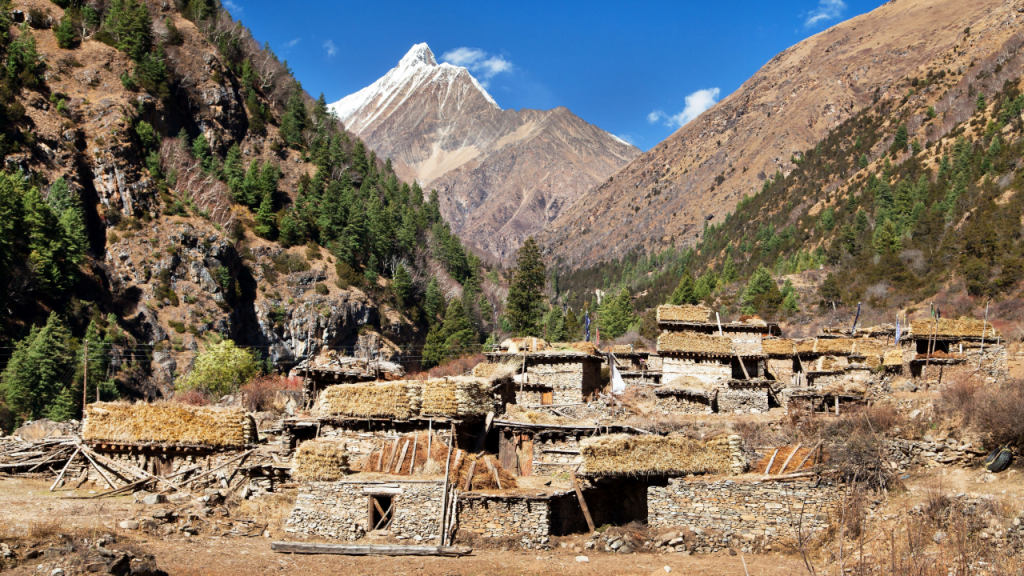
Upper Dolpo Trek takes the adventure a step further into the most isolated section of the Dolpo region. The trek begins where the familiar forests and villages thin out and the land opens into vast, open plateaus shaped by wind, altitude, and time. The trail ventures deep into the highlands north of Shey Phoksundo, crossing several passes above 5,000m. You will spend days walking between small stone-built villages, high grazing grounds, and expansive mountain terrain.
This trek is more like an expedition than a standard lodge trek. Along the route, you visit monasteries that preserve old statues, scriptures, and wall paintings. Many of these monasteries sit above the villages they have watched over for generations. The trek can include legendary places such as Shey Gompa, reached after crossing a high pass and descending into a hidden valley. Accommodation is usually basic. You will spend time in camps or simple local homes. On clear nights, the sky is filled with stars, and the Milky Way stretches across the mountains. If you’re asking, “How difficult is the Upper Dolpo trek compared to Lower Dolpo?”, it is a step more demanding.
Who Should Choose the Upper Dolpo Trek?
Choose Upper Dolpo Trek if:
- You already have experience trekking at high altitudes between 4,000 and 5,000m.
- You can set aside three to four weeks in Nepal, including travel and extra days for weather or acclimatization.
- You are comfortable with basic camping conditions and limited or no phone and internet access for several days.
- You want to explore one of Nepal’s most remote restricted trekking regions and are looking for a bigger challenge.
Lower Dolpo Trek
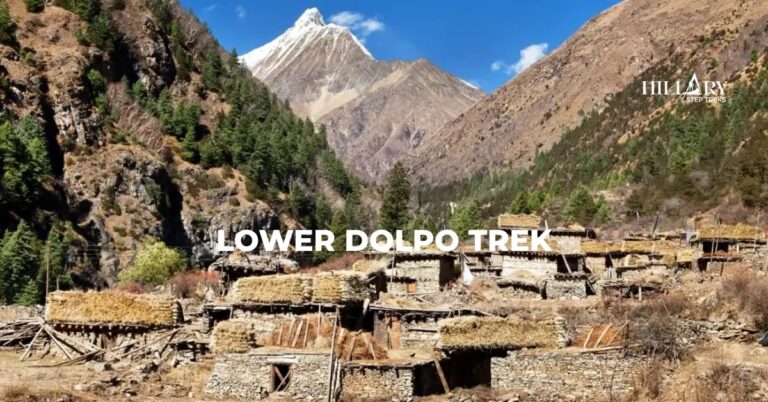
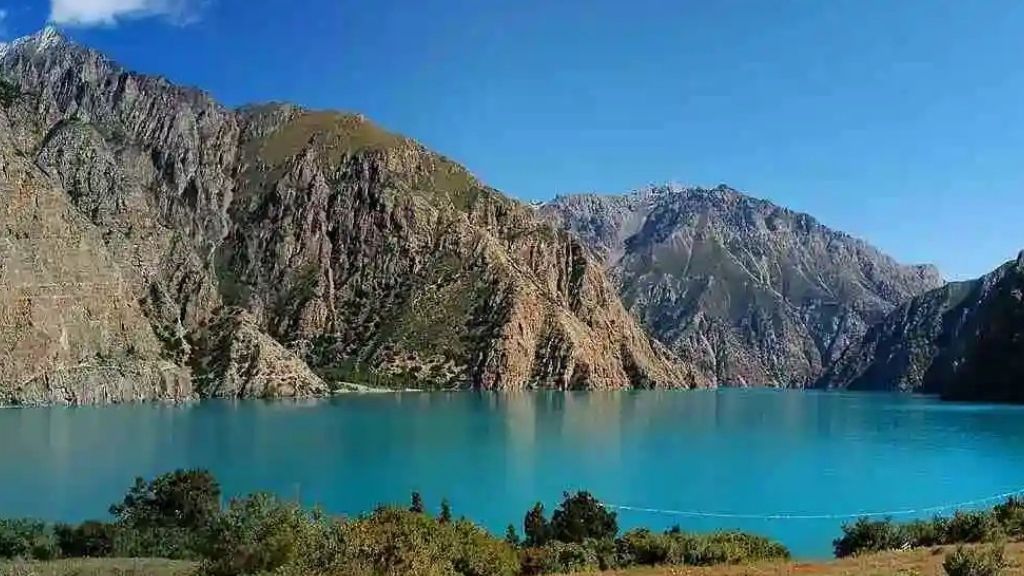
Lower Dolpo Trek offers a compact but rich journey that constantly changes around you. The trail begins in lower altitudes areas where there are softer landscapes like riverbanks, terraced fields, and pine forests. As you go higher, the forest thins, the air becomes cooler, and you cross Numa La and Baga La Pass to reach Shey Phoksundo Lake, the main highlight of Lower Dolpo.
Throughout the trek, you move through a string of communities that are remote but still see enough visitors to offer simple lodging and a warm welcome. This way, the Lower Dolpo Trek is worth it even if you don’t go to Upper Dolpo because you cover so many highlights like Shey Phoksundo, Dho Tarap, the high passes, and the remote villages.
Who Should Choose the Lower Dolpo Trek?
Choose Lower Dolpo Trek if:
- It is your first restricted trek in Nepal, but you still want a tough and special trip.
- You have about 2 weeks for trekking in Nepal.
- You want to see what Dolpo has to offer without doing a very long expedition.
- You are okay with simple lodges, homestays, and a few camping nights.
- You want a quiet trail with fewer tourists.
Why Dolpo is One of Nepal’s Most Magical Trekking Regions?
Dolpo is one of the most special trekking regions in Nepal because you can see bright blue lakes, deep valleys, high mountains, and dry landscapes that look very different from other parts of Nepal. Trekking in Dolpo still feels like a real adventure and exploration. The region is quiet, remote, less crowded, and far from busy trekking routes. Every day on the trail brings new scenery and new experiences. The landscape changes from green pine and juniper forests near Shyanta and Sulighat to high‑altitude desert around Dho Tarap and the passes.
The region is also rich in culture and tradition. Along the way, you will see prayer flags, chortens, mani walls, and ancient monasteries that have been part of local life for hundreds of years. The people of Dolpo still follow traditional ways of living, and many Tibetan Buddhist villages are untouched by modern development.
Another thing that makes Dolpo special is its peaceful and remote atmosphere. You walk through quiet valleys, hear the sound of rivers and wind, and share the trail with yak caravans and local traders (an important part of daily life). Life here moves at a slower pace, which makes the journey feel more like an exploration than a regular trek.
Upper Dolpo vs Lower Dolpo Trek: Main Differences Explained
The main differences between Upper and Lower Dolpo show up in difficulty, duration, cost, scenery, and cultural depth. The table above helped you compare the facts at a glance, and the sections below explain how those details feel when you’re actually on the trail.
Trek Difficulty and Physical Challenge
The Upper Dolpo Trek difficulty is graded as challenging to strenuous. The main difficulty results from the high altitude, long trekking days, and remote location. You spend many days above 4,000m and cross several mountain passes that are over 5,000m. And since the region is very remote, there are few villages and limited facilities along the way. You spend many nights camping in exposed areas where temperatures can drop significantly. Also, there is a risk of altitude sickness. On some days, you may walk for 9 hours or more, with both steep uphill walks and long descents. Good fitness, previous trekking experience, and proper acclimatization are important for this trek.
In contrast, the Lower Dolpo Trek difficulty is rated as moderate. While it also includes high-altitude trekking and mountain passes, it is generally less demanding than Upper Dolpo. You still spend time above 3,500-4,000m and cross major passes such as Numa La and Baga La. The toughest parts are the steep climbs, rocky trails, and several days of continuous walking. Most trekking days involve around 5 to 7 hours on the trail. Compared to Upper Dolpo, Lower Dolpo has more villages, lodges, and homestays along the route, making the journey easier to manage. It is a good choice for trekkers looking for a remote Himalayan adventure without the challenges of a full expedition.
Trek Duration and Walking Hours
Another difference also lies in the duration that each Dolpo trek takes. Upper Dolpo is a long expedition-style trek that usually takes three to four weeks (24 to 27 days), while Lower Dolpo takes roughly two weeks (14 to 18 days).
During the trek to Upper Dolpo, the route covers a large and remote area, with each day leading to the next valley, village, or mountain pass. Because of the distance and isolation, there are very few shortcuts or alternative routes. The average walking time is 5 to 7 hours, but on some days it’s 8 hours or more.
Similarly, Lower Dolpo is shorter. Daily walks are usually between 5 and 7 hours, with a few longer and more challenging days while crossing the passes.
| Features | Upper Dolpo | Lower Dolpo |
|---|---|---|
| Total Duration | 24 to 27 days | 14 to 18 days |
| Trekking Days | 18 to 22 days | 12 to 14 days |
| Daily Walking Hours | 6 to 8 hours. Some days, 9 hours or more | 5 to 7 hours |
| Time Required | 3-4 weeks | 2 weeks |
USD 300 OFF
Cost Comparison Between Upper and Lower Dolpo
The Upper Dolpo Trek costs more than the Lower Dolpo Trek. Upper Dolpo is more expensive because the trek is longer and much more remote. You also need to pay more for restricted area permit fees. A longer itinerary with more trekking days means higher costs for guides, porters, and support staff. Furthermore, since it is a camping trek, you need to separate the cost for tents, kitchen equipment, fuel, and food supplies. Because of these additional logistics, Upper Dolpo is one of the most expensive trekking regions in Nepal.
On the other hand, Lower Dolpo is affordable. Restricted area permits are required, but permit costs are lower than in Upper Dolpo. Most nights are spent in lodges or homestays, so only a few camping nights are needed. A shorter itinerary means lower guide and porter costs.
For reference, our Lower Dolpo Trek costs currently start from USD 2,600 per person, with group discounts down to USD 2,350 for 7-12 trekkers. Upper Dolpo, when you compare similar quality logistics, typically sits above this range.
Scenery and Culture Compared
Upper Dolpo is known for its vast open landscapes, high-altitude plateaus, and remote stone villages. The scenery feels wild and untouched, with long stretches between settlements and very few trekkers on the trail. The culture is strongly influenced by Tibetan Buddhism and the ancient Bon tradition. Monasteries, prayer flags, chortens, and sacred sites are an important part of daily life. Places like Shey Gompa give the region a deep spiritual atmosphere.
Lower Dolpo offers more variety in both scenery and culture. The trek begins in green valleys with forests, rivers, and waterfalls before reaching higher mountain landscapes and famous viewpoints around Shey Phoksundo Lake. The local culture is a mix of Tibetan Buddhist and Hindu traditions. Since villages are closer together, trekkers have more opportunities to meet local people and experience daily life along the route.
Why Dolpo Is Called the “Hidden Kingdom”?
Dolpo is called the Hidden Kingdom of Nepal because for hundreds of years, high mountains and difficult trails have kept the region isolated. Even today, reaching Dolpo is not easy. One needs to take a flight to Juphal and then spend several days trekking through the mountains. Dolpo restricted area permits are also required to enter many parts of the region, which helps keep visitor numbers low.
Furthermore, Dolpo remained isolated for so long that many of its traditions, culture, and religious practices remain uninfluenced by the modern world. Ancient monasteries, prayer flags, local festivals, and traditional lifestyles are still an important part of everyday life. Also, people living in Dolpo developed their own way of life based on farming, yak herding, trade, and religious traditions.
Which Trek Offers Better Himalayan Scenery?
Both Lower and Upper Dolpo offer the best Himalayan scenery. Upper Dolpo is all about wide, open landscapes. You see long ridges, empty valleys, and endless mountain horizons. The colors are softer and more natural, changing with light and weather. There are no busy viewpoints, so you don’t have to wait long to enjoy the scenery. The beauty here comes slowly as you walk for days through high, remote settlements.
Lower Dolpo offers more dramatic and varied scenery. The highlight is Shey Phoksundo Lake with its deep blue water, pale cliffs, and nearby waterfalls. As you move along the trail, the scenery keeps changing, from green forests and river valleys to high passes and wide mountain views. It feels more diverse and visually striking in a shorter time.
Thus, if you want to choose Upper Dolpo vs Lower Dolpo trek in terms of scenery, choose Lower Dolpo for bright, dramatic scenery like Phoksundo Lake and waterfalls, and a mix of forests, valleys, villages, and high passes in just 2 weeks. Likewise, choose Upper Dolpo if you like huge, open landscapes and quiet mountain plateaus, long, remote walking days above the tree line, and a more raw, untouched Himalayan environment.
Which Trek is Better for First-Time Trekkers?
Lower Dolpo is the better choice for first-time trekkers in the Dolpo region or anyone new to restricted high-altitude treks. The trek is shorter and easier to plan. Also, there are more lodges and rest points along the way, so camping is not necessary. You still cross high passes, but with more support and structure.
Upper Dolpo is better suited for experienced trekkers who have already done major high-altitude routes like Everest Base Camp, Annapurna Circuit Trek, Manaslu, or Langtang. It requires more endurance, more time, and comfort with very basic conditions over a long period.
Why Dolpo Treks Feel More Exclusive Than Everest or Annapurna?
Dolpo treks feel more exclusive than the classic Everest or Annapurna routes because the region naturally limits how many people can visit and how they travel. Fewer flights, restricted permits, very simple infrastructure, and longer itineraries all filter out casual traffic, leaving the trails quiet and the villages less focused on tourism. That combination creates an atmosphere where your trek feels personal and unhurried, and where encounters with other groups are rare enough to notice.
| Aspect | Dolpo Treks (Upper & Lower) | Everest / Annapurna Main Routes |
|---|---|---|
| Number of trekkers | Very few people on the trail | Many trekkers, especially in the peak trekking season |
| Infrastructure | Basic lodges, homestays, and camping | Well-developed lodges, bakeries, and gear shops |
| Trail atmosphere | Quiet, remote, with long stretches of solitude | Social, busy, with frequent encounters and traffic |
| Cultural focus | Living villages not built around tourism | Many settlements centered on the trekking economy |
| Access and logistics | Flights, road transport, restricted area permits, and longer itineraries | Direct access from main hubs, shorter standard routes |
Best Time to Trek Upper Dolpo and Lower Dolpo
Both Upper and Lower Dolpo can be trekked in most seasons, but spring and autumn are the best and most reliable times. Also, Dolpo sits in a rain‑shadow, so it’s drier than many parts of Nepal, and monsoon trekking is possible with some preparation.
| Season | Upper Dolpo | Lower Dolpo | Recommendation |
|---|---|---|---|
| Spring (March to May) | Warming up, stable weather, cold high camps. | Clear weather, snow melting, great for passes. | One of the best seasons for both treks. |
| Autumn (September to October) | Very stable, crisp, cold nights. | Peak conditions and top visibility. | Another prime window, especially for Upper Dolpo. |
| Winter (December to February) | Very cold, many passes unsafe. | Harsh cold, not ideal for most trekkers. | Generally not recommended. |
| Monsoon (June to early September) | Less rain, but flights and clouds can be tricky. | Often better than expected around Phoksundo. | Possible with buffer days and flexibility. |
Culture, Nature & Spiritual Significance of the Dolpo Region
In Dolpo, culture and nature are closely connected, and you notice it as soon as you start trekking. People farm barley, buckwheat, and potatoes on small fields carved into the mountainsides. Water from streams is used both for irrigation and daily life. Yaks and sheep are an important part of local life, grazing on the high slopes around the villages. Above the houses, monasteries and shrines mark sacred spaces where local people gather for festivals, rituals, and quiet daily prayers, with prayer flags carrying mantras on the wind.
The Dolpo region is also home to wildlife that survives in this harsh, high-altitude environment. You may see blue sheep on rocky hills, and birds of prey flying high above the valleys. Snow leopards also live in the region, although they are extremely rare to spot. Their presence adds to the wild and untouched feeling of the area. For trekkers, trekking through Dolpo is a chance to see a way of life that is deeply connected to nature. People here live closely with the land, following old traditions and seasonal rhythms.
Permits and Restricted Area Rules Explained
Dolpo is a restricted area trek in Nepal, so trekkers need restricted area permits in addition to the regular national park permit. The permit rules help protect Dolpo’s culture, environment, and remote communities. Nonetheless, the permit process is more complicated than on popular routes like Everest or Annapurna.
While the permit process may seem complicated, most trekkers do not need to worry about the paperwork because their trekking company handles the permits, guide arrangements, and required documents. Once everything is organized, you can focus on enjoying one of Nepal’s most remote and unique trekking regions.
Permits required include:
| Permit | Upper Dolpo | Lower Dolpo |
|---|---|---|
| Restricted Area Permit | Required. Higher cost due to more days in the restricted area | Required. Lower cost because fewer restricted days are involved |
| Shey Phoksundo National Park Permit | Required | Required |
| TIMS Card | May be required depending on current regulations | May be required depending on current regulations |
Here are some restricted area rules:
- You must trek with a registered trekking company.
- A licensed guide is mandatory for both Upper Dolpo and Lower Dolpo.
- Solo trekking with an experienced guide is allowed in both Upper and Lower Dolpo areas.
- Permit applications are handled through a trekking agency.
How to Choose the Right Dolpo Trek for You?
To choose the right Dolpo trek for you, consider the time you can give, trekking experience, and the kind of adventure you want. That said, choose the Lower Dolpo trek if you have around 2 weeks’ time, are new to high-altitude trekking, want your first experience in the Dolpo region, and are working with a moderate budget. It offers a rewarding Himalayan experience with less time commitment and fewer logistical challenges.
Choose the Upper Dolpo trek if you can give 3-4 weeks, have previous experience in high-altitude trekking, a more flexible budget, and are looking for maximum wilderness, extended time in remote mountain landscapes, and a true expedition-style adventure. It also involves longer days at high altitude and presents a greater physical and mental challenge.
Conclusion
To conclude, Dolpo is one of the most remote and rewarding trekking areas in Nepal. It offers beautiful mountain views, quiet valleys, and old villages with strong traditions. The journey feels real and untouched, with nature and culture all around you. No matter why you go there, where you go (Lower Dolpo or Upper Dolpo), Dolpo gives you a special trekking experience that stays in your memory for a long time.
Frequently Asked Questions for Upper Dolpo vs Lower Dolpo Trek
Expand AllDo I need a guide for the Dolpo trek?
Can I combine Upper and Lower Dolpo in one trip?
How difficult is the travel to the start of the Dolpo trek?
Do you need a special permit for Upper Dolpo?