Looking for real adventure in the Everest region? Experience it with the Everest Three Pass Trek. It is regarded as one of the toughest yet most surreal, rugged, and beautiful treks in Nepal. The trek consists of three pass crossings: Kongma La (5,535 m), Cho La (5,420 m), and Renjo La (5,360 m). Unlike the standard Everest Base Camp route, the thrills on the Everest Three Pass Trek are unmatched. It trades easy paths for remote trails, snow-covered mountain passes, and the most dramatic views the Khumbu has to offer. Everest Base Camp Trek Vs Everest Three Passes Trek Guide will definitely help you choose the matching adventure for you.
This blog explores why the Everest High Passes Trek is worth the effort and the things that make it so challenging. We’ll also include tips on how to overcome those hurdles, so you can fully experience the thrill in the vast Himalayas.
Overview of the Everest Three Passes Trek
The Everest Three Passes Trek is a full circuit of the entire Khumbu region. It centers around the three iconic high passes: Kongma La, Cho La, and Renjo La. You will trek to Kala Patthar (5,644 m) and iconic Everest Base Camp for close-up views of Mount Everest and the surrounding peaks like Ama Dablam, Thamserku, Kangtega, Kusum Kanguru, Pumori, Island, Mera, Cho Oyu, Makalu, Nuptse, Lhotse, Lobuche, and Kwangde Ri.
Additionally, you witness the majestic Gokyo Lakes, the highest freshwater lake system in the world, and hike to the Gokyo Ri (5,357 m) for another perspective view of Everest, Cho Oyu, Ngozumpa Glacier, and the surrounding peaks of the Mahalangur range. The route passes through glaciers, remote valleys, and windswept ridges. So, it is also called the Everest Circuit Trek, allowing you to explore and enjoy the wild trekking experience in the Everest region.
Although it takes 18 days and is more demanding, the routes are quieter, less commercialised, and often unmarked. One day you’re sharing tea-house stories; the next, you’re stepping over snow-crusted passes in near silence. It’s a constantly shifting, immersive way to experience the Himalayas, with the three passes as its defining achievement. So, it is an absolute adventure.
How the Everest Three Passes Trek Earns Its Name
The Everest Three Passes Trek earns its name by challenging adventurers to conquer three iconic mountain passes: Kongma La, Cho La, and Renjo La, which carve a unique path through the Everest region. These high passes are not just physical obstacles. They define the Everest Circuit Trek by linking remote valleys, glaciers, and panoramic ridges that showcase some of the most hidden, utterly beautiful Himalayan landscapes.
Each pass presents a distinct experience. Crossing Kongma La Pass (5,535 m) is the most demanding. It is the highest point of the trek and links Chukhung Valley to Lobuche Valley. Steep ascents and icy stretches will test your endurance, but the reward at the top is magical. Sweeping views of the Khumbu Glacier, Lobuche Peak, and distant giants like Lhotse and Makalu welcome you here.

Next comes the Cho La Pass (5,420 m), a true mixed bag of challenges. Before reaching the saddle, you’ll cross the Cho La Glacier, a slippery stretch where crampons often come in handy, followed by rocky, uneven slopes. The payoff is worth it: the pass unveils sweeping views of the turquoise Gokyo Lakes, the Ngozumpa Glacier, and some of the finest perspectives of Ama Dablam.
Lastly, there’s Renjo La Pass (5,360 m). It is often referred to as the “easiest,” although the altitude and cold will remind you otherwise. It lies between the Thame Valley and Gokyo Valley, making it a natural extension of the Gokyo Ri trek, and offers a quieter approach through serene terrain. From its crest, the horizon unfolds in all directions. You can view iconic Mount Everest and the untouched Rolwaling range. This makes Renjo La crossing a perfect end to this demanding trek in the Everest region.
Thus, the name “Everest Three Passes Trek” perfectly captures this epic adventure defined by altitude, raw challenge, and unmatched Himalayan beauty. By crossing all three, you undertake one of the most demanding and rewarding high-altitude trek experiences in Nepal.
Why Choose the Everest Three Pass Trek
The Everest 3 Passes Trek shows you a side of the Khumbu region that most people never see on the main Everest Base Camp Trek route. It has quieter trails that take you through untouched valleys, turquoise Gokyo Lakes, and high passes where the only sounds are wind, flutters of prayer flags, or your own breath. It’s the kind of route where you feel like the Himalayas are yours alone.
Although the entire trek is within Sagarmatha National Park, each day brings a different mood. You’ll walk through peaceful pine forests and rhododendron-covered slopes that burst into color in spring. Moss-covered stones line the trail, and wildflowers pop up in unexpected places. If you’re lucky, you might spot a Himalayan tahr moving along the ridges, blood pheasants weaving through the trees, or even a red panda quietly slipping past.
Then, without warning, the trail opens into vast glacial valleys and icy blue lakes reflecting jagged peaks. The rugged passes test your legs, but reward you with views that stretch forever. It never feels staged or busy; it will just be you and the raw mountain landscape. And in these wild stretches, you sometimes realize hours have passed without seeing another soul.
If you’re looking for variety, solitude, and a deeper connection to both the land and its people, this trek offers exactly that. Every step feels like an adventure of your own, and by the end, you’ll understand why it’s more than just a route. It’s an experience that will change you.
What Awaits You during your Everest Three Passes Trek
- Kongma, Cho, and Renjo La Challenges: Scale Nepal’s ultimate trekking trilogy, with Kongma La’s lung-busting climb, Cho La’s icy glacier crossing, and Renjo La’s sweeping finale over the Gokyo Valley.
- Views Beyond the Usual Everest Shots: Catch views of Everest, Makalu, and Cho Oyu framed by turquoise Gokyo Lakes and the Ngozumpa Glacier, panoramas most EBC trekkers never reach.
- Visit to Everest Base Camp and Kala Patthar (Black Rock): Stand at the base camp and watch Everest glow gold at sunrise, with Khumbu mountains rising in every direction across the sky.
- Evenings in High-Altitude Hearths: Trade Wi-Fi for warmth, sharing tea and dal bhat with Sherpas in teahouses perched above 4,500 m.
- Ridges Rich in Sherpa Spirit: Pass colourful prayer flags on ancient trade routes in Thame, and pause at monasteries echoing with chanting in Gokyo and Tengboche.
- Miles of Solitude Between Passes: Walk paths where even yaks seem rare, your breath and boots the only sounds against snow and stone.
- Wildlife in the Lower Khumbu: Look for Himalayan tahr grazing cliffs, hear the whistles of blood pheasants, and, in dense bamboo forests, a rare red panda sighting.
- A Circuit Few Complete: Crossing all three passes is a rare achievement, one that pushes you past the typical Everest Base Camp trek and leaves you with stories few can tell.
How long does the Everest Three Passes trek take?
The standard Everest Three Passes Trek itinerary usually takes 17-21 days on the trail. The total duration depends largely on how many acclimatisation and rest days you include. Most itineraries include three key acclimatisation days, usually at Namche Bazaar, Chukung, and Gokyo, to reduce the risk of altitude sickness and keep the trek enjoyable. This careful pacing lets you take in the stunning views, explore side peaks, and truly soak in the experience without rushing.
Here’s an outline itinerary for the Everest Three Passes Trek on the Hillary Step Trek:
- Day 1: Fly from Kathmandu to Lukla, trek to Phakding
- Day 2: Trek from Phakding to Namche Bazaar
- Day 3: Acclimatisation day at Namche Bazaar
- Day 4: Trek from Namche to Tengboche, then to Pangboche
- Day 5: Trek from Pangboche to Dingboche, then Chukung
- Day 6: Acclimatisation day at Chukung (optional hike to Chukung Ri)
- Day 7: Trek from Chukung to Lobuche via Kongma La Pass
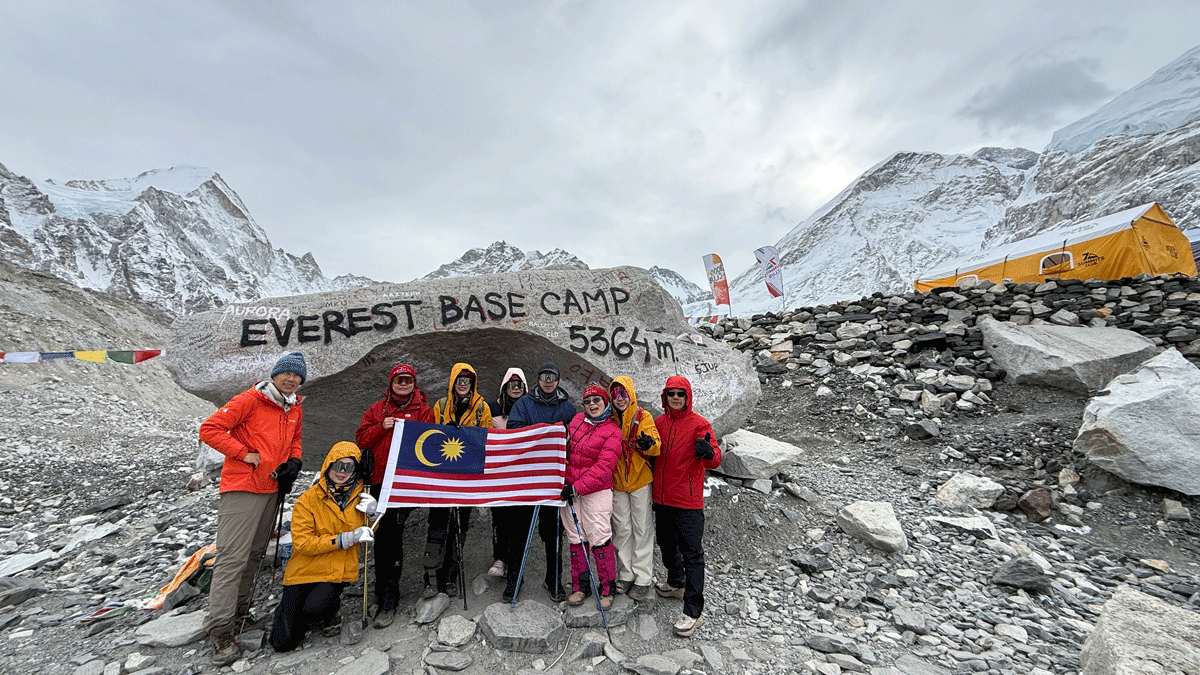
- Day 8: Trek from Lobuche to Everest Base Camp, return to Gorak Shep
- Day 9: Early morning climb to Kalapatthar, trek to Dzongla
- Day 10: Trek Dzongla to Cho La Pass, then to Thagnak
- Day 11: Trek Thagnak to Gokyo Lake
- Day 12: Acclimatisation day at Gokyo (optional hike to Gokyo Ri)
- Day 13: Trek Gokyo to Renjo La Pass, then to Lungden
- Day 14: Trek from Lungden to Thame, then to Namche Bazaar
- Day 15: Trek from Namche Bazaar to Lukla
- Day 16: Fly from Lukla to Kathmandu
Note: If you feel like you need more rest days during the trek, you can add them. This is important for helping you adjust to high altitudes and prevent severe altitude sickness.
Related Trip Packages

What makes the Everest Three-Passes Trek difficult?
The Everest Three Passes route is often rated as strenuous to very challenging, making it best suited for trekkers who have experience with high altitude trekking in Nepal. As for average trekkers, they need to prepare both physically and mentally. You’ll deal with high altitude, risk of altitude sickness (AMS), long walking days, steep climbs, rough trails, sudden weather changes, and very remote locations.

One of the biggest hurdles is the extreme altitude combined with tough terrain. All three snow-covered passes and Kala Patthar soar above 5,000 meters. At this altitude, the oxygen level drops to nearly 50% of sea level. Your every step becomes harder, and breathing feels heavier as you walk on steep, rocky, and sometimes icy terrain. Cho La Pass even has a glacier crossing, where you’ll need careful footing on unstable rocks and slippery ice. These sections are physically demanding and can get technical, especially in late autumn or early spring when snow and ice linger.
Similarly, you’ll often walk 6 to 7 hours per day. Some days, like the pass-crossing days, stretch even longer up to 8 or 9 hours, depending on your pace. And since these are less-travelled, remote routes, they’re not always clearly marked. If you’re not with a guide, navigation can be tricky, especially in fog, snow, or poor visibility. Missing a trail sign or making a wrong turn on an exposed slope isn’t just inconvenient; it can be dangerous.
Another major challenge is the weather. At higher altitudes, temperatures can drop below -15°C at night and in early mornings during late autumn (Nov) and early spring (March). Even in peak seasons like October or April, nights are freezing above 4,500m. Plus, you can start with a nice sunrise, but it can turn to snowfall within hours. If you’re not properly geared, this can lead to hypothermia or frostbite.
To make things more complicated, the trek passes through remote villages with limited medical or rescue support. Food and lodging both are simple, and if you fall ill or get injured, evacuation won’t be quick. So, you’ll need to be self-reliant and conscious. If you don’t take a porter, you yourself need to carry essential items on long stretches. Even if you’re fit, carrying a load for 10-12 days invites fatigue, especially if you’ve never had a high-altitude trek in Nepal.
While all these factors add to the overall difficulty, they also enrich the journey. Focus on the venture like the Sherpa wisdom that believes “Travel is not about reaching a destination, but about how the path changes you.”
How to Overcome The Difficulties of the Everest Three-passes Trek
To overcome the Everest Three High Passes Trek challenges, you need a determined mind and preparation. Here’s how to make the journey safer, smoother, and more rewarding:
- Prioritise Acclimatisation: Spend extra nights at Namche Bazaar, Dingboche (Chhukung), and Gokyo to let your body adjust gradually. These pauses reduce the risk of altitude sickness and help you feel stronger on the passes.
- Condition Your Endurance: Train with hiking, cardio, and leg-strengthening exercises for several weeks before you go. This builds stamina for 6:7 hours of daily trekking on steep and uneven trails.
- Travel with Experienced Support: A licensed guide doesn’t just lead the way; they monitor your health, assess weather and trail conditions, and help handle challenges in these remote areas.
- Pack with Purpose: Bring layered clothing for -15°C conditions, a dependable sleeping bag, trekking poles, water purification tools, and light snacks. A lean, well-prepared pack will keep you comfortable without slowing you down.
- Stay Hydrated and Well-Fueled: Drink at least 3-4 liters of water per day and eat plenty of carbohydrate-rich meals to keep your body warm and energized.
- Plan for Changing Weather: Even in peak seasons, snow or storms can slow progress. Carry waterproof layers and keep buffer days in your schedule so you never have to rush crossings.
- Adapt to Remote Living: Higher-altitude teahouses are simple, with shared facilities and minimal comforts. Expect it, embrace it, and it becomes part of the experience.
- Mental preparation for long treks: Some days will feel long, but pacing yourself and staying positive will carry you through. Each pass is conquered step by step, not all at once.
Best Time to Experience Everest’s Three Passes
The best time to take on the Everest Three High Passes Trek is during spring (March to May) and autumn (September to November). These seasons offer the clearest skies, milder temperatures, and more stable weather conditions that make the high passes safer and the views unforgettable.

In spring, rhododendron forests bloom in the lower trails, and snow lingers on the passes, creating a striking contrast against the blue skies. Autumn brings crisp, dry air and unmatched visibility, making every peak and glacier stand out in sharp detail. While both seasons see trekkers on the trail, the Three Passes route is far less crowded than the classic Everest Base Camp trek, so you’ll still find quiet stretches to yourself.
Gear Up and Get Ready
Planning for the Everest Three High Passes Trek starts long before you set foot on the trail. This route is demanding, so preparation is as important as the trek itself. Here’s what to cover before you go:
- Secure the Right Permits: You’ll need a Sagarmatha National Park entry permit and a Khumbu Pasang Lhamu Rural Municipality permit. Most agencies can arrange these for you.
- Prepare Physically: Train for 6-7 hours of trekking a day with cardio, strength, and stair climbs for at least a month beforehand.
- Set a Realistic Budget: The trek usually costs more than the standard Everest Base Camp route due to its length. Factor in permits, flights, guides, porters, gear, food, and extra days for weather or rest.
- Hire Guides and Porters: A licensed guide ensures safety and navigation, while a porter can carry your heavier gear so you can focus on the hike itself.
- Get Travel Insurance: Choose a plan that covers high-altitude trekking (up to 6,000 m) and emergency helicopter evacuation, as medical facilities are limited in remote areas.
Proper preparation not only makes the trek safer but also allows you to enjoy the experience instead of stressing over logistics.
Book Your Adventure Today
The thrills on the Everest Three High Passes Trek demand time, endurance, and a willingness to withstand thin air and remote trails. It isn’t for everyone, but for those ready to take it on, it delivers something far greater than the usual route to reach Everest Base Camp. You complete a complete circuit trekking through Khumbu region. This three-pass trek offers views that trekkers often miss, as they opt for the main route.
Ask yourself: Are you ready for the triple challenges and the rewards that come with them? If the answer is yes, start planning your journey with Hillary Step Trek for your next adventure. Contact Us today. We will be more than happy to make this Himalayan circuit your best Everest experience for a lifetime.