


Every spring and autumn, the legendary Everest Base Camp trail becomes crowded. With thousands of trekkers walking the same dusty paths, it turns into a highway rather than a remote mountain route. But trekking amidst such a crowd may not be everyone’s cup of tea. Some may prefer solitude as part of the Himalayan trekking experience.
If you dream of the Himalayas but not the chaos, there’s a quieter and surprisingly more stunning alternative to Everest Base Camp Trek: the Gokyo Ri Trek. This route trades the streams of trekkers for serene valleys, turquoise lakes, and even the amazing view of Mount Everest. It’s truly a rare EBC adventure that allows you to explore and truly feel the Everest region.
How Gokyo Ri is the Quieter Alternative to EBC Trek

The Gokyo Ri trekking route offers a peaceful escape from the crowds typically found along the Everest Base Camp (EBC) trek trail. While both treks lie within the Everest (Khumbu) region and share part of the route, the path to Gokyo Ri branches off after Namche Bazaar, leading trekkers into a quieter, less-traveled valley. It has longer stretches between villages, fewer teahouses, and the added challenge of steeper climbs and higher altitudes. Trekkers who venture on this lesser-known path are rewarded with stunning views of the Gokyo Lakes, the Ngozumpa Glacier (Nepal’s largest glacier), and a panoramic view of Cho Oyu, Lhotse, Makalu, and Everest itself from the top of Gokyo Ri (5,357m).
Traffic Statistics Along the Dudh Koshi Corridor
Each year, about 40,000 trekkers walk the EBC trek route. During the best trekking seasons, Spring (March to May) and Autumn (September to November), the trail can see as many as 2,000 people walking daily between Lukla and Namche. This heavy traffic makes the trail congested. If you travel during this time, you might have to wait for rooms and food. The trail can feel congested, making it harder to enjoy the natural tranquility of the Himalayas. It’s not constant, but those bottlenecks occur frequently enough to slow your pace and test your patience.
In contrast, the Gokyo Ri trekking route is chosen by only around 5,000 to 7,000 trekkers per year. While it also begins in Lukla and passes through Namche Bazaar, it diverges toward the Gokyo Valley after Dole, leading to far fewer people on the trail. This significantly reduced foot traffic offers a more peaceful and personal trekking experience near the Everest region.
Lodge Availability and Spacing Between Dole, Machhermo, and Gokyo Village
One key difference between the Gokyo Ri trek route and the main EBC route is the availability of teahouses. The Gokyo trail passes through smaller, less-developed settlements, including Dole, Machhermo, and Gokyo Village. These stops have fewer teahouses, and the distance between them can be longer than on the EBC trail.
However, what they lack in quantity, they make up for in quality. The lodges here are quiet, cozy, use solar power, and are committed to maintaining an eco-friendly environment. Because of limited infrastructure and bed space, the Gokyo Valley remains peaceful and protected from over-tourism. This helps preserve the region’s fragile ecosystem while still allowing trekkers to enjoy authentic Himalayan hospitality.
Locating Gokyo Ri and the Emerald Lakes Valley
The Gokyo Valley is located to the west of the main Everest Base Camp route, in Nepal’s Solukhumbu District within Sagarmatha National Park. It lies about 50 km northwest of Lukla, the starting point of all Everest treks. After reaching Namche Bazaar, the trail diverges from the EBC route and heads toward Dole and Machhermo. Then, the trekking trails climb gradually through forests and high pasturelands and reach Gokyo Valley.
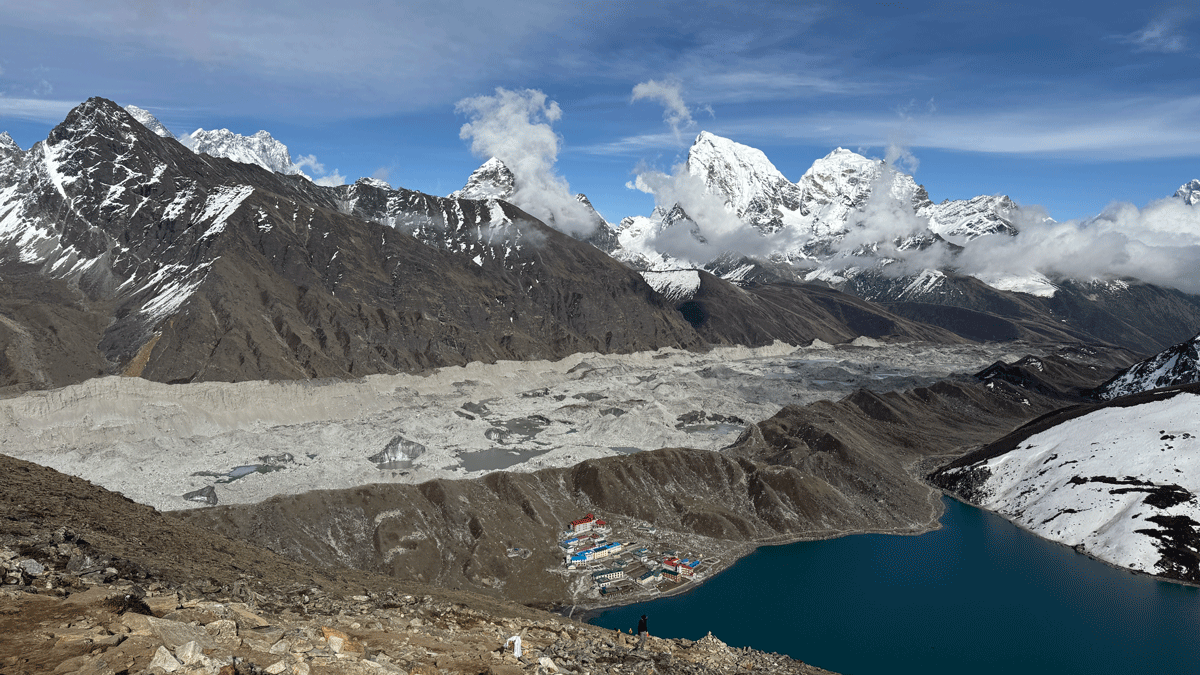
At the heart of the valley lie the chain lakes. These Gokyo lakes altitudes range from 4,700 to 5,000 m. They are among the highest freshwater lake systems in the world and hold great religious and ecological significance. Towering above the lakes is Gokyo Ri (5,357 m), a rocky summit that overlooks Everest,the highest mountain on the planet,andthe Ngozumpa Glacier, the longest glacier in the Himalayas.
Key Waypoints from Lukla to Gokyo Village
On your trek to Gokyo, you’ll enter Sagarmatha National Park and pass through a chain of mountain villages. Each stop helps you rest, refuel, and get used to the altitude before moving higher:
- Phakding (2,610 m): It sits along the Dudh Koshi River and is your first overnight stop. It just takes about 2–3 hours from Lukla, giving you an easy start to the trek.
- Namche Bazaar (3,440 m): It is a busy Sherpa town about 7 hours from Phakding. You also spend your third day here resting and acclimatizing, exploring the markets and short trails before heading higher.
- Dole (4,110 m): It is a quiet village roughly 7 hours from Namche. With only a few teahouses, it feels calm and uncrowded, perfect for a peaceful night.
- Machhermo (4,470 m): It is 4 hours beyond Dole and serves as your last stop to adjust to the thinner air before reaching Gokyo.
- Gokyo Village (4,790 m): It lies beside the Third Gokyo Lake, about 4 hours from Machhermo. This is where you stay before your sunrise hike to Gokyo Ri.
Altitude Gains and Acclimatization Breaks
As you trek to higher altitudes on the Gokyo Ri route, gradual ascent and proper acclimatization are essential to avoid altitude sickness. We designed the rest days and careful elevation gains to give your body the time it needs to adjust to the thinning air. Here’s how our 10-day Gokyo Ri Trek itinerary manages altitude gains and ensures safe acclimatization at each stage:
| Day | Trek Segment | Altitude Gain or Loss | Acclimatization Purpose |
|---|---|---|---|
| Day 1 | Fly to Lukla from Kathmandu or Manthali, then trek to Phakding | +1,460m | Gentle start with minimal altitude gain to help adjust gradually. |
| Day 2 | Trek from Phakding to Namche Bazaar | +830m | Gradual ascent to Namche (3,440m) to start adjusting to higher altitudes. |
| Day 3 | Rest day at Namche Bazaar | – | Acclimatization at 3,440m to give the body time to adapt before the next ascent. |
| Day 4 | Trek from Namche to Dole | +670m | Steady ascent to Dole (4,110m), continuing the gradual progression in altitude. |
| Day 5 | Trek from Dole to Machhermo | +360m | Further gain in elevation, reaching Machhermo (4,470m), to continue adjusting. |
| Day 6 | Trek from Machhermo to Gokyo Lake | +320m | Gradual climb to Gokyo (4,790m), helping the body acclimatize for the Everest High region trek. |
| Day 7 | Early morning hike to Gokyo Ri, return to Machhermo or Dole | +567m | Highest point of the trek at 5,357m, followed by a return to a lower elevation (MachhermoorDole) to help with acclimatization. |
| Day 8 | Trek from Machhermo or Dole to Namche Bazaar | -1,030m | Descent to Namche (3,440m) helps the body recover at a lower elevation, aiding in acclimatization. |
| Day 9 | Trek back to Lukla | -580m | Final descent back to Lukla (2,860m) for a safer return to a lower altitude. |
| Day 10 | Fly back to Kathmandu or Manthali | – | Return to Kathmandu, allowing full recovery at a lower altitude. |
Related Trip Packages
Lakes, Peaks, and Sunrise from Gokyo Ri

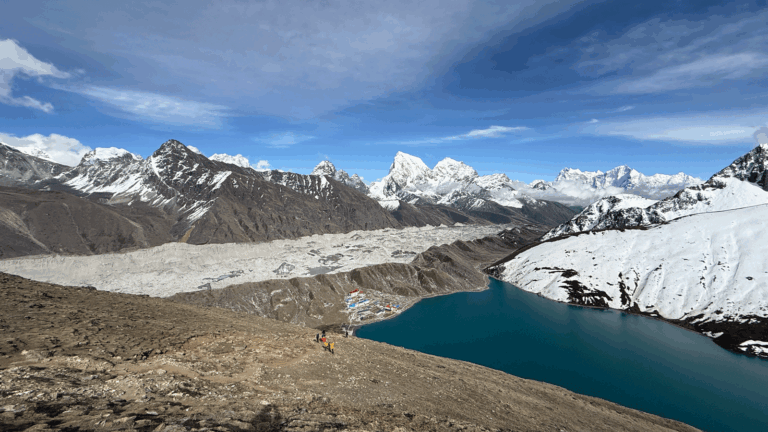
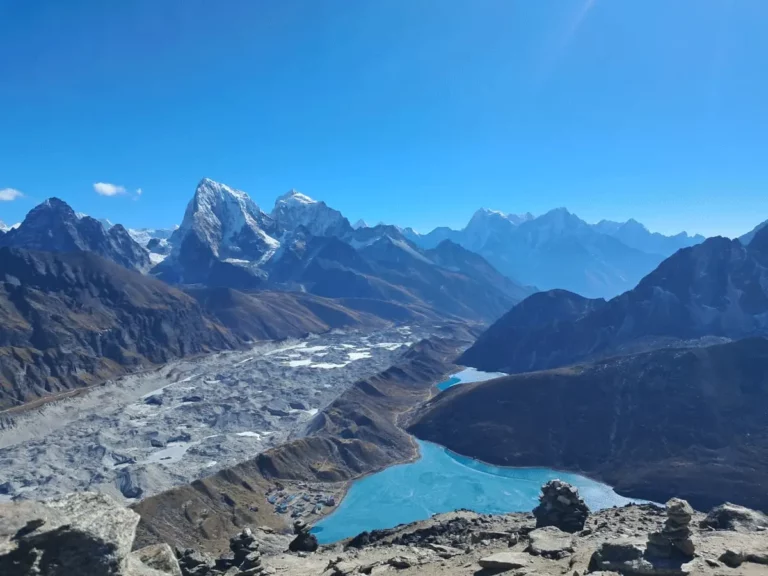
Climbing Gokyo Ri isn’t just about reaching 5,357 m; it’s about standing above a chain of turquoise lakes, known as the Gokyo Lakes, and taking in some of the most sweeping mountain views in the Khumbu region. As you look around, you’ll be surrounded by towering Himalayan mountains stretching across the horizon, creating a breathtaking panorama. You should hike at dawn to watch the Gokyo Ri sunrise views, which spill golden light over the lakes and mountains, with the sky fading into soft pinks and oranges.
The Five Gokyo Lakes and Their Vantage Spots
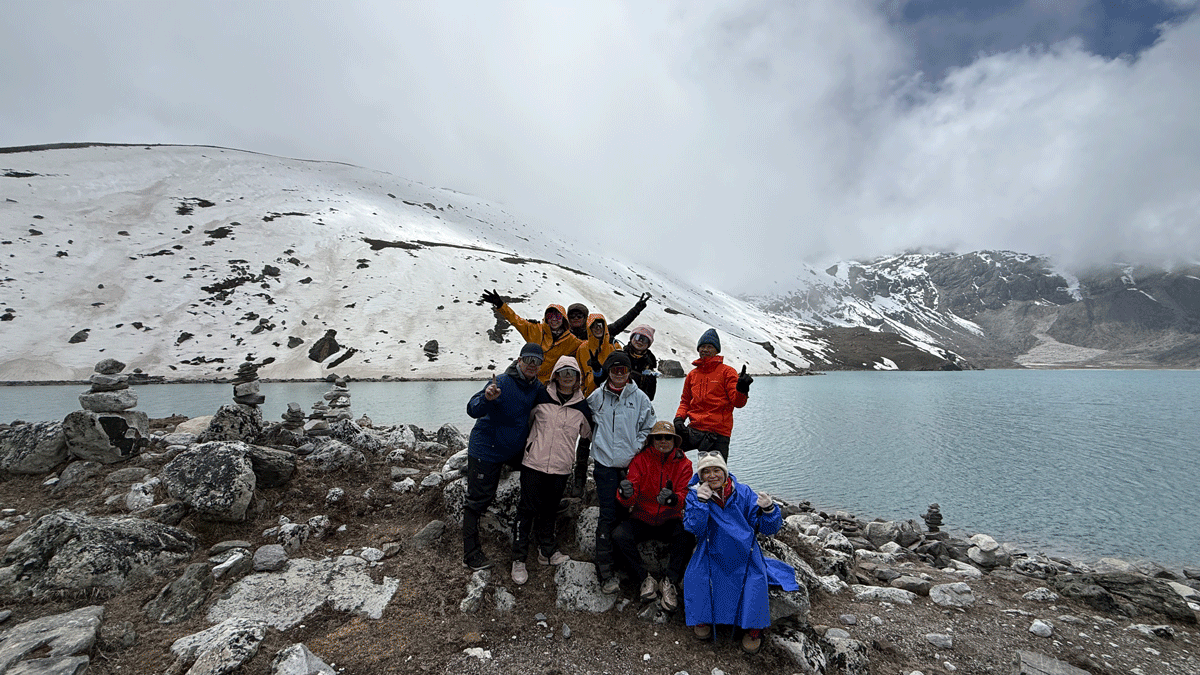
The Gokyo Lakes are a cluster of five freshwater lakes situated high in the Himalayas at altitudes ranging from 4,700 to 5,000 m. These lakes owe their stunning blue-green color to the glacier meltwater from the nearby Ngozumpa Glacier. Together, they form a peaceful alpine oasis that gently winds through the valley, reflecting the surrounding snow-capped peaks. They also hold profound spiritual importance for both Hindus and Buddhists. Local Sherpa communities consider these waters sacred, believing them to be the abodes of deities.
- First Lake (Thonak Tsho) – approx. 4,700 m: The largest and deepest, this broad oval lake offers peaceful reflections of nearby snow-capped ridges and distant mountains like Cho Oyu. Sacred to Sherpas, it hosts pilgrimages during special times. You can spot the rugged valley walls and glaciers from its quiet shore, just a short detour off the main route.
- Second Lake (Dudh Pokhari) – approx. 4,755 m: Known as “Milk Lake” for its milky blue-green tint, it lies right beside the trail. Here, you’ll catch calm water views framed by steep ridges and see local rituals performed on its shores. The lake offers clear views of surrounding peaks and is a perfect spot to pause before heading to Gokyo Village.
- Third Lake (Longponga Tsho) – approx. 4,790 m: This bright turquoise lake is the most photographed one. On clear days, it perfectly reflects trekking peaks like Everest and Lhotse. Being right next to the village, it’s the easiest lake to access and enjoy.
- Fourth Lake (Gyazumpa Tsho) – approx. 4,940 m: Long and narrow, with darker waters, this remote lake sits surrounded by steep rocky ridges. It offers dramatic views of the Ngozumpa Glacier and the towering peaks that surround it. It is less trekked, so it’s ideal if you want a quiet moment with wild, raw nature.
- Fifth Lake (Ngojumba Tsho) – approx. 5,000 m: It is the smallest and highest lake of the five. However, it offers the best views over the Ngozumpa Glacier, Cho Oyu, and other Himalayan giants. Its icy blue waters mirror the rugged cliffs, making it a rewarding trekking destination for experienced trekkers willing to take an intense hike.
Cho Oyu, Everest Quadrant, and Surrounding Summits from Gokyo Ri Ridge
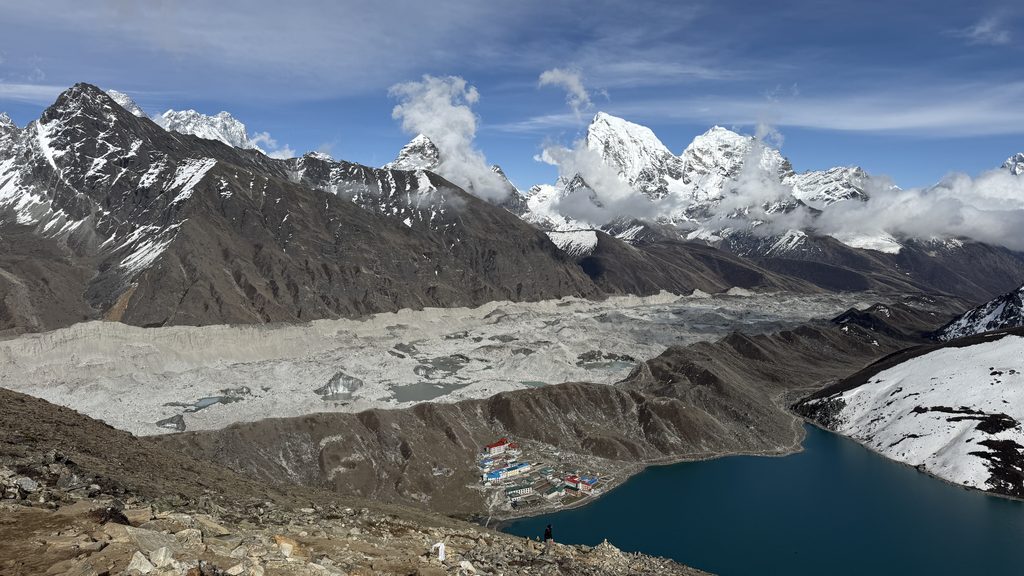
From Gokyo Ri’s summit, you get a full 360-degree view of four of the four highest mountains in the world. Your eyes will immediately catch Everest (8,848 m), Lhotse (8,516 m), and Makalu (8,463 m), towering proudly on the southeast, impossible to miss. As you turn northwest, Cho Oyu (8,188 m) grabs your attention, standing tall above the vast Ngozumpa Glacier below.
Nearby, the sharp pyramid of Ama Dablam also draws your eyes, demanding attention like a bold little sibling standing tall beside its giant neighbors. Though it’s “just” 6,812 m, it looks enormous, stealing the spotlight in its own way. Then, the view of peaceful Gokyo Lakes, shimmering quietly in the valley below, framed by rugged, snow-covered ridges, awaits you.
Trek Length, Difficulty, and Day-by-Day Rhythm
The Gokyo Ri Trek takes 10 days from Lukla, with altitudes rising from 2,800 m to 5,357 m at the summit of Gokyo Ri. While it avoids the crowds of the Everest Base Camp route, this trek is no gentle stroll. You’ll hike for 5–7 hours daily, cross steep ups and downs between villages, and spend several nights above 4,500 m, where thinner air and colder nights demand proper preparation.
Due to these challenges, it’s considered a moderate to challenging trek in Nepal. However, it is doable if you have solid fitness, pace yourself, and utilize the built-in Gokyo Ri acclimatization day at Namche Bazaar. Bring warm layers, sturdy boots, and a mindset that balances adventure with patience.
10-day sample itinerary
| Day | Route (Start → End) | Altitude | Trekking Time | Difficulty |
|---|---|---|---|---|
| 1 | Fly KathmanduorManthali → Lukla, Trek Lukla → Phakding | 2,860 m → 2,610 m | 2–3 hrs | Easy |
| 2 | Phakding → Namche Bazaar | 2,610 m → 3,440 m | 6–7 hrs | Moderate |
| 3 | Rest and acclimatize at Namche Bazaar | 3,440 m | RestorLight walk | Easy |
| 4 | Namche Bazaar → Dole | 3,440 m → 4,110 m | 6–7 hrs | ModerateorChallenging |
| 5 | Dole → Machhermo | 4,110 m → 4,470 m | 3–4 hrs | Moderate |
| 6 | Machhermo → Gokyo Village | 4,470 m → 4,790 m | 3–4 hrs | Moderate |
| 7 | Gokyo Village → Gokyo Ri summit → Machhermo | 4,790 m → 5,357 m → 4,470 m | 6–7 hrs | Challenging |
| 8 | Machhermo → Namche Bazaar | 4,470 m → 3,440 m | 5–6 hrs | Moderate |
| 9 | Namche Bazaar → Lukla | 3,440 m → 2,860 m | 6–7 hrs | Moderate |
| 10 | Fly Lukla → Kathmandu or Manthali | 2,860 m |
For the full logistics, gear checklist, and cost details, please refer to our Gokyo Ri trip package.
Teahouse Life and Sherpa Culture in the Upper Dudh Koshi
Beyond the breathtaking mountain views and physical challenges, the Gokyo Ri trek offers an authentic glimpse into Sherpa culture and hospitality in the Upper Dudh Koshi region. As the day winds down, evenings in the teahouses become a warm haven where trekkers gather around cozy fires, sharing stories while sipping butter tea or hot soup. The flicker of firelight, the scent of warm meals, and the friendly chatter create a comforting atmosphere for rest and reflection.
While familiar meals like Dal Bhat(lentil soup with rice) and Momos (steamed dumplings) are easily available, the real culinary gems lie in traditional Sherpa dishes. You can warm up with a bowl of Thukpa (handmade noodle soup), enjoy the hearty Shyakpa (Sherpa-style stew with meat and root vegetables), or try Rildok, a rare dish made from hand-pounded potato dumplings. Share these meals with fellow trekkers, guides, and porters, all enjoying thehospitality of the Sherpa hosts and bonding.
Furthermore, the Sherpa people, known for their resilience and mountaineering legacy, follow Tibetan Buddhism. As you walk along the trail, you’ll pass mani walls (stone slabs carved with sacred mantras), chortens, and prayer wheels; always move in a clockwise direction. You’ll also encounter monasteries (gompas) that welcome visitors, but quiet, respectful behavior is expected. Always remove your shoes before entering and dress modestly.
The Gokyo Lakes hold deep spiritual importance for the Sherpas, who believe the waters are home to powerful deities. Locals offer prayers and light butter lamps to honor the lake’s spiritual energy. Many pilgrims visit here and hold prayer ceremonies, especially during festivals like Buddha Purnima and Janai Purnima.
Bonus Tip: When greeting locals during your trek, a warm “Tashi Delek” goes a long way. It means “good luck” or “blessings,” and saying it with a smile opens doors to genuine Sherpa hospitality. “Namaste” works too.
Environmental Care and Low-Impact Tips
The Gokyo Valley sits above 4,500 m, where the air is thin, the soil is rocky, and plants take years to grow even a few centimeters. There are no trees to hold the ground in place, so a single step off the trail can cause erosion that lasts for decades. Trash and human waste don’t break down quickly because of the cold. Animals like snow leopards, musk deer, and rare birds also depend on this untouched environment. Here, even small, careless acts can leave lasting damage that may take a lifetime to repair.
Waste Management and Refill Stations
You’ll notice that trash doesn’t disappear quickly. This high up, the cold slows down decomposition, so even a candy wrapper can stick around for decades. That’s why you should bring a water filter or purification tablets so you don’t rely on buying endless bottles of water. Most teahouses along the Gokyo route have safe refill stations where you can top up your bottle for a small fee. Skipping single-use plastic here isn’t just a choice; it’s a matter of survival for these fragile trekking regions.
Ethical Porter and Yak Load Limits
The Gokyo Ri trek relies heavily on local porters and yak caravans; however, their work must remain fair and humane. The Nepal government has set load limits (typically around 30 kg for porters and 60–80 kg for yaks) to protect their health and safety. When you hire porters through a licensed agency, you’re also ensuring they get fair pay, proper gear, and insurance coverage. Sticking to these guidelines means your trek supports, not exploits, the people and animals that make it possible.
Route Variations to Gokyo-Ri
If the standard Gokyo Ri trek feels too short or you feel energetic or craving an extra challenge, Gokyo Ri Everest trekking options are limitless. Each route pushes your endurance but rewards you with new views and iconic passes. The most famous routes are:
Cho La link to EBC
For trekkers who don’t want to miss Everest Base Camp, you can cross Cho La Pass (5,420 m), a high-altitude route connecting Gokyo Valley to the main EBC trail. The pass itself is a mix of rocky slopes and glacier crossings. Hence, it’s a bit tougher than the standard path but worth it for its wild, panoramic views.
Full Three Passes Circuit Option
The Everest Three Passes Trek is the ultimate challenge in the Khumbu region. This option links Gokyo Ri with Kongma La, Cho La, and Renjo La passes in a loop that tests stamina while offering unmatched scenery. It’s ideal for experienced trekkers ready for long, demanding days above 5,000 m.
Longer Gokyo Lake Trek
If you’re looking to savor the Gokyo Valley without crossing technical passes, there’s also a 13‑day Gokyo Renjo La Trek that loops more gradually through the region. It lets you linger by the lakes and explore quieter side trails, like the path toward Fourth and Fifth Lakes or short detours along the Ngozumpa Glacier’s edge.
Permits Required
You need two official permits for your Gokyo Ri Trek.
1. Sagarmatha National Park Entry Permit – NPR 3,000 (about USD 25) per person.
- You can get it at the Nepal Tourism Board office in Kathmandu or at the Monjo checkpoint (on the way to Namche Bazaar).
- This permit helps fund conservation efforts inside the park.
2. Khumbu Pasang Lhamu Rural Municipality Permit – NPR 2,000 (about USD 17) per person.
- You can purchase it right when you arrive at Lukla or Monjo.
- The fee supports local infrastructure and trail maintenance.
Keep both permits on you at all times while trekking in the Khumbu region. There will be four checkpoints along the route: Lukla, Monjo, Namche, and Machhermo. Officials will inspect for record-keeping purposes, where they log your details for safety (not for payment of fees). If you don’t have them by Monjo, you will be turned back or made to purchase them on the spot.
Bonus Tip: It’s highly recommended to obtain them in Kathmandu (for the Sagarmatha National Park permit) or Lukla (for both) to save time and potential hassle on the trail, especially during the peak season in the Everest region trek.
Best Weather Windows
Most guides and locals agree that the Gokyo Ri Trek offers the best views in spring (March–May) and autumn (September–November). These months bring crisp skies, stable weather, and comfortable trekking temperatures, so clouds rarely hide the icy lakes’ glimmer in full color and the Everest panorama.
For the best views and photos, we recommend mid-October or late April. The weather is calm, the skies are clear, and the lakes reflect the mountains like a mirror. It’s peak trekking months, so there will be fellow trekkers, but you won’t feel too overwhelmed.
If you still want fewer crowds, our seasoned trekking guides suggest late November or early March. The trails are quieter but still offer excellent views. Winter (December–February) will be brutally cold, with knee-deep snow in higher elevations, while summer and the monsoon (June–August) will shroud the views in rain and fog.
Conclusion
The Gokyo Ri trek isn’t just another trip in the Everest region. It’s a journey into serenity, stunning natural beauty, and remote exploration, away from the hustle of Everest Base Camp. Walking its peaceful trails and soaking in the calm, turquoise waters of the Gokyo Lakes is a soothing experience. And the main highlight is that you stand face-to-face with some of the world’s tallest giants: Everest, Lhotse, Makalu, and Cho Oyu from one position. Our experienced guides and previous trekkers all agree that this trek offers the perfect balance of challenge and tranquility.
If you’re ready to skip the crowds and discover the untouched beauty of the Khumbu region, explore our carefully crafted Gokyo Ri Trek package on Hillary Step Treks. Plan your adventure responsibly, respect the environment and local culture, and you’ll carry the calm of Gokyo with you for a lifetime.
So, which one will be your journey to Everest Base Camp: Everest Base Camp or Gokyo Trek? Compare them side by side with our Trip Comparison Feature


