Everest Base Camp is among Nepal’s most popular and highly commercialized treks. This trek takes you to the majestic Khumbu region, very close to the highest peak in the world, Mount Everest, which lies at an altitude of 8849m from sea level.

The Everest region is trendy for its majestic mountain views and the welcoming of the Sherpa people. However, it would be best if you issued a permit to explore the EBC trek. This blog will discuss which trekking permits you must issue and the Cost for Everest Base Camp Trekking Permit.
If you are new to the EBC trek, you must remember to issue the trekking permits to be eligible to explore the regions. Hence, trekkers need to pay attention to the number of permits they have to issue and how much it costs. Otherwise, the trekking permit cost may interfere with the overall budget plan. Generally, every Nepal trek has an entry region permit and a national park or conservation area permit. In contrast, some areas of Nepal are restricted areas, so you have to pay the restricted area permit. So, let’s look at some of the licenses you need for the EBC trek in Nepal.
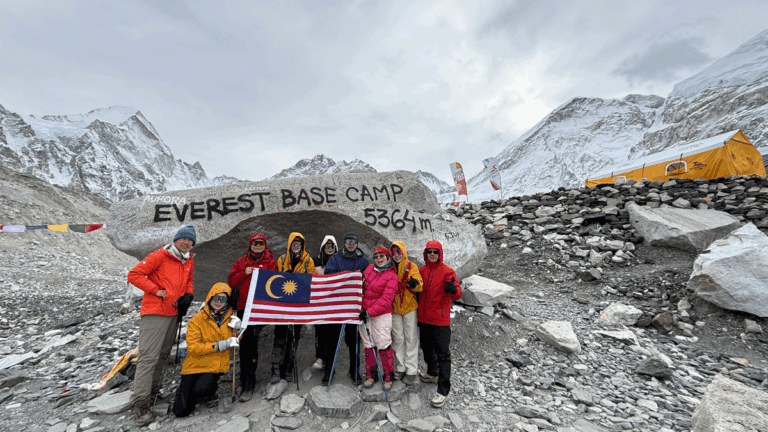
Table of Contents
Types of Permits Required
TIMS (Trekkers’ Information Management System) Card
The TIMS Card was once an essential permit that every trekker who entered Nepal must have to explore the Nepali regions. The sole purpose of the TIMS card is to record the number of trekkers entering Nepal and divide them based on their trekking destination. This permit was issued to maintain the safety and security of the trekkers as the number of missing trekkers increased since there was no record to recognize which trekking region they were visiting when they went missing.

It would be best to issue the TIMS card with a valid passport and two passport-size photos. The cost is NRS 1000 if you issue it from an authorized trekking agency and NRs 2,000 if you want to trek alone. Remember that the TIMS card is optional in most trekking regions, like Everest Base Camp. If you wish to issue a TIMS card, visit the Nepal Tourism Board office in Bhrikutimandap, Kathmandu.
Sagarmatha National Park Entry Permit
Another major trekking permit you must issue to enter the Everest region is the Sagarmatha National Park Entry Permit. This national park permit must be issued to enter Sagarmatha National Park, located at a height of over 6000m and the highest national park. The Sagarmatha National Park permit should be issued in the Tourist Service Center and the Manjo, the gateway to the Sagarmatha National Park.
The cost of the Sagarmatha National Park is different according to the nationality of trekkers: are you?
- About USD 13 for trekking guide per person: NPR 1,500
- About USD 25 per person for foreign travelers: NPR 3,000.
- About USD 13 for SAARC nationality per person: NPR 1,500
- About USD 1 for Nepali people: NPR 100
The primary purpose of the Sagarmatha National Park entry permit is to help protect nature and control the number of trekkers to keep the environment clean and healthy. Furthermore, the Sagarmatha National Park is the epitome of many endangered species of plants and animals, like red panda, musk deer, snow leopard, black bear, musk deer, etc. So be sure to issue the Sagarmatha National Park entry permit to explore the national park and be eligible for the region that takes you to the EBC trek.
Khumbu Pasang Lhamu Rural Municipality Entrance Fee
Before entering Sagarmatha National Park, you must issue a free Khumbu Pasang Lhamu Rural Municipality entry permit. After this permit became available, the TIMS card became optional for trekkers, who had to show it before entering the Khumbu region. You can issue the Khumbu Lhamu Rural Municipality either in the Nepal Tourism Board office in Kathmandu, in the tourism center in Lukla, or the Sagarmatha National Park gateway in the Monjo region.
The Khumbu Rural Municipality Entrance fee is about Rs 2000 per person, but if you stay for more than four weeks, the fee increases to Rs 2,500 per person.
Cost for Everest Base Camp Trekking Permit Breakdown
| Permit | Purpose | Required | Cost (Foreigner) | Cost (SAARC) | Cost (Nepali) | Where to Obtain |
| TIMS Card (Optional) | Record trekker numbers and destinations | Now Optional for Everest Base Camp | NRS 2,000 | NRS 1,000 | NRS 100 | Nepal Tourism Board (Kathmandu) |
| Sagarmatha National Park Entry Permit | Entry to Sagarmatha National Park | Mandatory | USD 25 (NRs 3,000) | USD 13 (NRs 1,500) | USD 1 (NRs 100) | Tourist Service Center (Kathmandu) or Monjo |
| Khumbu Pasang Lhamu Rural Municipality Entry Fee | Entry to Khumbu Pasang Lhamu Rural Municipality | Mandatory | USD 20 (NRs 2,000) | N/A | N/A | Nepal Tourism Board (Kathmandu), Lukla Tourism Center, or Monjo |
Additional Costs and Considerations
Permit Fees for Children and Senior Citizens
Age-Based Discounts
The aged base discounts for these permits only apply to the Sagarmatha National Park entry permit. For example, children and senior citizens won’t get discounts on the other two trekking permits. However, children under 10 can explore the Sagarmatha National Park for free. On the other hand, citizens over 60 years old have a 50% discount. However, carry all the necessary documents before heading out for your trek to get the desired discounts or free entry.
Required Documentation
You must submit essential documents and testimonials to obtain the Everest Base Camp Trek permits. Here are the required documents:
– Passport: Your passport must be valid for at least six months.
– Valid Visa: You must provide copies of your valid visa. Make sure the visa covers the duration of your Everest Base Camp Trek. You can get your visa from the Nepalese Embassy or upon arrival at Tribhuvan International Airport.
– Copies of Photos: You need physical and digital copies of passport-sized photographs for permit forms.
– Fees: You must pay the designated fees for each Everest Base Camp Trek permit.
Penalties and Fines for Not Having Proper Permits
The Nepal government is stringent about everyone having a permit to trek the Everest region. First, you need two to three licenses for the Khumbu region: the municipality permits national park permits. In some checkpoints, you may also have to issue the TIMS card. So, if you are caught without entry permits during your EBC trek, there will be huge repercussions. Some of the penalties that you will endure if you are caught without the licenses are:
- If you don’t have the Sagarmatha National Park permits, you could be fined up to $22,000.
- Once you are caught without the trekking permits, the authority has every right to turn you back and deport you to your country.
- You will also be kept on the blocklist, banned from future treks, and even from entering the country.
- If you don’t have permits and if you have some sketchy background, then the authorities have the right to imprison you and then send you back to your country.
- Sometimes, if you don’t trek via the regular trails, you may have to issue a separate national park permit, such as a Gaurishankar Conservation Area Permit.
Conclusion
Hence, it is essential to be wary about the cost of the Everest Base Camp Trek and budget your trek accordingly. You need three to four trekking permits, including the Khumbu municipality permit, Sagarmatha National Park permit, and TIMS Card. If you are trekking from the Jiri route, you must issue the Gaurishankar Conservation Area Permit.
Remember that these permits are exceptional; you must keep them with all necessary documents. We hope our blog will give you a decent idea of how many trekking permits you need, how much each trekking permit costs, and what kind of penalties you will face if you don’t have these trekking permits.
FAQs
Expand AllHow much does Everest Base Camp trek cost?
How much does it cost to trek to Everest Base Camp for Nepali people?
How much is a permit for Everest Base Camp?
What is the currency in Everest Base Camp?
How much money do I need to go to Everest Base Camp?