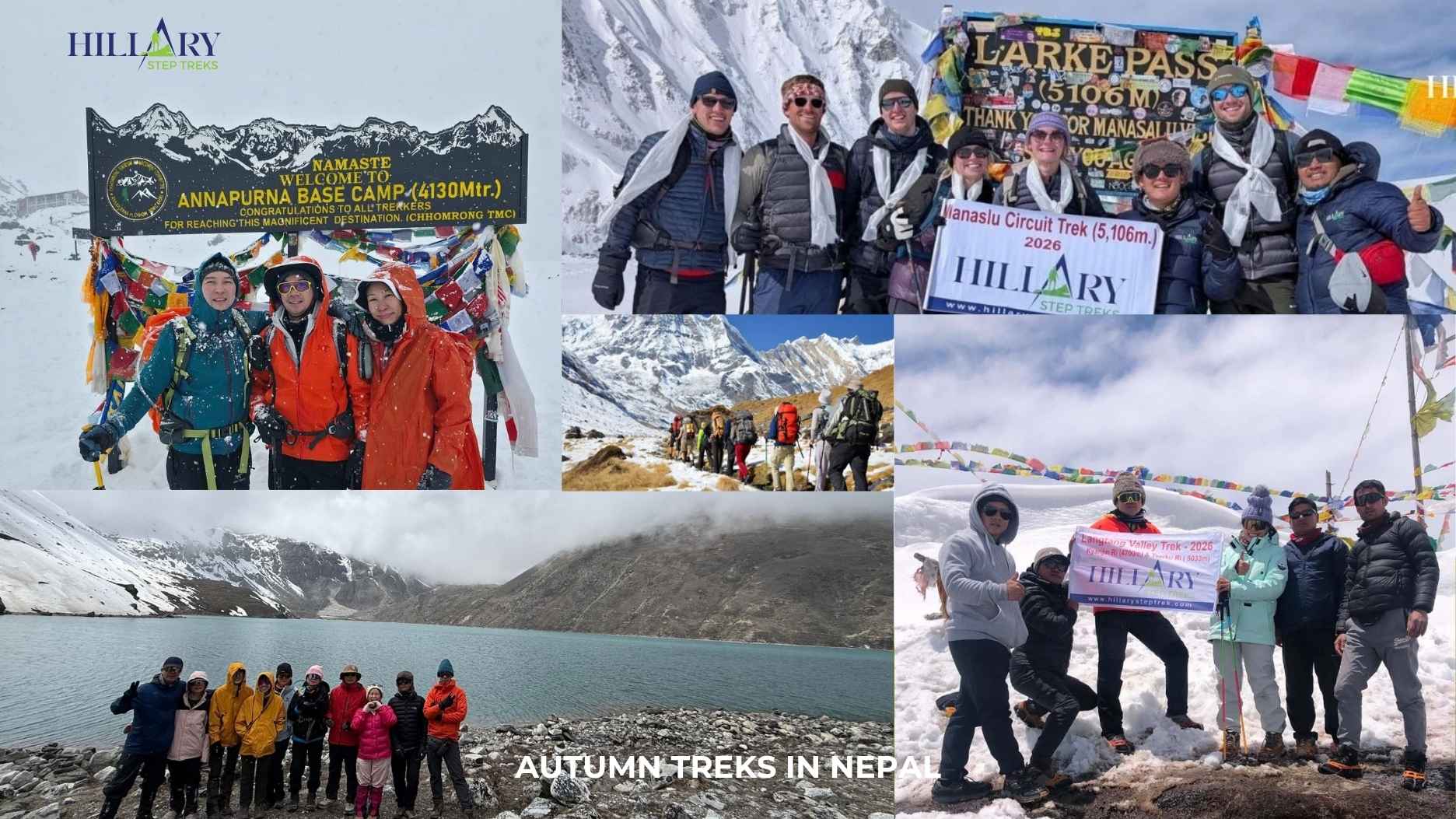
Autumn treks in Nepal run from late September to November, and this is one of the best times to be on the trail. It is the stretch after the monsoon and before the coldest weeks of winter, and it is the window most of these trip pages name when they list a best season.
During the autumn season, the monsoon rain has mostly cleared, the skies become clearer, and mountain views are often at their best. The season also brings more trekkers to Nepal’s popular routes. Everest Base Camp and Annapurna Base Camp can be busy in October, while quieter routes such as Langtang Valley and Mardi Himal offer a more peaceful experience.
This guide is for a traveler who wants to compare routes before choosing. It uses the same fields for 10 treks: who it suits, why autumn is on the page, how long that trek takes, how hard it is graded, how high it goes, what it says about other people on the trail, one practical constraint, and who should look at a different route.
Why Autumn Is the Best Time for Trekking in Nepal
Autumn is a popular trekking season because the monsoon has ended and the weather is generally more stable. Rain becomes less common, mountain views improve, there are clear blue skies, and the main trekking routes are open. The lower hills are still green after the monsoon. Higher mountains are covered with snow, which creates clear views along many of the major trekking routes.
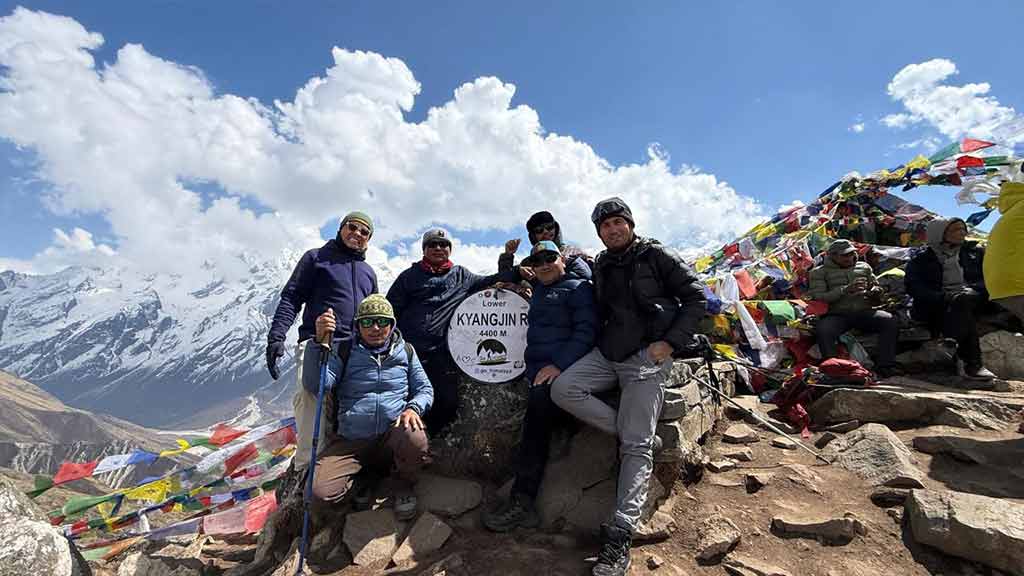
October is usually the busiest month. The weather is often pleasant during the day, but nights become cold at higher elevations. Teahouses on popular routes can also fill up quickly. It’s also the month when two popular festivals of Nepal (Dashain and Tihar) fall. Likewise, November brings colder nights but often also clear mountain views. The number of trekkers usually starts to drop later in the month, especially on the higher routes.
The best autumn trek for you depends on more than the weather. Consider the trek duration, highest altitude, difficulty, and trail traffic before choosing a route.
September, October or November: Which Month Is Best?
October is the popular month. November is the clearer, colder choice. September is the month you take only if you accept leftover rain at the start.
Trekking in Nepal in September
September marks the beginning of the autumn trekking season. The first part of the month can still see some monsoon rain, especially in the lower hills. Conditions generally improve toward the end of September.
If you plan to trek in September, the final weeks of the month are a better choice for many high-altitude routes. Lower and mid-altitude treks can also be considered earlier in the month, depending on current weather conditions.
Trekking in Nepal in October
October is the most popular month for autumn trekking in Nepal. The weather is generally stable, the skies are often clear, and mountain views can be excellent.
The main trekking routes are open and busy during this period. Everest Base Camp and Annapurna Base Camp see many trekkers, so teahouses can fill up quickly. Starting your walking day early can give you more choice when looking for accommodation.
October can also be cold at higher elevations. Even when Kathmandu and lower villages feel warm during the day, temperatures near 4,000m and above can drop sharply at night.
Trekking in Nepal in November
November is another good month for trekking in Nepal. The days can remain clear and dry, while the nights become colder as winter approaches.
Early November is still part of the main trekking season. Later in the month, temperatures drop further at high elevations, and some high-altitude lodges may begin to close.
November can suit trekkers who prefer quieter trails and do not mind colder nights. A warm sleeping bag and suitable layers become especially important for high-altitude treks.
October or November: Which Is Better for Trekking?
October and November both offer good conditions for trekking, but they have different advantages.
October is a good choice if you want the classic autumn trekking experience. The weather is generally stable, and the main trails have plenty of open teahouses. It is also the busiest period.
November can be a better fit if you prefer quieter trails and clear mountain views. However, temperatures are lower, especially at higher elevations.
For first-time trekkers, October is often the easiest month to plan around because most trekking services are operating at full capacity. If you are comfortable with colder nights, November can also be a good option.
What Are the 10 Best Autumn Treks in Nepal?
Nepal has autumn treks for different fitness levels, trip lengths, and trekking interests. Some routes take you to famous mountain destinations, while others offer quieter trails with views of the Himalayas.
The 10 treks below cover a range of experiences. They include popular routes such as Everest Base Camp and Annapurna Base Camp, along with shorter and less crowded options.
When choosing a trek, look at more than the highest point. Trek duration, altitude gain, daily walking hours, accommodation, and trail conditions all affect the overall experience.
Here are 10 popular autumn treks in Nepal to consider:
- Everest Base Camp Trek
- Annapurna Base Camp Trek
- Annapurna Circuit Trek
- Gokyo Valley Trek
- Langtang Valley Trek
- Mardi Himal Trek
- Manaslu Circuit Trek
- Tamang Heritage Trek
- Upper Mustang Trek
- Ghorepani Poon Hill Trek
Everest Base Camp Trek
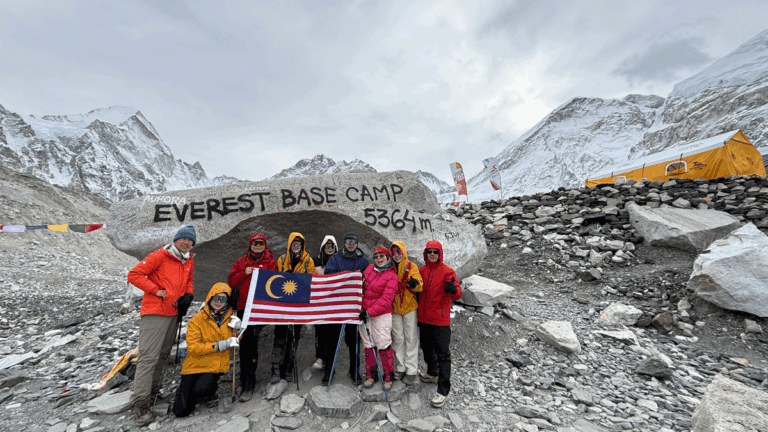
The Everest Base Camp Trek is the autumn trek most people picture first. The trail leads through the Khumbu Valley to the base of the world’s highest mountain, Mount Everest, also called Sagarmatha in Nepal. The journey begins after a flight to Lukla and takes 14 days.
You stay in lodges and teahouses along the route. The highest point is Kala Patthar at 5,545m. The trek is moderate to challenging. You do not need climbing experience or previous Himalayan trekking experience. However, you need to be ready for long walking days, cold mornings, and thinner air at higher elevations.
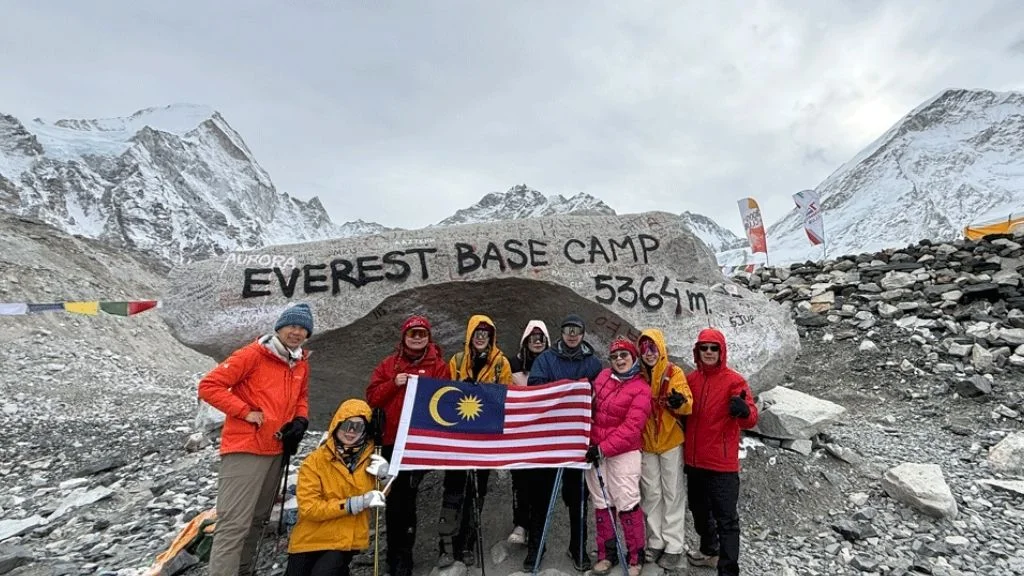
October to December is a good time for this trek. Autumn suits first-time visitors who want to see Everest in clear weather. Take the full 14 days and keep the acclimatization days in the plan. It gives your body time to adjust before you reach the higher villages.
What goes wrong: Some trekkers focus only on the final height of 5,545m. Altitude problems often begin before Kala Patthar. Headaches, poor sleep, loss of appetite, and unusual tiredness should not be ignored. Walk slowly, drink enough water, and listen to your guide if they ask you to rest or descend.
- Best for: Trekkers who want the classic Everest experience and have about two weeks available.
- Duration: 12 to 14 days
- Difficulty: Moderate to challenging
- Maximum altitude: 5,545m
Annapurna Circuit Trek
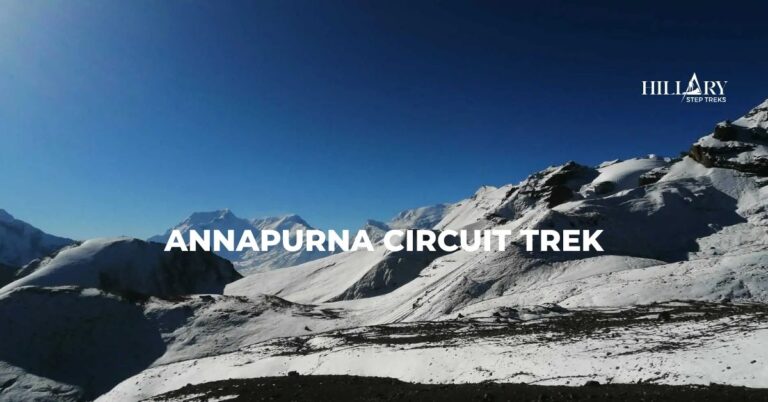
The Annapurna Circuit Trek is a long Himalayan trek with a changing landscape throughout the journey. The route passes through farmland, river valleys, traditional villages, dry mountain landscapes, and high Himalayan terrain.
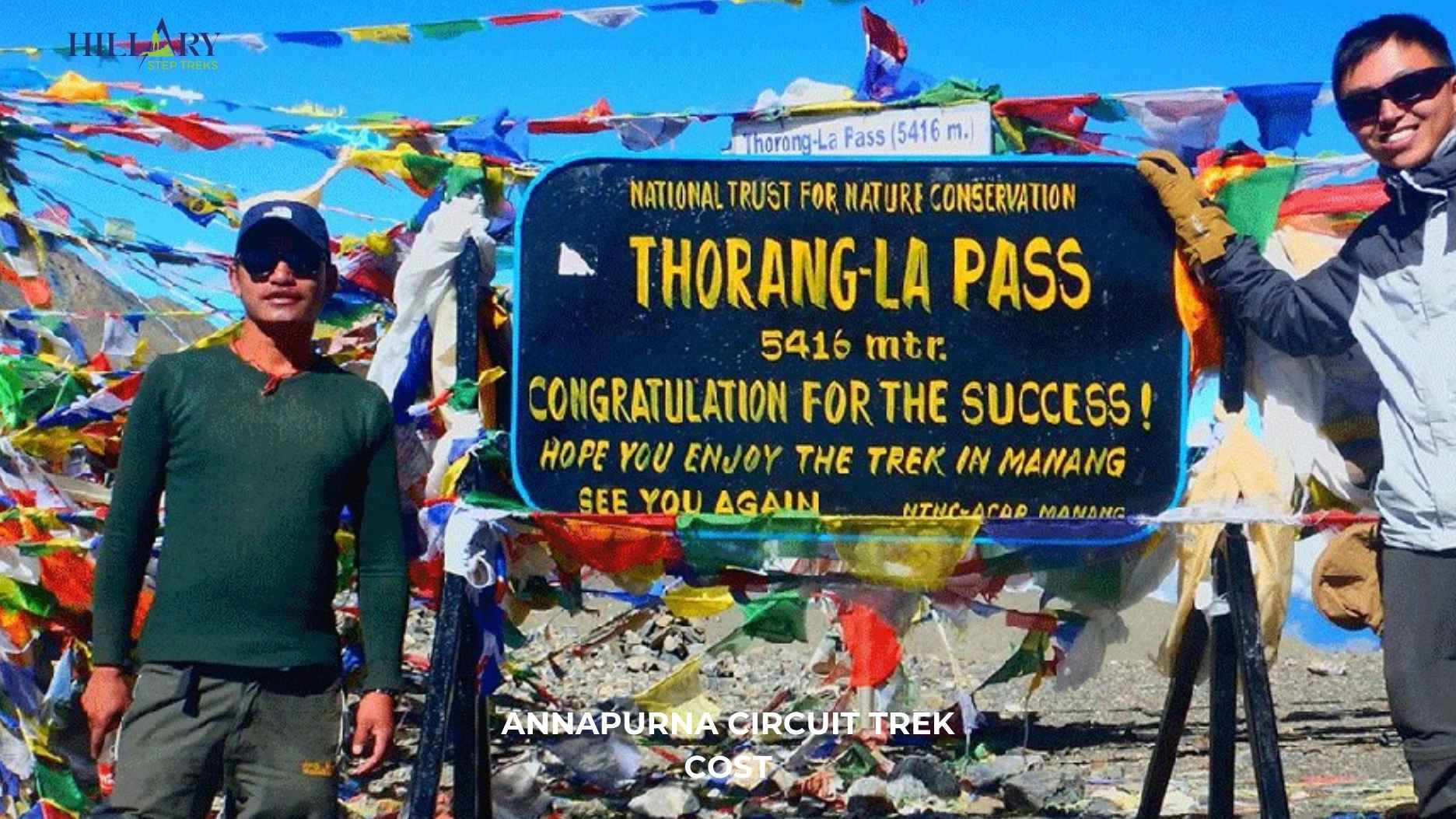
The journey takes around 14 to 20 days. Thorong La Pass is the highest point at 5,416m. The trek is challenging because of the length, the changing altitude, and the cold pass crossing. Nights are spent in lodges, with some hotel stays before or after the trek.
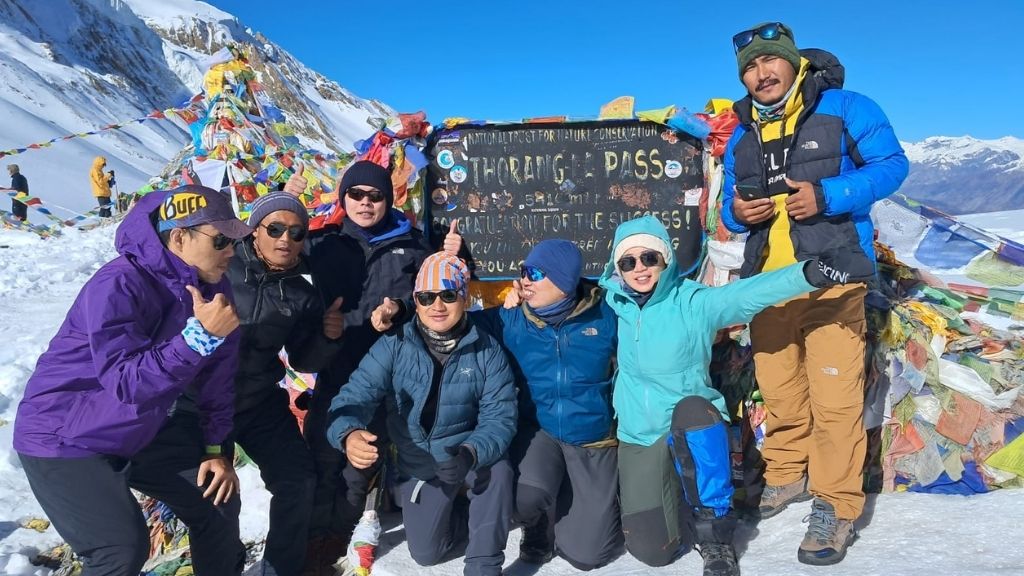
Autumn, especially September to November, is one of the best times for the Annapurna Circuit. The weather is usually more stable, the trails are dry, and Thorong La is more likely to be open.
Choose this trek if you want one journey with many landscapes. It suits fit trekkers who have enough time and can handle long walking days. A rest day in Manang is important. It helps your body prepare for the higher part of the route.
What goes wrong: Some people remove the acclimatization day to shorten the trek. This is risky. Thorong La is not an optional part of the route. It is the main challenge of the trek. If you have less time, choose a shorter Annapurna route instead.
- Best for: Trekkers who want a long route with varied landscapes and a high mountain pass.
- Duration: About 14 to 20 days
- Difficulty: Challenging
- Maximum altitude: 5,416m
Annapurna Base Camp Trek
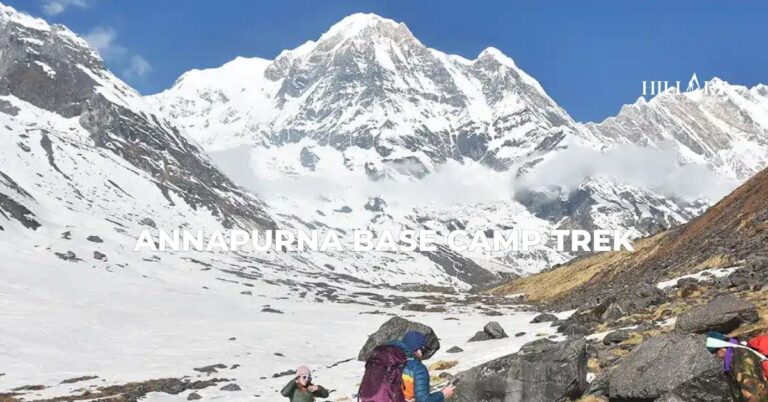
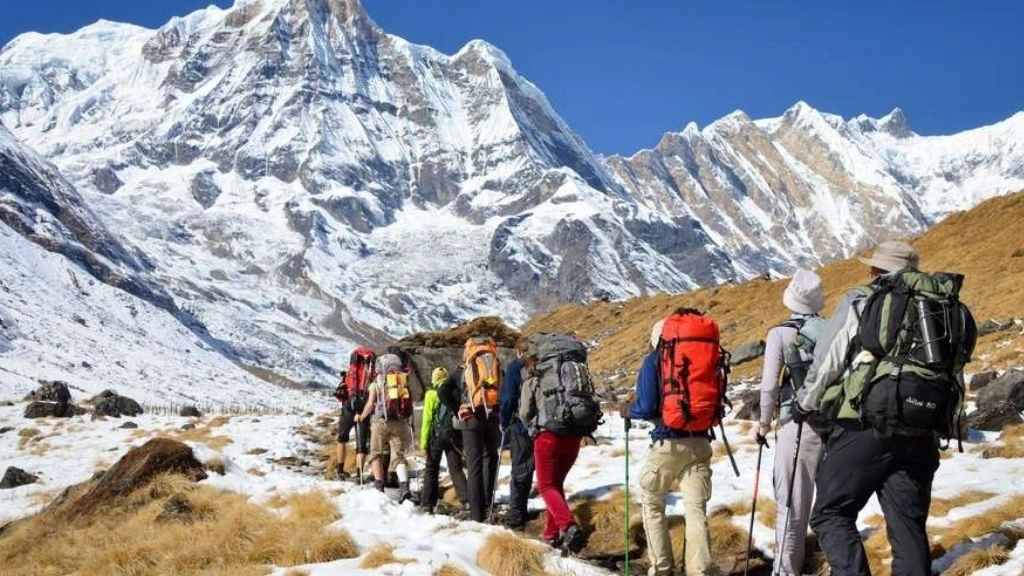
The Annapurna Base Camp Trek is a shorter way to reach a high mountain destination in the Annapurna region. It is a good choice for trekkers who want to stand inside the Annapurna Sanctuary. The route leads through forests, stone steps, riverside villages, and narrow valleys before reaching the base camp.
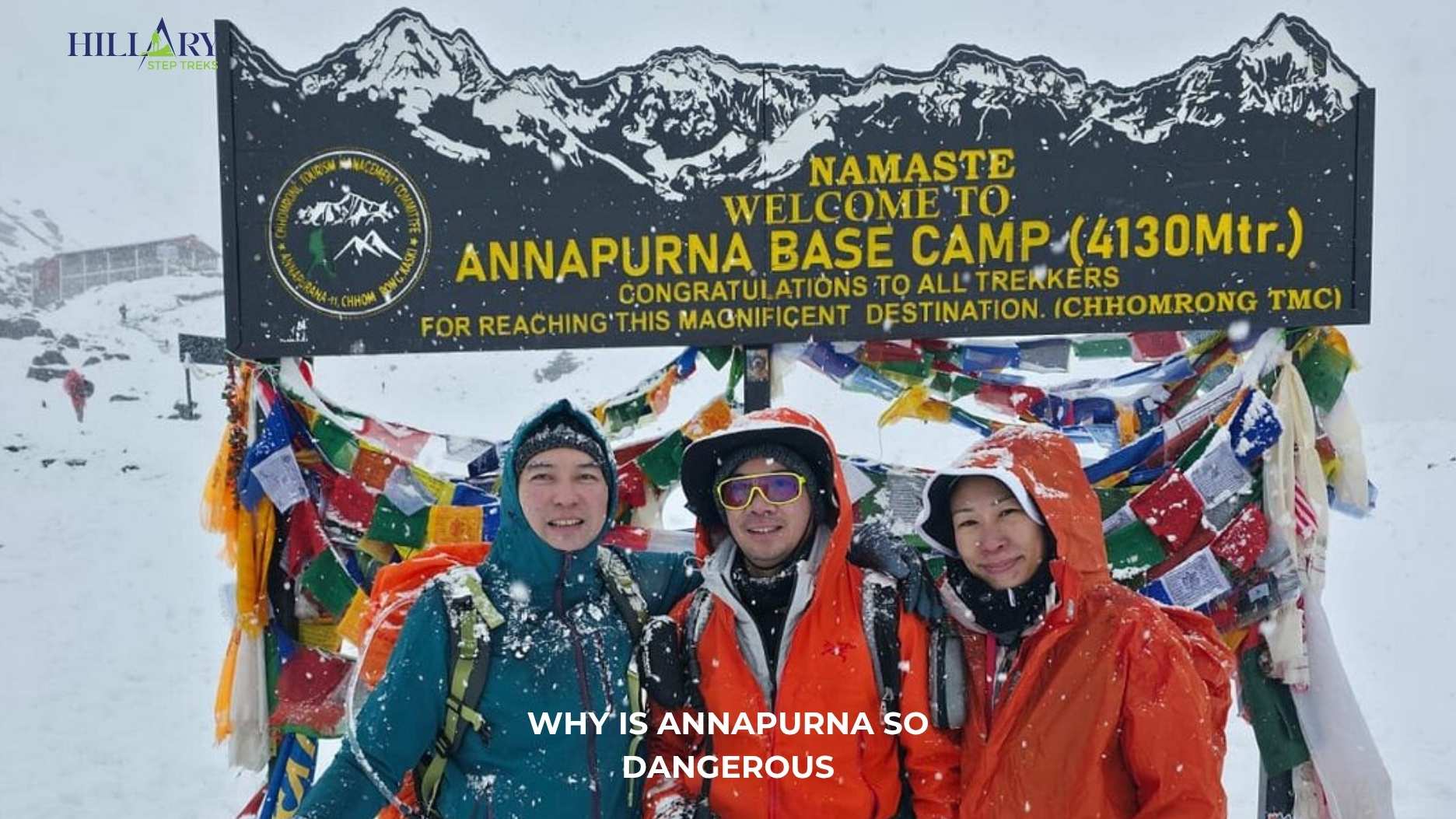
The trek takes 7 days and reaches 4,130m. It is moderate in difficulty and includes several days of uphill walking. You stay in teahouses along the route. September to November is a great time for Annapurna Base Camp. The weather is usually clear, and the mountain views improve as you move higher into the sanctuary.
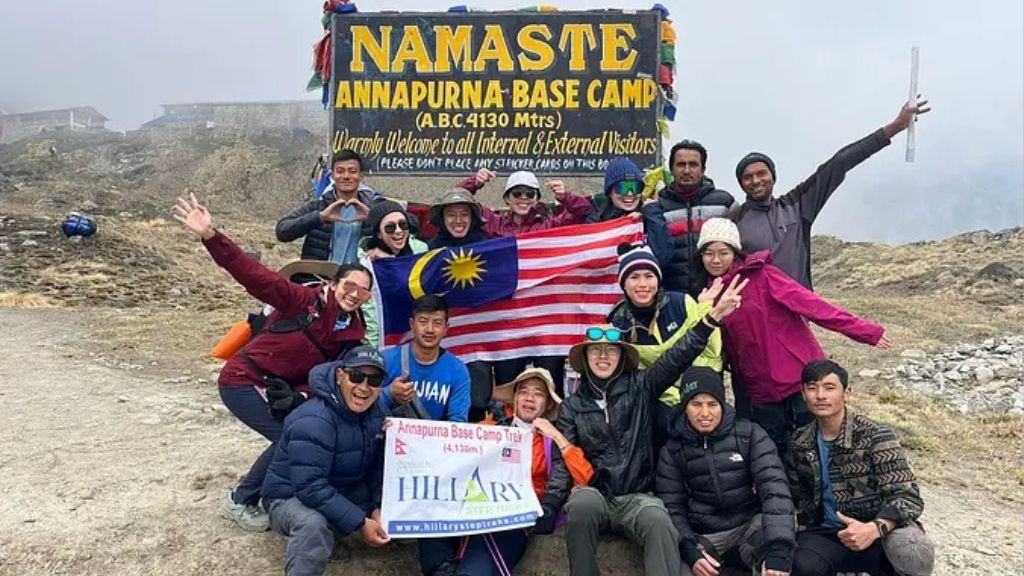
Choose Annapurna Base Camp if you have about a week and want close views of Annapurna, Machhapuchhre, Hiunchuli, and other peaks. It is a better option than the Annapurna Circuit if you do not want to cross a high pass.
What goes wrong: Some trekkers hear “moderate” and rush the uphill days. The trail still gains a lot of height. Walk at a steady pace, take enough breaks, and do not ignore altitude symptoms such as headaches or dizziness
- Best for: Trekkers who want a shorter Himalayan trek with a high mountain destination.
- Duration: 7 days
- Difficulty: Moderate
- Maximum altitude: 4,130m
Manaslu Circuit Trek
The Manaslu Circuit trek is a quieter alternative to the Everest and Annapurna regions. The route circles Manaslu, the eighth-highest mountain in the world. It passes through remote villages, forest trails, deep valleys, Buddhist settlements, and high mountain country.
The highest point is Larkya La Pass at 5,106m. The trek is difficult and suits people with previous trekking experience. Accommodation includes hotels before the trek and teahouses along the route. October to December is a good time for the Manaslu Circuit. Autumn brings clearer views and better conditions for crossing the high pass.
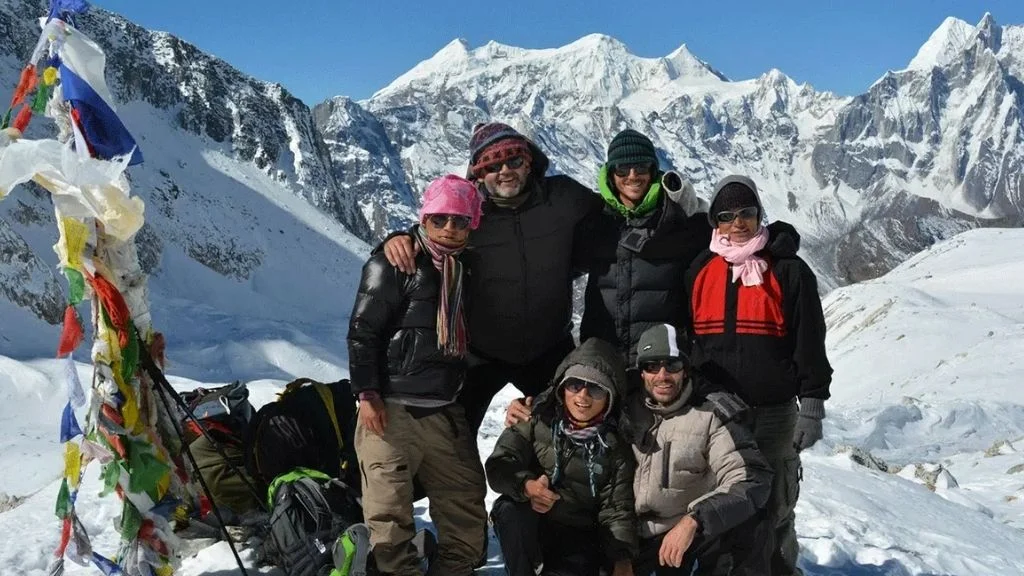
Choose Manaslu if you have completed a moderate trek before and want a longer route with fewer crowds. It is not the best first trek for someone who only wants to avoid busy trails. The route is physically demanding and requires advance planning.
What goes wrong: Leaving permit arrangements until the last minute. Manaslu is a restricted area, so permits and a registered guide are required. Do not rush the pass day. Clear weather does not make a 5,106m crossing easy.
- Best for: Experienced trekkers looking for a challenging circuit with fewer people than the main trekking routes.
- Duration: 12 days
- Difficulty: Difficult
- Maximum altitude: 5,106m
Langtang Valley Trek
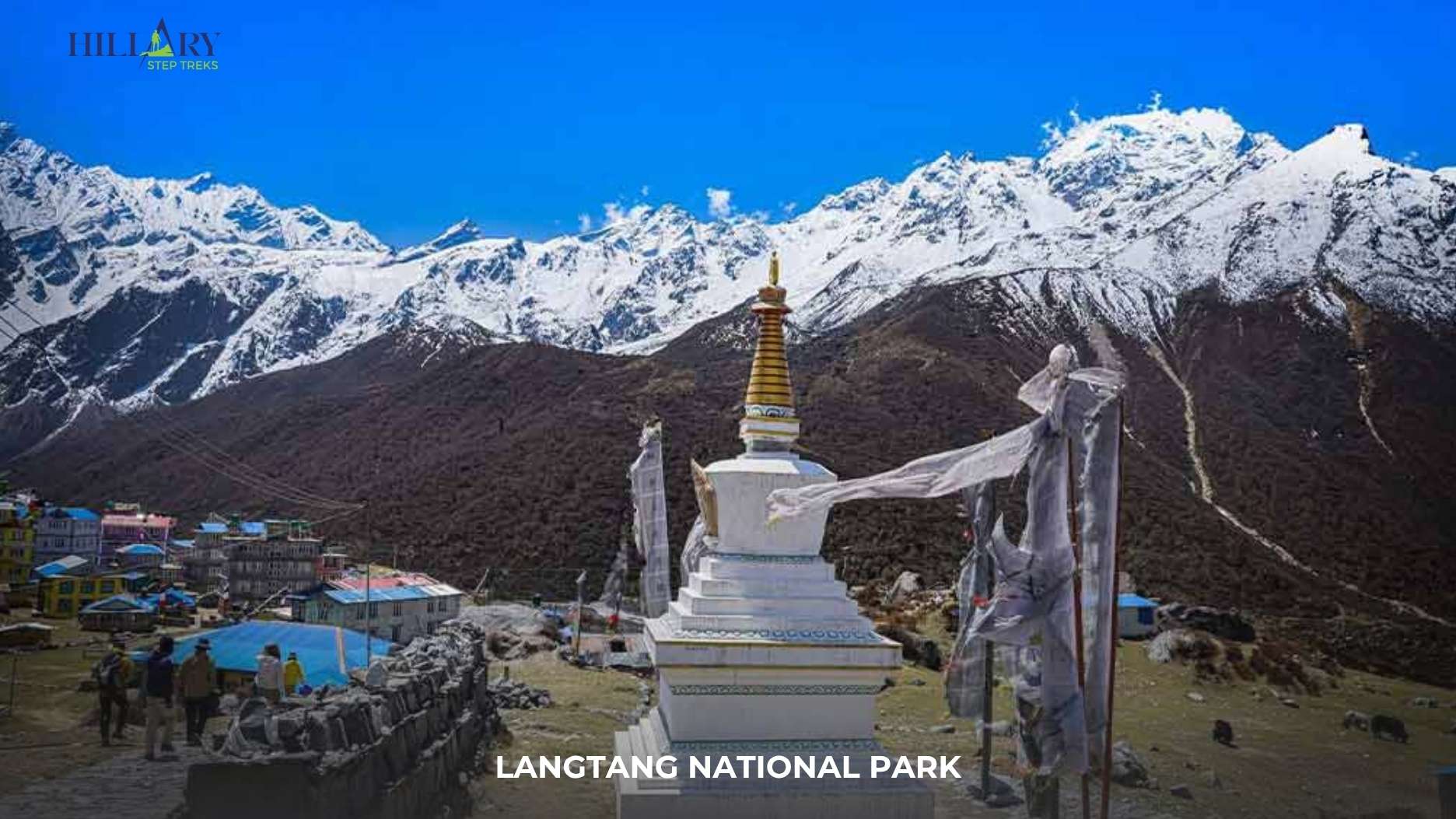
The Langtang Valley trek is a good autumn trek for travelers who want Himalayan scenery without taking a domestic flight. The trail begins after a drive from Kathmandu and follows the Langtang River through forests and Tamang villages.
The trek takes around 7 to 10 days and reaches 4,984m. It is moderate in difficulty. Nights are spent in hotels before the trek and teahouses along the trail. October to December offers clear mountain views and pleasant walking conditions. Langtang is a good choice when you have a week to ten days and want a high valley trek close to Kathmandu.
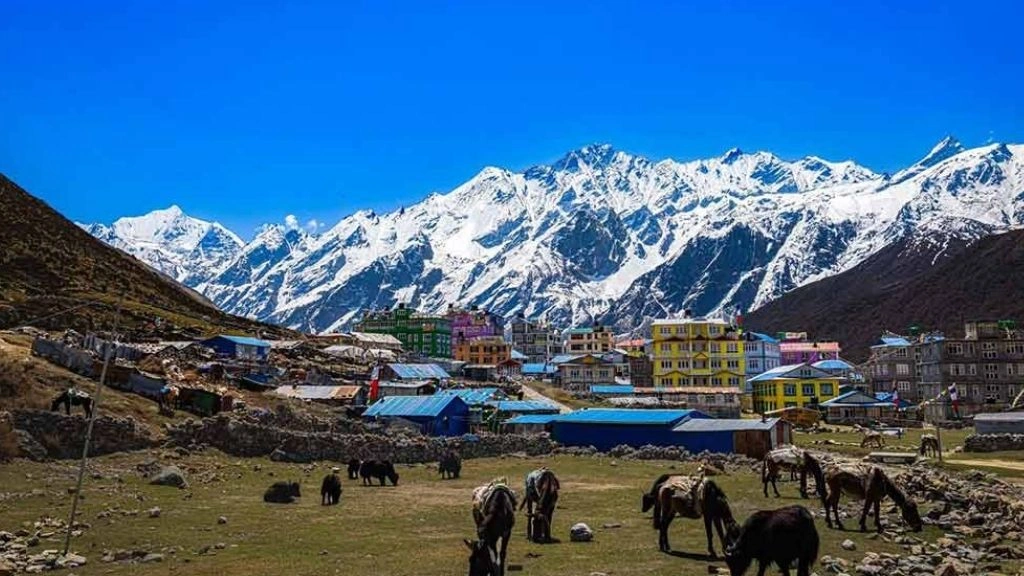
Choose Langtang if you want a mix of mountain scenery, village culture, and shorter travel time. Choose Annapurna Base Camp if your main goal is the famous Annapurna Sanctuary view.
What goes wrong: Treating Langtang as a low-altitude warm-up trek. The route reaches close to 5,000m. You still need to walk slowly, rest when needed, and respect acclimatization.
- Best for: Trekkers who want a moderate Himalayan route with a road approach from Kathmandu
- Duration: 7 to 10 days
- Difficulty: Moderate
- Maximum altitude: 4,984m
Gokyo Lakes Trek
The Everest Base Camp trek via Gokyo Lake combines the Everest region with the beautiful Gokyo Valley. It is ideal for trekkers who want more than the standard Everest Base Camp route.
The journey takes you past turquoise lakes, glaciers, Sherpa villages, and high mountain viewpoints. The maximum elevation is 5,545m. The trek is moderate, but the altitude makes it demanding. You stay in hotels before and after the trek and in teahouses along the route.
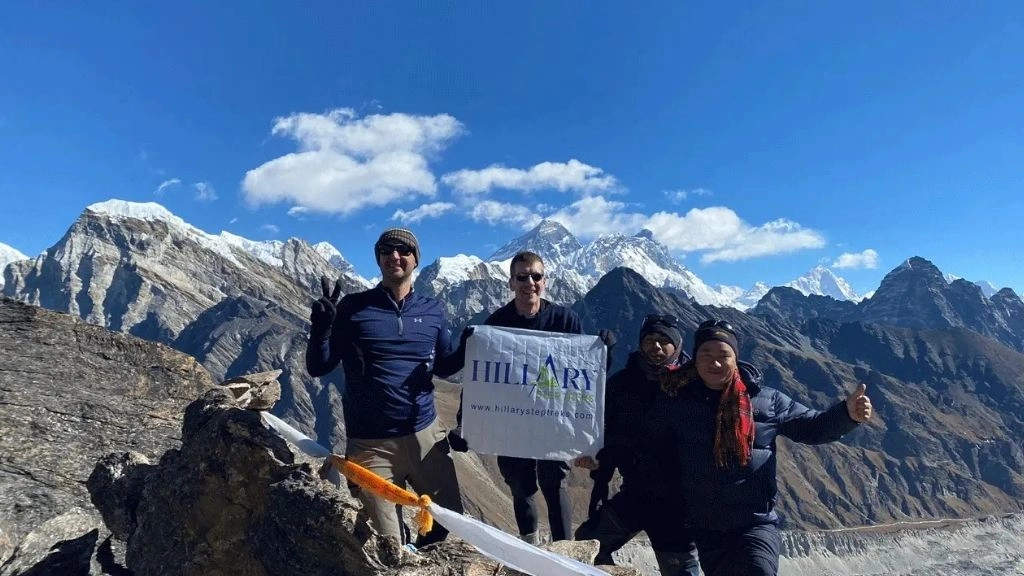
September to December is a good time for Gokyo Lakes. Autumn brings clearer skies, good views from Gokyo Ri, and better trail conditions. Choose this route if you want lakes, glaciers, and Everest views in one trek. Choose the standard Everest Base Camp trek if you want the most direct route to Base Camp.
What goes wrong: Assuming the Gokyo route is easier because it is different from the standard EBC trek. It still reaches 5,545m. You need the same careful pace, warm gear, and acclimatization plan.
- Best for: Trekkers who want the Everest region with the Gokyo Lakes and Gokyo Ri.
- Duration: 15 days
- Difficulty: Moderate
- Maximum altitude: 5,545m
Everest Three Passes Trek
The Everest Three Passes Trek is a challenging route through the high valleys and passes of the Everest region. Instead of following only the standard Base Camp trail, the route crosses the major high passes of the Khumbu, including Kongma La, Renjo La, and Cho La Pass.
The trek is challenging and reaches 5,545m at Kala Patthar. You stay in teahouses along the route. September to November is one of the best seasons because the weather is often clearer and the high passes are more likely to be open.
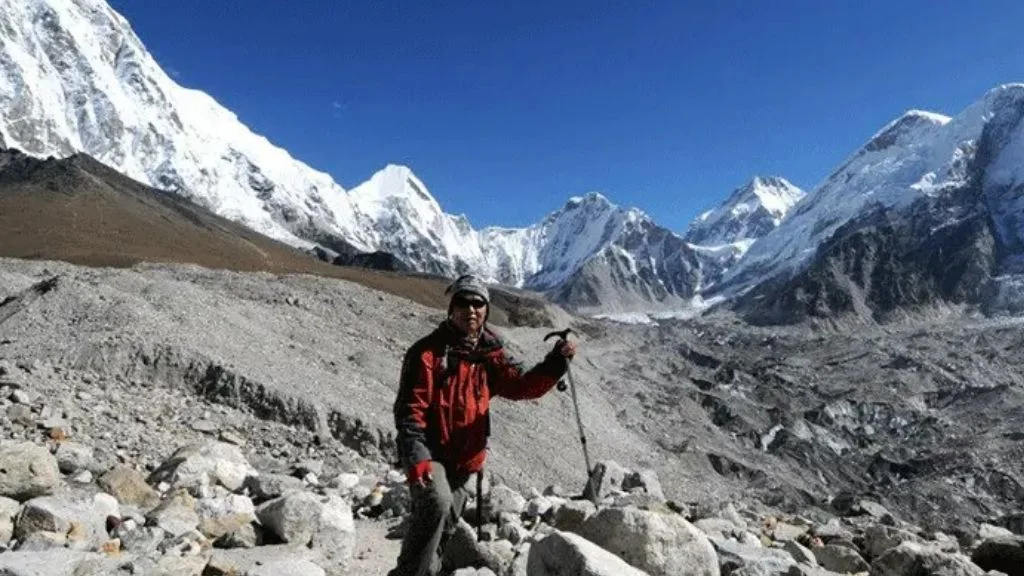
Choose this route if you already feel comfortable with the idea of Everest Base Camp and want longer days, steeper trails, and more high-altitude challenges. It is not a quick extension of the standard EBC trek.
What goes wrong: Treating the three passes as extra sightseeing days. The passes add long walking days, cold conditions, rocky terrain, and higher altitude pressure. A slower pace is part of a safe plan.
- Best for: Experienced trekkers who want a more demanding Everest region adventure.
- Duration: 18 days
- Difficulty: Challenging
- Maximum altitude: 5,545m
Mardi Himal Trek
The Mardi Himal trek is a short Annapurna trek with close mountain views. The route climbs through forest, ridge trails, and high viewpoints facing Machhapuchhre, Annapurna South, Hiunchuli, and Mardi Himal.
The trek reaches 4,500m and is easy to moderate in difficulty. You stay in teahouses along the route. It is shorter than Annapurna Base Camp, but it still includes steep uphill sections and cold nights at higher elevations.
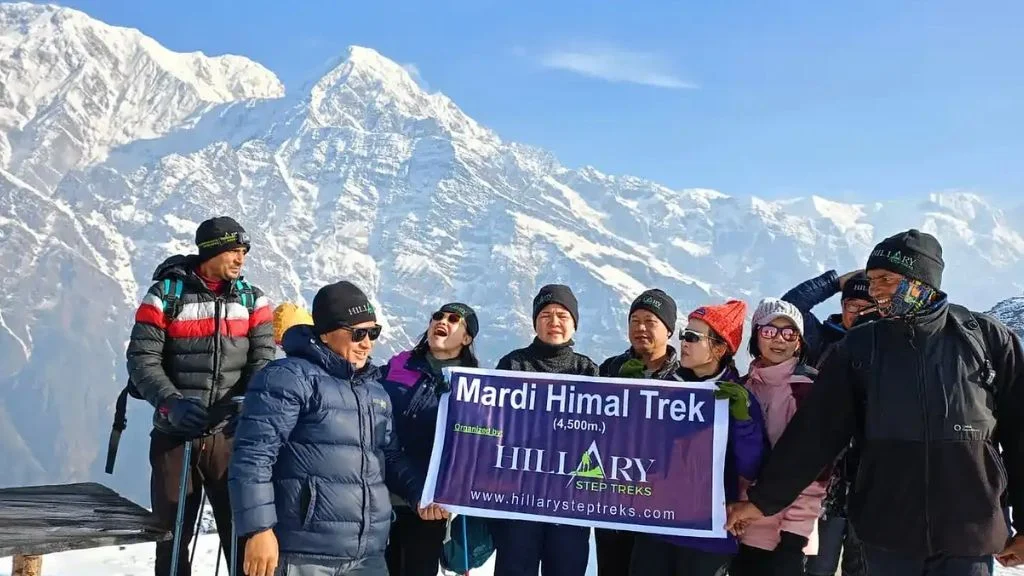
September to November is a good time for Mardi Himal. The skies are usually clearer, and the mountain views are at their best. Choose Mardi Himal if you want an Annapurna trek with fewer days and a high viewpoint. It suits people with some hiking experience who want a real mountain trek without a two-week itinerary.
What goes wrong: Thinking that easy to moderate means flat or effortless. The trail includes steep climbs, narrow ridges, and a high point at 4,500m. Take the uphill sections slowly and pack warm clothes.
- Best for: Trekkers who want a short Annapurna trek with high mountain views.
- Duration: 5 days
- Difficulty: Easy to moderate
- Maximum altitude: 4,500m
Ghorepani Poon Hill Trek
The Ghorepani Poon Hill Trek is one of the shorter trekking options in the Annapurna foothills. The 5-day route passes through Ulleri, Ghorepani, Tadapani, and Ghandruk before returning toward Pokhara.
The main highlight is the sunrise from Poon Hill at about 2,870m. The trek is graded moderate and includes several hours of walking each day, along with stone steps and simple teahouse accommodation.
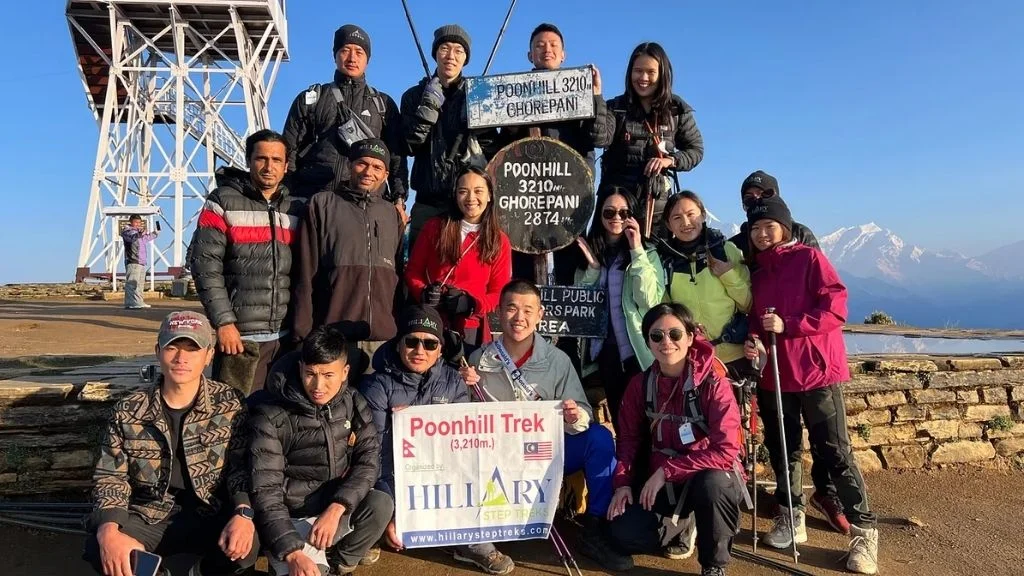
Choose Poon Hill if you have limited time and want a scenic trek at a lower altitude. It is a good first trek for people who want mountain views without the cold and altitude of Everest Base Camp or Annapurna Base Camp.
What goes wrong: Expecting an empty viewpoint. Poon Hill is popular in October. You may share the sunrise with many other trekkers. The route also has steep stone steps, so it is not a casual walk.
- Best for: Trekkers who want a short Himalayan trek and a sunrise mountain view.
- Duration: 5 days
- Difficulty: Moderate
- Maximum altitude: 2,870m
Upper Mustang Trek
The Upper Mustang trek takes you into Nepal’s dry Himalayan landscape north of the Annapurna range. The scenery includes red cliffs, caves, wide valleys, ancient monasteries, and walled villages.
The trek takes 15 days and reaches 3,840m. It is moderate in difficulty. You stay in hotels before and after the trek and teahouses during the journey. October to December is a good time to visit Upper Mustang. The dry landscape is very different from the green valleys of Annapurna and Langtang.
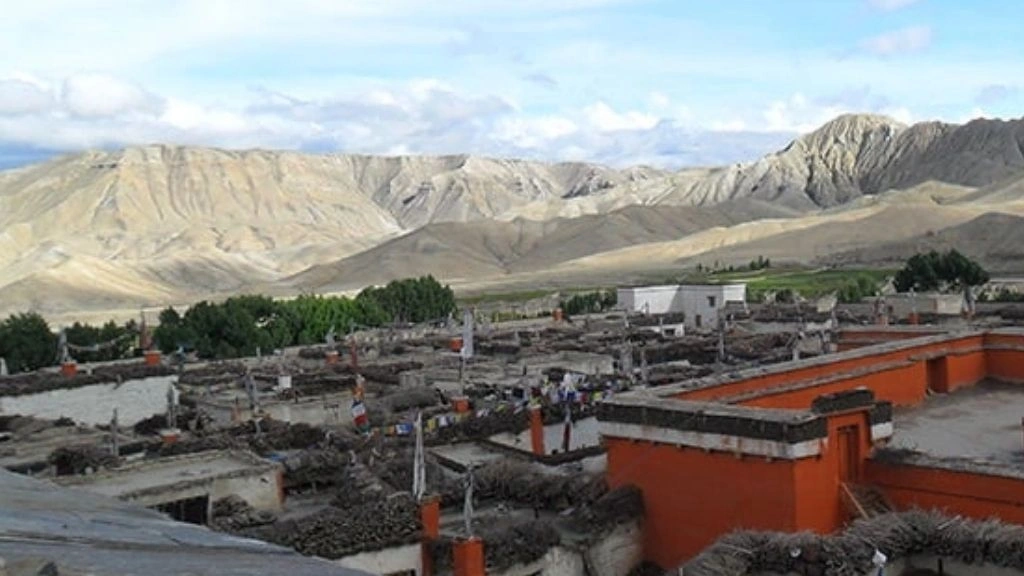
Choose Upper Mustang if you want culture, history, and desert-like Himalayan scenery. It is not a trek for people who only want a high snow pass or a Base Camp viewpoint.
What goes wrong: Assuming lower altitude means no advance planning. Upper Mustang is a restricted area. You need restricted area permits and a registered guide before the trek begins.
- Best for: Trekkers who want a dry Himalayan landscape, traditional villages, and a cultural experience.
- Duration: 15 days
- Difficulty: Moderate
- Maximum altitude: 3,840m
Which Autumn Trek in Nepal Is Right for You?
The best trek depends on your available time, trekking experience, preferred altitude, and the type of landscape you want to see.
- I want to see Everest: Take the 14 day Everest Base Camp trek, or the Gokyo variant if the lakes matter as much as the camp.
- I only have about a week: Take Annapurna Base Camp at 7 days, Langtang Valley Trek at 7 to 10 days, or Poon Hill at 5 days, and do not compress Everest to fit the same week.
- I want a hard, high route: Look at the Annapurna Circuit or Everest Three Passes. Both are graded challenging.
- I want culture with the walking: Upper Mustang is the 15 day trip at 3,840m, not a base-camp itinerary with a monastery added.
- I want the view without the longest holiday: Mardi Himal at 4,500m, or Poon Hill at 2,870m.
- I want somewhere less walked than Everest in October: Start with the Manaslu Circuit or Langtang, and read the grade before you decide you are avoiding difficulty. Less famous is not the same as easier.
What Does an Autumn Day on a Nepal Trek Feel Like?
An autumn trekking day in Nepal usually starts early. You wake up in a teahouse before sunrise, have breakfast, and start walking while the air is still cool. Breakfast may include porridge, eggs, Tibetan bread, or other simple local dishes. You usually stop for lunch at a lodge along the trail. Walking days are planned so you can reach your next teahouse before it gets too cold or dark.
The experience changes with the length and altitude of the trek. On a 14-day Everest Base Camp or Annapurna Circuit trek, you spend several days adjusting to the altitude and moving from one village to another. On a 5-day Poon Hill trek, the days are shorter, and the main highlight is the sunrise view from Poon Hill.
The higher you go, the more important your pace becomes. Take breaks when needed and follow your guide’s advice if you feel unwell.
What Should You Expect During Autumn Trekking in Nepal?
Autumn is a popular trekking season, but it does not mean every trail will be quiet or every night will be warm.
- Popular trails can be busy. Everest Base Camp and Annapurna Base Camp receive many trekkers during the peak autumn months. Teahouses can fill up, especially in October.
- Clear days can still have cold nights. Daytime temperatures may feel comfortable while walking, but temperatures drop quickly after sunset at higher elevations.
- November is colder than October. Mountain views can be clear, but you need warmer clothing and a suitable sleeping bag for higher elevations.
- September can still have rain. The first part of September falls close to the end of the monsoon season. Conditions usually become more suitable for trekking later in the month.

What Should You Pack for an Autumn Trek in Nepal?
Pack for changing temperatures. You may walk in a T-shirt during the afternoon and need a warm jacket after sunset.
Your basic autumn trekking gear should include:
- Broken-in trekking boots
- Warm base layers
- Fleece or insulated jacket
- Waterproof rain jacket
- Warm sleeping bag
- Trekking trousers
- Warm hat and gloves
- Sunglasses
- Headlamp
- Water bottle
- Sunscreen
- Personal medicines and basic first-aid supplies
A sleeping bag suitable for freezing temperatures becomes especially important on routes that reach above 4,000m. Annapurna Base Camp reaches 4,130m, Mardi Himal reaches 4,500m, Langtang reaches 4,984m, and Everest Base Camp reaches 5,545m. Poon Hill is lower at 2,870 m, but you should still carry a warm layer for the early morning sunrise.
If you start in September, carry a rain jacket because rain can still occur during the early part of the month. Most importantly, break in your trekking boots before the trip. A new pair of boots can cause blisters during the first few days of a long trek.
How Much Does Trekking in Nepal Cost in Autumn?
There is no single price for autumn trekking in Nepal. The cost depends on the route, number of days, group size, accommodation, transport, permits, and other services included in the package.
A 5-day Poon Hill trek and a 15-day Upper Mustang trek naturally have different costs. The current price should always be checked on the individual trek page rather than relying on an old price mentioned in an article. For the latest price and availability, contact us with your preferred trek and travel month.
Is Autumn Trekking in Nepal Difficult?
The difficulty depends on the trek you choose. Mardi Himal is graded easy to moderate. Langtang, Gokyo Lakes, Annapurna Base Camp, and Upper Mustang are graded moderate. Everest Base Camp is moderate to challenging, while Annapurna Circuit and Everest Three Passes are graded challenging.
Your fitness level, previous trekking experience, walking distance, and maximum altitude all matter. Do not choose a difficult trek simply because the autumn weather is usually good. A challenging route remains challenging even when the skies are clear.
If this is your first high-altitude trek, consider a moderate route before moving to a challenging circuit or high-pass trek.
How Early Should You Book an Autumn Trek in Nepal?
It is better to arrange your trek early if you plan to travel during the main autumn season, especially in October. Popular routes such as Everest Base Camp and Annapurna Base Camp can be busy during peak periods. Flights, accommodation, guides, and other trekking services also need to be arranged before you arrive.
There is no fixed minimum booking period stated on the trip pages. If your travel date is only a few weeks away, check availability before booking your international flights around a specific trek.
Mistakes to Avoid When Choosing an Autumn Trek
Avoid these common mistakes when planning an autumn trek in Nepal:
- Choosing Everest Base Camp when you only have five days.
- Ignoring the difficulty grade.
- Packing only for warm daytime weather.
- Starting a high-altitude trek in early September without allowing for possible rain.
- Removing rest days to make a long trek fit a shorter holiday.
- Assuming a less crowded trek will also be easier.
- Waiting until the last minute to arrange restricted-area treks such as Manaslu and Upper Mustang.
- Buying new trekking boots just before departure.
The right trek is the one that fits your available time, fitness level, experience, and preferred type of scenery.
Frequently Asked Questions About Autumn Treks in Nepal
Expand AllIs autumn the best time to trek in Nepal?
Which month is best for trekking in Nepal?
Does it rain in Nepal in September?
Which trek is best for beginners in autumn?
What is the best short trek in Nepal in autumn?
What is the best high-altitude trek in Nepal in autumn?
Which trek has the best mountain views in autumn?
Which autumn treks in Nepal are less crowded?
Do I need a guide for an autumn trek in Nepal?