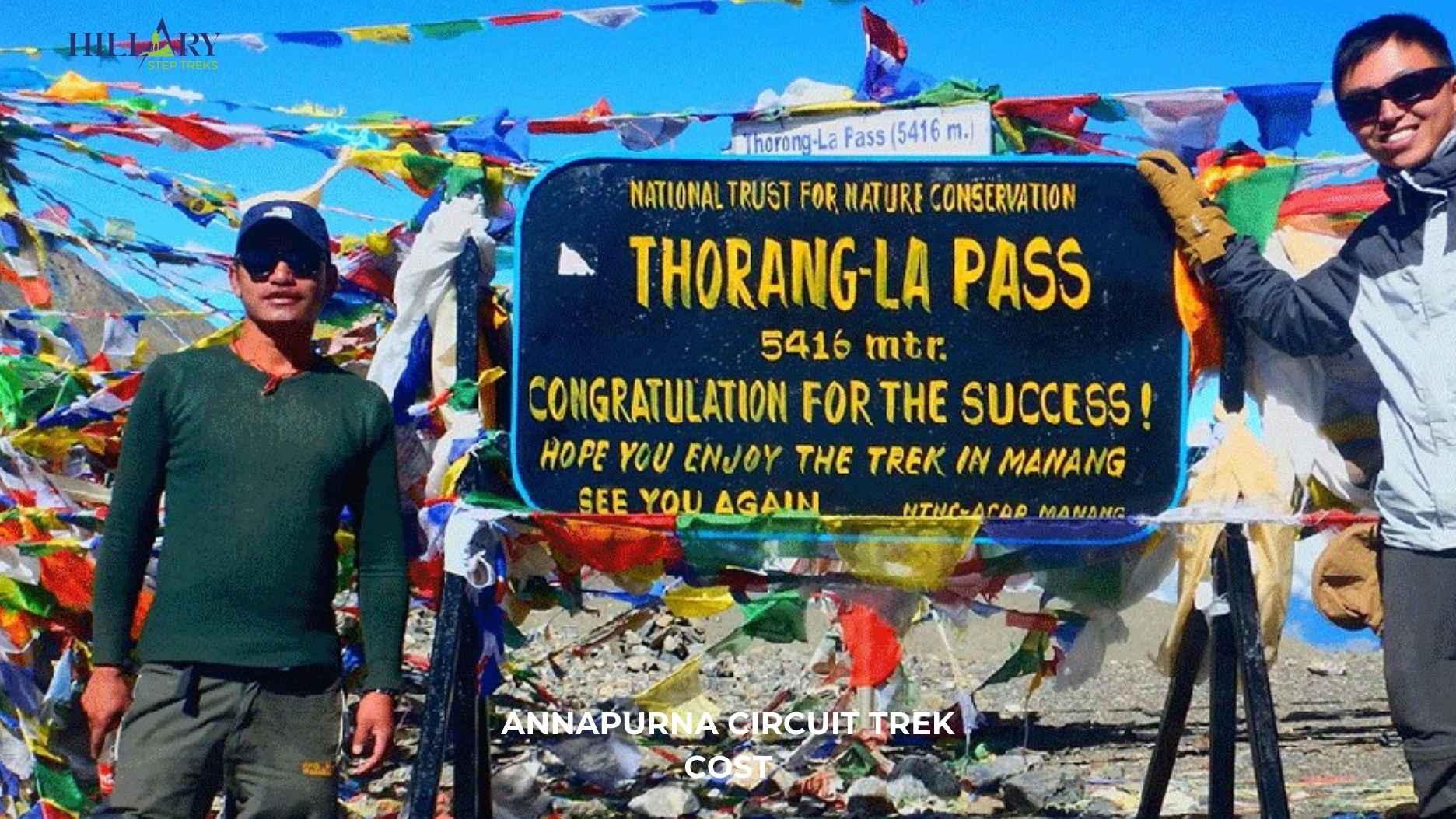
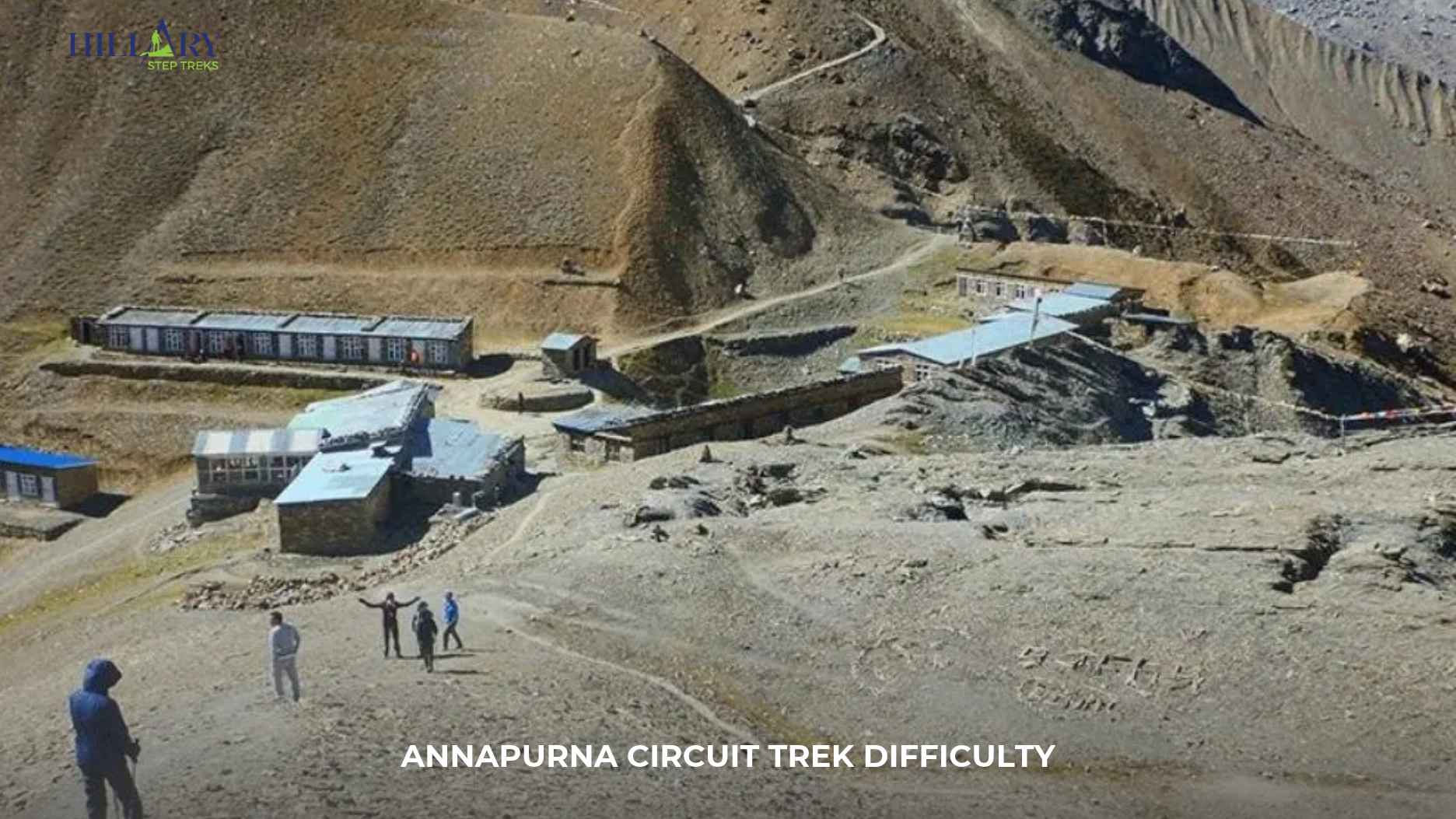
Annapurna Circuit Trek difficulty is challenging for most fit trekkers. You walk many consecutive days in the Annapurna region, sleep higher each night as you approach Thorong La Pass, and finish with a long, cold crossing and a steep descent. It is trekking, not mountaineering. You do not need ropes or climbing skills. You do need physical fitness, a realistic itinerary, and respect for altitude sickness.
So, how difficult is the Annapurna Circuit Trek in one line? It’s harder than Poon Hill or a short Annapurna Base Camp Trek, but easier than a full Everest Base Camp Trek with high passes. The hardest part is crossing Thorong La Pass, not the lower sections of the trail.
This guide explains Annapurna Circuit trekking difficulty in the way trekkers actually feel it. We will discuss daily hours, elevation gain, trail conditions after road construction, rest days, training, and honest comparisons with other Nepal treks. Use it to decide whether to book a classic circuit, add buffer days, or start with a shorter trek first.
Annapurna Circuit Trek Difficulty Level at a Glance
- Technical difficulty: No climbing skills required on the standard route
- Daily walking: Usually around 5 to 7 hours, depending on the route and overnight stops
- Hardest day: Crossing Thorong La Pass
- Main challenge: High altitude combined with consecutive walking days
- Fitness required: Good general fitness and the ability to walk several days in a row
- Suitable for beginners: Yes, if you train beforehand and follow a well-paced itinerary
What Makes the Annapurna Circuit Difficult?

Several factors make the Annapurna Circuit trek challenging. The main ones are altitude, long walking days, changing terrain, and weather conditions. These challenges become more noticeable as you approach Thorong La Pass.
High Altitude Changes the Effort
Altitude is one of the biggest challenges on the Annapurna Circuit. As you climb higher, there is less oxygen available with each breath. You may notice that you walk more slowly, get tired quickly, or struggle to sleep well.
Manang is an important stop for acclimatization. A rest day here gives your body more time to adjust before you continue toward Thorong Phedi or High Camp. Skipping this stop to save time can increase the risk of altitude sickness.
The trek’s highest point is Thorong La Pass, which rises to 5,416 m. At this elevation, even fit trekkers can feel the effects of altitude. Walk at a steady pace, follow a gradual ascent, and never ignore worsening symptoms.
Long Days Build Up Fatigue
Long walking days are another challenge of the Annapurna Circuit Trek. Most days involve around 5 to 7 hours of walking, although some take longer. Some days stretch longer when weather, lodge availability, or a changed road-end forces more walking.
The challenge is not just one long day. You need to keep walking for several consecutive days while managing tired legs, sore feet, and limited recovery time. A heavy backpack makes it even harder. If your budget allows, hiring a porter for the main bag is a practical way to keep the daypack light and protect your knees for the descent.
The Trail Keeps Changing
Annapurna Circuit Trek route character changes as you travel around the Annapurna region. You move from farmland and riverside paths into pine and higher valleys, then into a drier high landscape before the pass. After the pass, you drop toward Muktinath and the Kali Gandaki side.
You may walk on stone steps, dusty tracks, uneven paths, and sections of road. These different surfaces require you to adjust your pace throughout the trek.
Descending Can Be Harder Than Expected
Reaching Thorong La Pass is a major achievement, but the day is not over once you reach the top. You still need to descend toward Muktinath. The descent can be hard on your knees and thighs, especially after several hours of climbing at high altitude. Thus, the descent route also makes the Annapurna Circuit Trek difficult.
Trekkers who only trained uphill feel this more than they expect. Poles help. So do a slower pace and broken-in boots. Descent fitness is a real piece of Annapurna Circuit trekking difficulty that guidebooks often underplay.
Weather and Cold Conditions
Depending on the season, wind and cold on the pass can turn a normal morning into a hard one. Snow can slow the group. Autumn and spring are the usual windows for clearer mountain weather and more stable pass conditions. Monsoon means mud, leeches lower down, and cloud. Deep winter means colder nights and a higher chance the pass day becomes the limiting factor.
The best time choice does not remove difficulty. It changes how often weather adds to it. On clear days, you also earn views of the Annapurna and Dhaulagiri ranges. Those views are part of why people accept the hard days.


Why Thorong La Is the Hardest Day of the Annapurna Circuit?
Thorong La Pass difficulty defines the circuit for most groups. You start early from Thorong Phedi or High Camp, climb in cold air, and commit to a long day over the pass before a sustained descent.
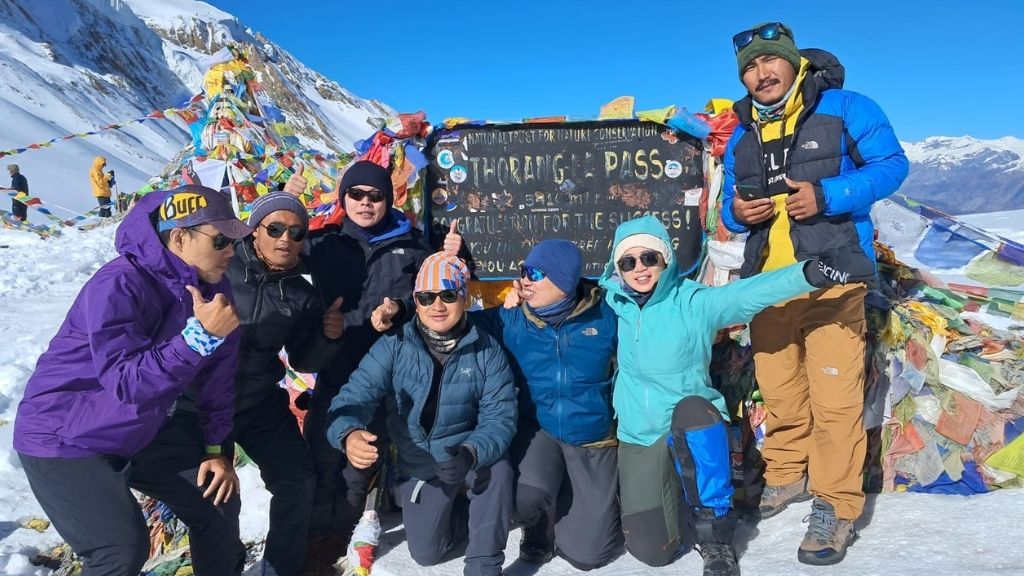
Your preparation for this day matters. Get enough rest beforehand, drink fluids regularly, wear suitable layers, and follow your guide’s instructions. A guide should also monitor the group for signs of altitude sickness and be prepared to change plans when necessary.
Do not push ahead simply because you have reached the planned pass day. If weather conditions are unsafe or someone develops symptoms that make continuing dangerous, the group should follow an appropriate safety plan.
If Thorong La Pass difficulty is your main worry, ask for an itinerary with a Manang rest day, a realistic High Camp plan, and weather flexibility. That is how you make the Annapurna Circuit safer without pretending the pass is easy.
How Fit Do You Need to Be for the Annapurna Circuit?
You should be comfortable walking 5 to 7 hours on consecutive days with a daypack before you fly to Nepal. Hill repeats, stair sessions, and time in broken-in boots beat gym-only training. Physical fitness for this trek is about aerobic base and resilient legs, not about looking athletic on paper.
A useful fitness level target: back-to-back weekend hikes that leave you tired but recovered the next morning. If a single local hill day wipes you out for three days, the circuit will feel brutal.
Can Beginners Do the Annapurna Circuit Trek?
Yes, fit beginners can complete the Annapurna Circuit with proper preparation and a suitable itinerary. Previous trekking experience is helpful, but it is not always essential.
If you have never hiked in the hills, start with shorter walks and gradually increase the distance and elevation gain. This helps you understand how your body responds to long days on uneven terrain. Also, choose an itinerary with adequate acclimatization time and avoid rushing to finish within a limited number of days.
Can Older Trekkers Complete the Annapurna Circuit?
Age alone does not determine whether someone can complete the trek. Fitness, general health, preparation, and the ability to adapt to altitude are more useful considerations.
Older trekkers should assess their fitness honestly, seek medical advice if they have relevant health concerns, and choose an itinerary that allows enough time to rest. Anyone can develop altitude sickness, regardless of age or fitness.
Check Your Fitness Before Booking
Ask yourself these questions before committing to the trek:
- Can you walk uphill for 2 to 3 hours without becoming completely exhausted?
- Can you manage several active days in a row?
- Have you trained for long descents and uneven trails?
- Are you willing to slow down or turn back if altitude symptoms develop?
- Does your itinerary include enough time for acclimatization?
If you struggle with several of these points, allow more time to train before your trip. But if most answers are yes, Annapurna Circuit trekking is a fair goal with support.
Is the Annapurna Circuit Suitable for a First Himalayan Trek?
The Annapurna Circuit can be a good first Himalayan trek if you choose a well-paced itinerary and accept that it feels harder than Poon Hill or a short sanctuary walk. Many beginner trekkers complete it. Many also underestimate Thorong La.
That said, the Annapurna Circuit can be a good first Himalayan trek for someone who is reasonably fit and willing to prepare. It does not require technical climbing, and tea houses provide accommodation and meals along much of the standard route.
However, the Annapurna Circuit trek isn’t an easy introduction to hiking. Long walking days, high altitude, and the crossing of Thorong La make it more demanding than shorter routes such as Poon Hill. If you have little or no hiking experience, consider completing a shorter trek first. This will help you build fitness and understand what several consecutive days of walking feel like.
How Does Your Itinerary Change Annapurna Circuit Difficulty?
Itinerary length is one of the biggest levers on how hard the trek feels. A compressed plan raises daily hours and reduces rest days. A longer plan lowers average intensity and gives your body time to adapt before Thorong La.
Annapurna Circuit Trek days vary by start point, side trips, and how much road transport you accept. Classic walking-focused plans often run multi-week once you add Kathmandu and Pokhara buffers. Shorter Annapurna Circuit Trek versions also exist, but they usually trade comfort and acclimatization for speed.
Why a Longer Itinerary Can Feel Easier?
A longer itinerary can feel easier because it gives more rest days, shorter average walking days, and room to wait out a bad weather morning on the pass. You still cover similar total elevation over the circuit. You just stop stacking stress. If you only have a tight holiday, be honest that the trek difficulty rating will feel higher for you than for someone with two extra trail days.
Furthermore, adding side trips such as Tilicho Lake can make the trek harder by adding altitude exposure and extra long days. It can be a rewarding addition, but it makes the itinerary more demanding.
Annapurna Circuit Terrain and Trail Conditions
The Annapurna Circuit includes a mix of established footpaths, stone steps, dusty tracks and road sections. Conditions vary by village, season, and the itinerary you choose. Road construction has changed parts of the traditional route. Some walking sections have been shortened by jeep roads, and trekking companies may use transport to skip certain stretches.
Road construction can reduce the number of walking days, but it doesn’t remove the high-altitude challenge of Thorong La Pass. It can also change the experience for trekkers who want to spend as much time as possible on foot. If trail walking is your priority, ask which sections your itinerary covers on foot and where transport is used. Our guide to the Annapurna Circuit Trek after road construction explains this issue in more detail.
Accommodation and facilities also vary along the route. Charging devices and taking hot showers may cost extra, particularly at higher elevations. Pack for cold conditions and bring footwear that you have already broken in.
How to Train for the Annapurna Circuit Trek?
Start preparing around 6 to 8 weeks before your trek, or earlier if you are new to hiking. The aim is to build endurance and strengthen your legs for consecutive walking days.
A practical training plan can include:
- Cardio: 2 or 3 sessions per week, such as brisk walking, cycling, stair climbing, or hiking.
- Long hikes: Gradually increase your weekend walking time, working toward 5 to 8 hours as your fitness improves.
- Back-to-back hikes: Practice walking on 2 consecutive days.
- Leg strength: Include step-downs, lunges, and other exercises that strengthen your legs for descents.
- Trek preparation: Practice with your hiking boots and daypack.
Build up gradually and include recovery days. If you have trained for Everest Base Camp Trek before, you already understand multi-day fatigue. The circuits differ in culture, logistics, and pass profile, but the same fitness principles apply. You can adapt the exercises in our guide on how to train for Everest Base Camp Trek.
Common Mistakes That Make Annapurna Circuit Harder
Some choices can make the Annapurna Circuit unnecessarily difficult. These include:
- Cutting Manang rest days to save money or time
- Starting the trek without enough hill training
- Carrying too much in the daypack on pass day
- Ignoring early altitude sickness signs
- Booking a short itinerary without checking the daily walking hours
- Assuming road transport removes the challenge of Thorong La
- Wearing new boots on day one
- Treating the descent after the pass as a “cool down” instead of a hard day
Avoid those and the trek’s difficulty stays in the challenging band instead of sliding into misery.
Annapurna Circuit Difficulty Compared With Other Nepal Treks
Compared with Annapurna Base Camp Trek, the circuit is usually longer, with a higher pass day and more varied terrain. ABC is still a real high trek into the sanctuary, has its own challenges, including steep stone steps and repeated ascents and descents, but many people find the circuit’s Thorong La day harder than ABC’s final push. Read our guides to Annapurna Base Camp trek difficulty and Annapurna Sanctuary trek difficulty.
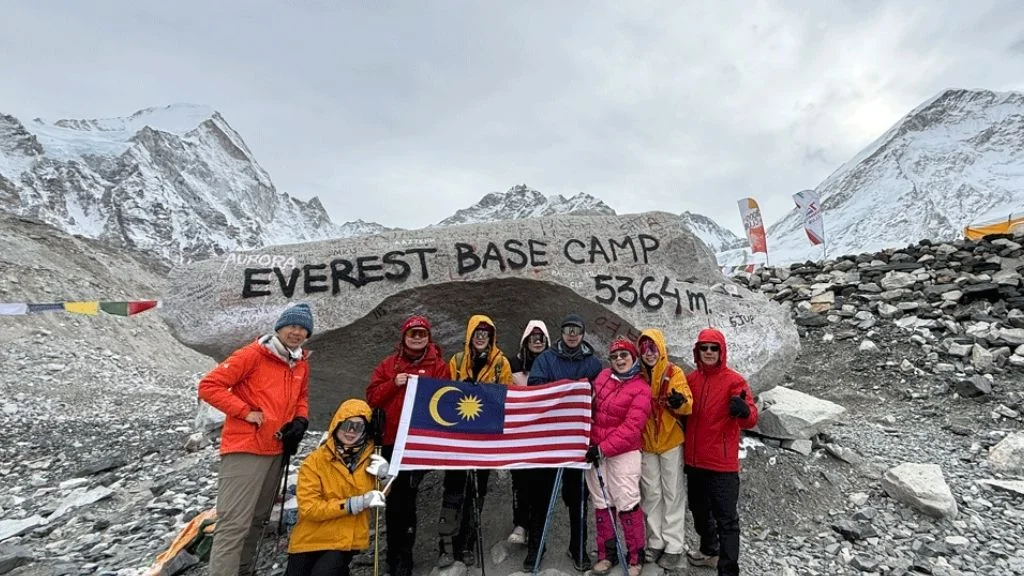
Compared with Everest Base Camp Trek, opinions split. EBC has Lukla flight logistics, its own acclimatization demands, and a high-altitude walk to Kala Patthar for those who include it. The circuit has Thorong La and a long cultural traverse of the Annapurna region. Neither is a soft option.
Compared with Poon Hill, the Poon Hill trek is shorter and generally less demanding than the Annapurna Circuit Trek. It can be a useful training ground for trekking in Nepal, but it does not fully prepare you for the altitude or duration of the Annapurna Circuit.
If you are comparing the Annapurna Circuit with Manaslu, see our guides to Manaslu Circuit vs Annapurna Circuit and Manaslu Circuit Trek difficulty.
How to Make the Annapurna Circuit Trek More Manageable
You cannot remove the physical demands of the trek, but you can make them easier to manage.
- Allow enough time for acclimatization around Manang.
- Hire a porter if you want to reduce the weight you carry.
- Choose an itinerary with realistic walking hours.
- Train for both uphill walking and long descents.
- Carry layers for a windy pass morning.
- Do not stack Tilicho and a rushed pass week unless you are ready.
- Choose the best time to hike the Annapurna Circuit and remain flexible if conditions change.
- Walk with a trek guide who will slow the group when altitude asks for it.
These habits will not remove circuit difficulty, but they keep it within a range you can finish.
Seasoned hikers still respect Annapurna Circuit trekking because consecutive days at height punish ego. Annapurna Circuit trek rewards pacing, not rushing. When friends ask whether Annapurna Circuit trek is “doable,” answer with your training plan and day count, not with someone else’s highlight reel. Annapurna Circuit trekking is accessible. It is not casual.
Is the Annapurna Circuit Trek Worth the Difficulty?
For trekkers who enjoy mountain scenery, traditional villages, and a route that changes from green valleys to dry high-altitude landscapes, the Annapurna Circuit can be well worth the effort.
The main challenge is balancing the physical demands with enough time to enjoy the trek. Prepare for long days, allow your body to adjust to altitude, and choose a route that matches your experience.
Conclusion
The Annapurna Circuit Trek is rated challenging because of consecutive days, altitude, and the difficulty of Thorong La Pass, not because you need mountaineering skills. Train your legs, add acclimatization days, and pick an itinerary that matches your fitness level.
If you are considering the trek, share your available dates and previous hiking experience with Hillary Step Trek. Our team can help you assess the itinerary and decide how many days to allow.