
If you’re planning the Manaslu region adventure on your own or with a group, the Manaslu Circuit trek map is a must-have tool. The map of the Manaslu Circuit trek helps you understand the entire trekking route, from the starting point to the finish. It includes daily stops, major villages, and notable landmarks like Lho, Samagaun, and the Larkye La Pass.
This page provides a full overview and daily elevation details to help you understand your journey clearly and prepare better. You’ll also find an itinerary layout, alternative trail options for side hikes, and key highlights like Mount Manaslu (8,163 m) – the eighth highest peak in the world and Lho Monastery along the way. Whether you’re a self-guided trekker or someone planning for future adventure in this region, these detailed resources give you full control and confidence for the Manaslu Circuit Trek. Every detail is presented in a simple format so you can plan each day with ease.
Elevation Profile of the Manaslu Circuit Trek
Major Trail Highlights
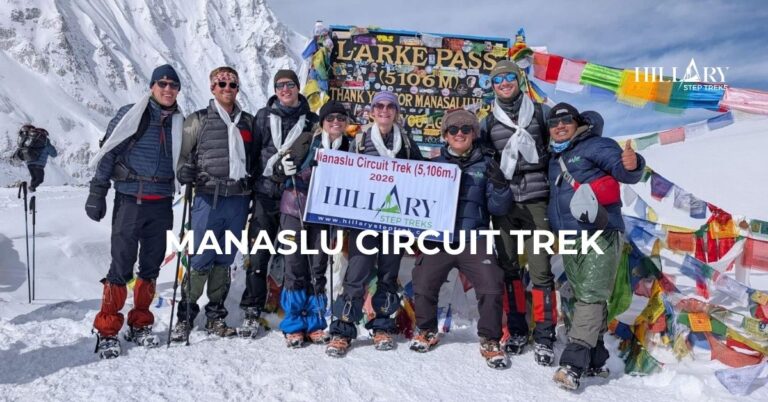
Every step along the Manaslu Circuit comes with something special, and you’ll be surprised every single time. One of the main highlights is Larkya La Pass (5,106 m), which is the highest point of the trek. It offers jaw-dropping views of Manaslu, Himalchuli, and Ngadi Chuli. Villages like Samagaun, Samdo, and Namrung aren’t just overnight spots; they’re full of culture, customs, and traditions. Along the way, Manaslu Base Camp and Pung Gyen Gompa offer an optional side trip for those who want more adventure.
But it’s not just the big names that stand out. Manaslu circuit trek map also marks some unique highlights like the Cantilever Bridge near Jagat, or the Shyala Village, famous for the viewpoint that offers 360° views of mountains and the village. Lho greets you with its monastery, and Bhimthang provides proper rest after the high pass. If you’re taking the Tsum Valley side trail, you’ll spot hidden gems like Mu Gompa, Chhukang Paro, and Chumling. These are the places that turn trial into natural paradise.
Alternate Routes You Can Take For the Manaslu Circuit Trek
Tsum Valley route
The Manaslu Tsum Valley trek is a culturally rich side route that can be added to your Manaslu Circuit journey. This alternative route starts from Philim (1,590 m) and takes you to the hidden village of Chumling, Chhokang Paro, and Nile, before reaching the Mu Gompa (3,700 m) near the Tibet border. These alternatives add 5-7 days to your itinerary and offer a chance to experience Buddhist culture, visit ancient monasteries, and enjoy gorgeous views of Ganesh Himal. After exploring Tsum Valley, you’ll return to Lokpa (2,040 m) and rejoin the Manaslu trail.

Barpak–Laprak rural route
The Barpak-Laprak rural route is a scenic and less-traveled alternative to start your classical Manaslu Circuit Trek. Instead of beginning from Soti Khola, this route starts from Barpak, passes through Gupsi Danda where you can witness Buddha Himal (6,692 m), and then descends to Laprak village. From Laprak, the trail continues to Singla, then heads down to Khorlabesi, where it joins the main Manaslu route. This path adds about 2 extra days to your trek. You can also combine it with the Tsum Valley trek for a longer and more cultural trekking experience.
Alternative Exit via Annapurna Circuit
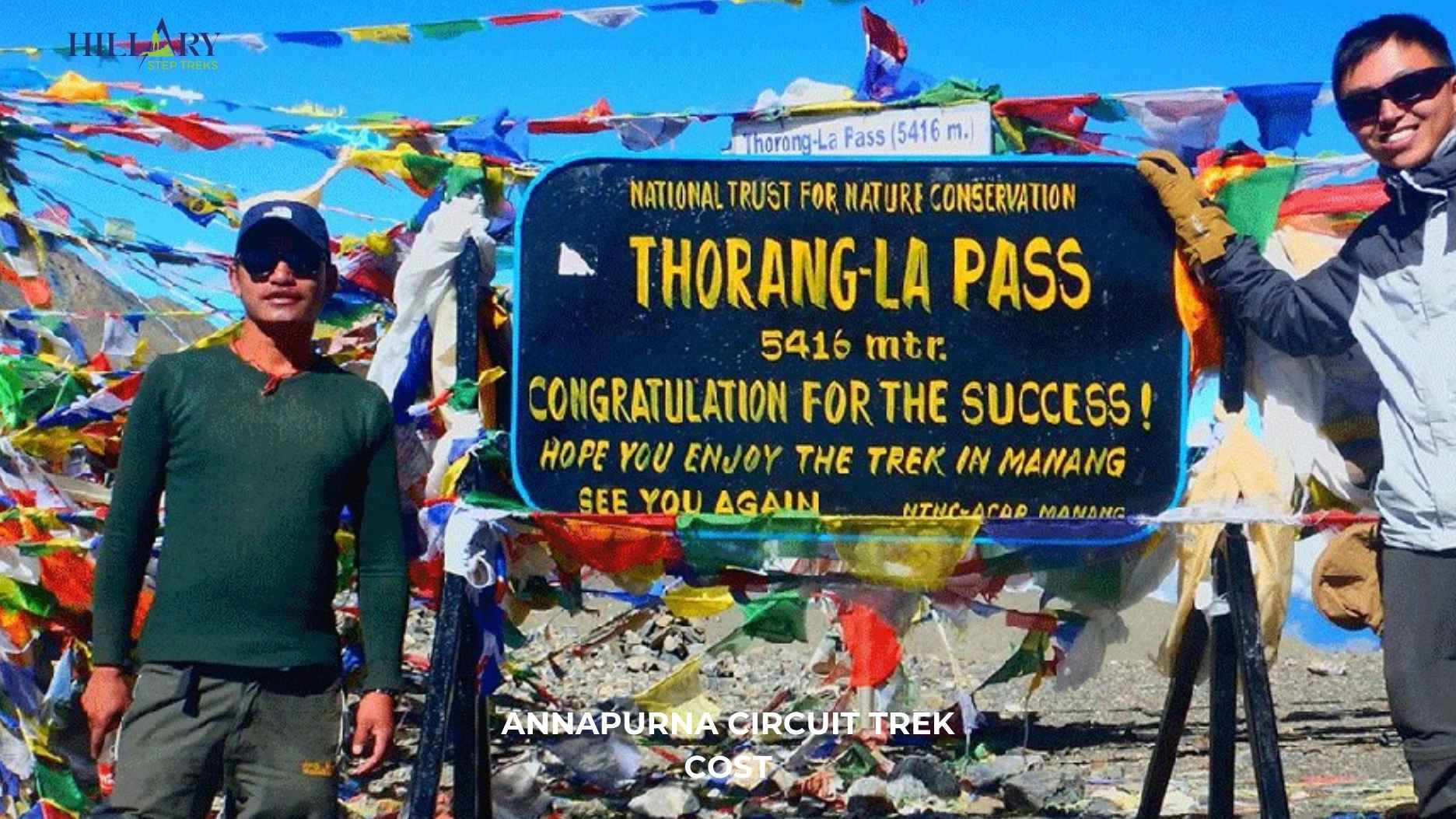
The regular Manaslu Circuit trek usually ends at Tilije (2,300 m) or Dharapani (1,860 m), with a drive to Besisahar and then back to Kathmandu. However, there’s another longer alternative exit as well, which connects with the Annapurna Circuit trek. From Dharapani, the trail heads towards Chame, then continues through Pisang, Manang, and over the Thorong La Pass (5,416 m). After crossing the pass, the route descends to Muktinath, a sacred pilgrimage site, and continues to Jomsom. From there, you can take a flight or jeep to Pokhara and finally return to Kathmandu.
This extension adds about 7-9 extra days to your trek. Instead of finishing the trek at Dharapani, this alternative gives you a chance to continue walking through new landscapes and explore another trail. It’s a great option for those who want to avoid road travel and spend most of their time in the Himalayas. This alternative exit offers new mountain views, high passes, and cultural highlights by combining two major treks into one journey.