
Annapurna Circuit Trek is among the best trekking destinations in Nepal. Hiking to Annapurna Circuit will leave you with a memory that will last a lifetime. Other than the Annapurna Base Camp Trek, the circuit trek is another major trek in the Annapurna region. If you add more days to the itinerary, the Annapurna Trek will take 14 to 20 days to complete.
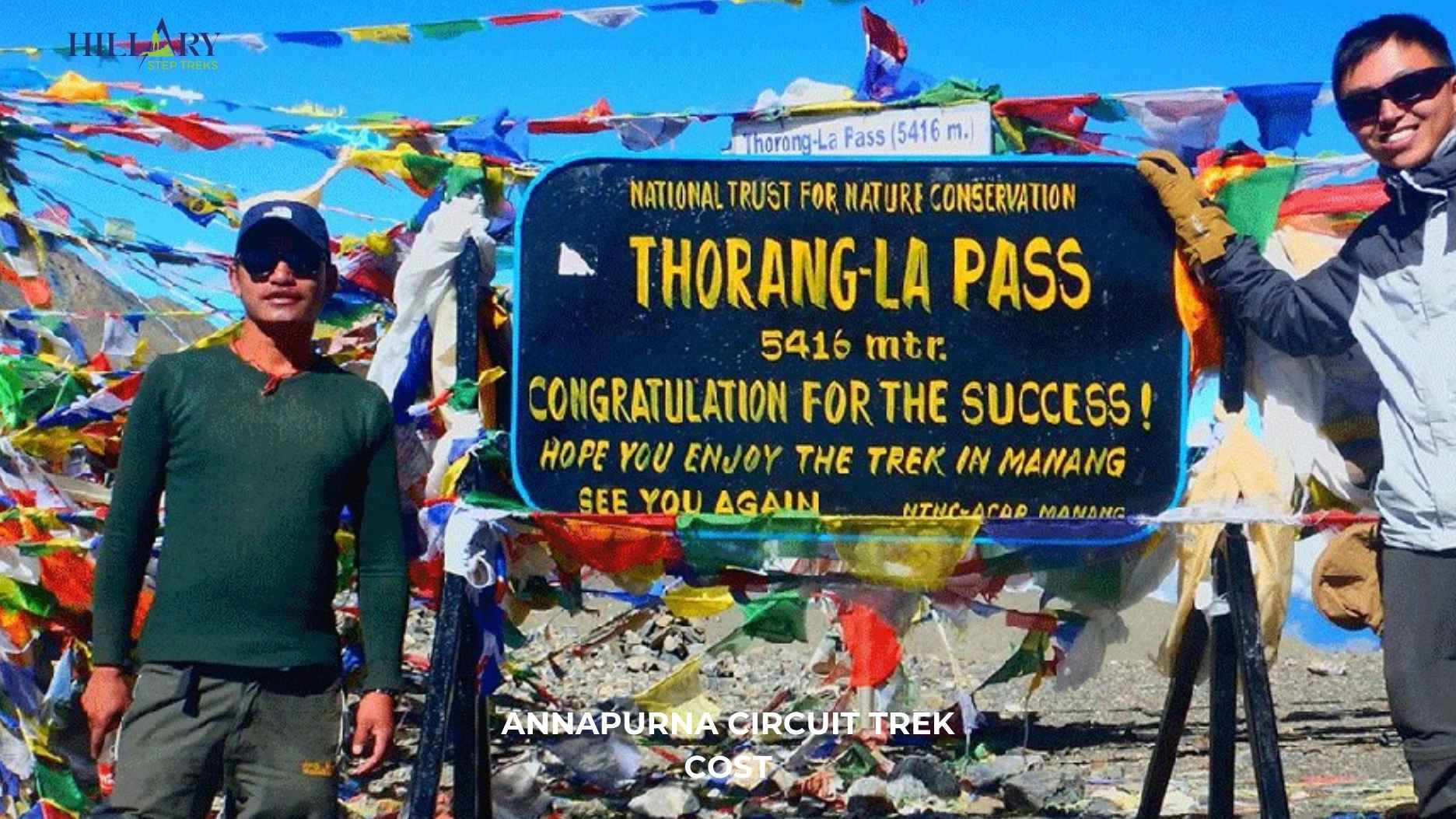
The standard 14-day itinerary starts with a drive from Kathmandu to Besisahar, followed by trekking through villages such as Bhulbhule, Jagat, Dharapani, Chame, and Manang. After acclimatizing in Manang, the route reaches its highest point at Thorong La Pass (5,416 m) before descending to Muktinath and continuing through the Kali Gandaki Valley.
The journey also includes Tatopani, Ghorepani, and an early-morning hike to Poon Hill for sunrise views of the Annapurna and Dhaulagiri ranges. This guide covers the route, altitude, difficulty, permits, weather, accommodation, preparation, and other essential information for planning the Annapurna Circuit Trek.
Annapurna Circuit Route Explained
Where does the Annapurna Circuit start?
Annapurna Circuit Trek starts in the Besisahar area. On the first day of your circuit trek, you’ll leave Kathmandu via public bus to reach Besisahar. The bus takes you through the beautiful scenarios of terraced fields, small villages, and green hills. On your way, the scenic drive presents you with a magnificent view of the Trishuli River and snow-capped peaks, including Mt. Manaslu and Mt. Ganesh.

You will reach Besisahar after 6 6-hour drive from Kathmandu. Besisahar is the small hill station where you begin your Annapurna circuit trek. You will not stay in Besisahar on the first day as you approach Bulbule, another remote but beautiful village.
Where Does the Annapurna Circuit End?
The Annapurna Circuit Trek’s high-altitude trekking section ends at Muktinath, after crossing the 5,416-meter Thorong La Pass from High Camp. Muktinath is an important pilgrimage site for both Hindus and Buddhists and marks the transition from the high mountain section into the Mustang region.
For the classic 14-day itinerary, however, Muktinath is not the final stop of the trip. From Muktinath, the route continues by road to Tatopani, followed by a trek to Ghorepani and a descent toward Pokhara. The journey then finishes with the drive back to Kathmandu.
So, if you mean where you finish crossing the main Annapurna Circuit, the answer is Muktinath. If you mean where the complete 14-day package ends, it is Kathmandu.
Outline itinerary for the Annapurna Circuit Trek
- Day 01: Kathmandu to Bhulbhule via Besisahar
- Day 02: Bhulbhule to Jagat
- Day 03: Jagat to Dharapani
- Day 04: Dharapani to Chame
- Day 05: Chame to Upper Pisang
- Day 06: Upper Pisang to Manang
- Day 07: Acclimatization Day in Manang
- Day 08: Manang to Ledar
- Day 09: Ledar to High Camp
- Day 10: High Camp to Muktinath via Thorong La Pass
- Day 11: Muktinath to Tatopani via Local Bus
- Day 12: Tatopani to Ghorepani
- Day 13: Ghorepani to Hile, Return to Pokhara
- Day 14: Pokhara to Kathmandu by Tourist Bus
How Long Does the Annapurna Circuit Trek Take?
The Annapurna Circuit Trek usually takes 10 to 18 days, depending on the route, starting point, transportation, acclimatization schedule, and trekking pace. A complete itinerary commonly includes the approach to the Marsyangdi Valley, several days of trekking through Manang, an acclimatization day, the crossing of Thorong La Pass at 5,416 meters, and the descent toward Muktinath and the Kali Gandaki Valley.
A 14-day itinerary is one practical option for completing the circuit from Kathmandu to Kathmandu. On the route, trekking days are combined with road transportation, including the journey from Kathmandu to the trailhead and transport after crossing Thorong La. The itinerary on this page also includes a rest and acclimatization day in Manang before continuing toward Thorong La.
The number of trekking days can be shorter when road transport is used on sections of the route, while travelers who prefer more walking, additional acclimatization, or side trips may need more time. It is also worth allowing extra days in Nepal as a buffer for weather, road conditions, or changes in the trekking schedule.
Is Annapurna Circuit Trek Difficult?
The Annapurna Circuit Trek is considered a moderate to challenging trek, mainly because of its high altitude, long walking days, steep ascents and descents, and changing trail conditions. The highest point is Thorong La Pass at 5,416 meters (17,769 feet), which is also the most demanding section of the route.
The trek is not technically difficult in the sense of requiring climbing skills, but it does require good physical endurance and proper acclimatization. On the higher sections, the air becomes thinner, temperatures can drop considerably, and the combination of altitude and prolonged walking can make even a manageable trail feel strenuous. The main difficulty factors are:
- High altitude: The trek reaches 5,416 m (17,769 ft) at Thorong La Pass, where reduced oxygen can make walking more strenuous.
- Long walking days: Several sections involve around 6–7 hours of walking, requiring good stamina and endurance.
- Thorong La Pass: Crossing the pass is generally the most demanding part due to the early start, steep ascent, high altitude, and long descent.
- Steep and uneven trails: The route includes rocky paths, uphill climbs, steep descents, and uneven terrain that can be tiring on the legs and knees.
- Altitude gain: The gradual rise toward Manang and the higher elevations requires proper acclimatization to reduce the risk of altitude sickness.
- Weather conditions: Cold temperatures, strong winds, snow, and changing mountain weather can make the higher sections more challenging.
- Physical fitness: You should be comfortable walking for several hours on consecutive days and handling regular uphill and downhill sections.
- Technical difficulty: The trek does not normally require technical climbing skills, but physical endurance and careful pacing are important.
- Experience level: Previous high-altitude trekking experience is helpful but not essential if you are physically prepared and follow a suitable acclimatization schedule.
Do you need a guide for the Annapurna Circuit trek?
Yes, you need to hire a guide if you want to trek the Annapurna Circuit. Furthermore, since April 1, 2023, you can’t go on any trek without a guide in any region of Nepal. This is critical information you must know before hiking the Annapurna region.
Even if the hiring guide was not mandatory, we would still recommend you hire a guide. There are several benefits of hiring the guide for Annapurna Circuit Trek and they are:
Easy Navigation: Guides are very experienced in navigating the trekking region in Nepal. Whether you are trekking Everest Base Camp Trek, Annapurna Circuit Trek, or Manaslu Circuit Trek, guides have several years of experience. They are familiar with the ins and outs of the trails, teahouses, medical facilities, and other services. So they will help you plan your trek from the beginning.
Security: When exploring mountains, it’s easy to get lost and fall ill without any symptoms. To stay safe and get help in emergencies, it’s best to travel with a guide. A local guide can also provide extra security by knowing the area well. If you are hiking without a guide, you will be prone to unforeseen risks that can damage your health or property.
Language Barrier: If you travel to villages in Annapurna Circuit solo, then you might come across the language barrier. In some villages, the local people don’t speak English so they might not understand you. But if you have a guide or porter with you, then they understand the local language, which will eliminate the language barrier.
Accommodation During Annapurna Circuit Trek
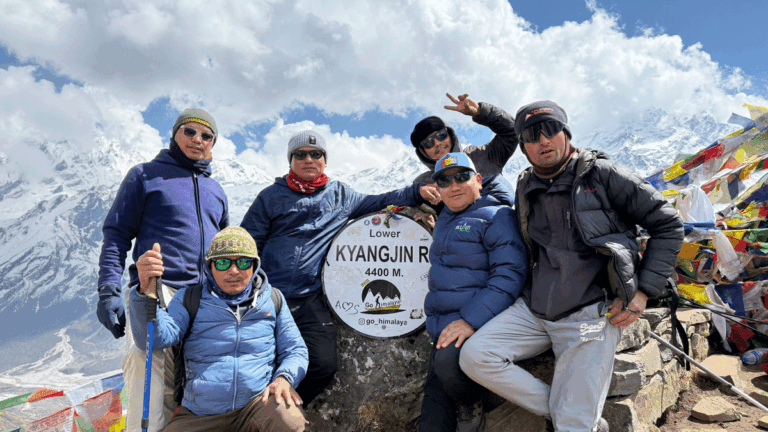
When trekking the Annapurna Circuit, you will stay in teahouses and lodges owned by local people. The teahouses are basic but comfortable, and at lower altitudes, you can pay extra for amenities like Wi-Fi, laundry, hot water, and an attached bathroom. Facilities are more basic at higher altitudes, and you may have to share.

If you’re planning a winter stay, ensure your room has all the amenities to keep you warm and cozy. You’ll need heaters, blankets, and hot water for a shower. Expect a fire to be lit on winter nights to keep the room comfortable. Before booking a room, ensure the electrical outlets and Wi-Fi work properly. Make sure you have all the essentials to enjoy a relaxing stay.
If you’re interested in connecting with the locals, take the time to learn about their culture, traditions, and lifestyle. When visiting the Annapurna Circuit Trek, always be respectful of their customs and aim to be kind.
Permits and Documents needed for Annapurna Circuit Trek
You need important permits and documents to hike the Annapurna Circuit Trek in Nepal.
Permits
- Trekker Information Management System (TIMS)
- Annapurna Conservation Area Permit (ACAP)
Documents
- Two recent passport-sized photos
- Valid passport and visa
- Travel Insurance
- Details of your travel agency
- Information about your guide
- Nepalese Currency
Annapurna Circuit Packing List
Packing properly for the Annapurna Circuit Trek helps you stay comfortable as the trail moves from warm lower valleys to the cold, high-altitude terrain around Thorong La Pass at 5,416 meters. Bring comfortable, well-broken-in trekking boots, moisture-wicking T-shirts, trekking trousers, thermal layers, a fleece, a warm down jacket, waterproof and windproof outerwear, gloves, a warm hat, sun hat, sunglasses, and good-quality trekking socks.
A 25–35-liter daypack with a rain cover, water bottles, headlamp, trekking poles, sunscreen, lip balm, personal toiletries, and basic medicines is also useful. Since the Thorong La crossing starts around 4 a.m., a reliable headlamp and warm clothing are especially important. Carry your passport, insurance documents, some Nepalese cash, mobile phone, power bank, and charging cables in a waterproof pouch. The package provides a sleeping bag, first-aid kit, water purification tablets, and trekking map, so you do not need to pack these separately.
Common Annapurna Circuit Planning Mistakes
Planning the Annapurna Circuit requires more than choosing your travel dates and booking a trekking package. The route reaches 5,416 meters at Thorong La Pass and includes several long walking days, so understanding the altitude, acclimatization, weather, transportation, and daily trekking conditions can help you avoid common problems along the way.
- Rushing the itinerary: Avoid cutting too many days from the trek, as a rushed schedule can reduce acclimatization time and make the higher sections more demanding.
- Ignoring altitude: Take the acclimatization day in Manang seriously and pay attention to symptoms such as headache, nausea, dizziness, or unusual fatigue.
- Underestimating Thorong La: The crossing from High Camp to Muktinath is a long 7–9 hour day, so start early and prepare for cold, wind, and steep sections.
- Packing for only lower elevations: Temperatures change significantly along the circuit, so bring proper layers and warm clothing for Manang, High Camp, and Thorong La.
- Overlooking route logistics: Check where the itinerary uses vehicles and where you will walk, and arrange required permits, insurance, and other travel documents before departure.
- Preparing only for the pass: Build fitness for repeated 6–7 hour trekking days and remember that the circuit continues through Muktinath, Tatopani, Ghorepani, and Poon Hill after Thorong La.
Conclusion
Hence, if you follow our complete Annapurna Circuit Trek guide, you will be able to complete the trek without any problems. Throughout the trek, you will come across some challenges, but if you have some physical fitness and you are trekking with your guide, then you will complete the trek easily.
Join Hillary Steps Trek and get some of the best trekking and touring packages in Nepal. We also have experienced guides with experience more than 25 years who will assist you in your trek in every way.