Plan Your Trip
users

Group Size 1+

sort amount

Trip Grade Challenging

stats up

Best Season Mar-May & Sept-Dec

apartment

Accommodation Hotel / Tea House

pyramids

Max Elevation 5,545m

dinner

Meals Full Board

car

Transportation Private Vehicle / Flight

travel

Trek Route Kathmandu - Lukla - Namche - 3 Passes - Everest Base Camp

Why You’ll Love Everest Three Passes Trek

  • Cross the three high passes of Kongma La, Cho La, and Renjo La, which makes this one of the most challenging and rewarding treks in the Everest region.
  • Discover the stunning Gokyo Lakes, where a chain of turquoise glacial lakes rests high in the remote Gokyo Valley.
  • Climb both Kala Patthar and Gokyo Ri for panoramic views of Everest, Lhotse, Makalu, and Cho Oyu.
  • Trek through traditional Sherpa villages such as Namche Bazaar and Dingboche, where local culture remains deeply rooted in daily life.
  • Walk alongside the immense Ngozumpa Glacier and cross the rugged Khumbu Glacier, two of the region’s most impressive glacial landscapes.
  • Visit the renowned Tengboche Monastery, the spiritual center of the Khumbu, set beneath the striking peak of Ama Dablam.
  • Trek through Sagarmatha National Park, home to Himalayan tahr, musk deer, and a wide range of alpine birdlife.
  • Venture into the quieter Bhote Koshi Valley, where fewer trekkers go, and the trails feel far more remote.

Everest Three Passes Trek Overview

The 18 Day Everest Three Passes Trek is one of the most popular treks in the beautiful Everest region. It is a stunning journey that takes trekkers through the heart of the Khumbu region. This trek passes further than the Everest Base Camp and reaches the three high passes in Nepal: Renjo La Pass (5,360m), Cho La Pass (5,420m), and Kongma La Pass (5,535m). The trek also leads the trekkers to the majestic Gokyo valleys, where they can explore amazing blue glacial lakes.

During this trek, trekkers will first pass through Kongma La Pass. Once you cross, you will head towards the Cho La Pass, which eventually leads you to the beautiful Gokyo Valley. After exploring two high passes, it’s time to reach the final pass in Renjo La Pass, concluding your trek of the Everest Three High Pass Trek. Throughout the journey, you’ll encounter snow-capped peaks, rugged trails, clear lakes, and streams, immersing you in the heart of the Khumbu region. Completing the trek will leave you with unforgettable memories.

After exploring the Three Passes in the region, you will return to Lukla via villages like Lungden, Thame, and Namche Bazaar. You will also climb the high altitude of Kala Patthar for the majestic views of mountains like Mt Everest (8848), Ama Dablam (6856m), Cho Oyu (8201m), Lhotse (8516m), Nuptse(7861m), Pumo Ri (7165m), and others. Kala Patthar is also the perfect venue for experiencing majestic sunrises and sunsets and taking stunning pictures.


Everest Three Passes Trek Distance, Duration, and Altitude

Itinerary Distance Duration Altitude
Lukla to Phakding 8km 3-4 hours 2,610m
Phakding to Namche Bazaar 10km 6-7 hours 3,440m
Namche Bazaar to Tengboche 9km 5-6 hours 3,860m
Tengboche to Dingboche 10km 5-6 hours 4,410m
Dingboche to Chhukung 8km 3-4 hours 4,730m
Chhukung to Kongma La Pass to Lobuche 10km 7-8 hours 5,535m/4,910m
Lobuche to Gorakshep to Everest Base Camp to Gorakshep 13km 7-8 hours 5,364m/5,164m
Gorakshep to Kala Patthar to Dzongla 15km 6-7 hours 5,545m/4,830m
Dzongla Dzongla to Chola pass – Thaknak 11km 3-4 hours 5,420m/4,700m
Thaknak to Gokyo Lake 4km 2-3 hours 4,790m
Climb to Gokyo Ri and back to Gokyo Lake 7km 5-6 hours 5,357m/4,750m
Gokyo to Renjo La Pass to Lungden 10km 7-8 hours 5,360m/4,380m
Lungden to Thame 9km 5-6 hours 3,800m
Thame to Namche Bazaar 10km 4-5 hours 3,440m
Namche Bazaar to Lukla 19km 6-7 hours 2,860m

Note: The above table starts from the starting and end points of the actual start of the trek, which is Lukla.

Everest Three Passes Trek Itinerary

Collapse All
Day 01

Arriving in Kathmandu

30 min drive to Hotel by Private Vehicle Hotel Thamel Park 1,400m/45,93ft

Our representative from Hillary Step Treks will warmly welcome you upon your arrival at Tribhuvan International Airport in Kathmandu. He’ll help you complete the customs process and escort you to your hotel in Thamel, a tourist hub for over 4 decades. During the drive, you’ll witness the chaotic yet grounded life of Kathmandu Valley locals. Among bustling markets and restless streets, there is a calm rhythm near temples and deep alleys as locals move through their day.

After resting at the hotel, you’ll join us for a short orientation session in the evening. Here, you’ll meet your fellow trekkers and the trekking guide. He’ll brief you about the trek route, essential preparations, and practical tips to make you fully ready for the adventure ahead. Then, you can return to your room to recharge and prepare for an early morning departure the next day.

After resting at the hotel, you’ll join us for a short orientation session in the evening. Here, you’ll meet your fellow trekkers and the trekking guide. He’ll brief you about the trek route, essential preparations, and practical tips to make you fully ready for the adventure ahead. Then, you can return to your room to recharge and prepare for an early morning departure the next day.

Day 02

Fly to Lukla from Kathmandu & Trek to Phakding

35 min flight B.L.D Lodge 2,610m/85,63ft

The guide will pick you up for the ride to the Domestic Terminal of Tribhuvan International Airport in Kathmandu for a morning flight to Lukla. From the get-go, you’ll see the Himalayas, Everest, Lhotse, Makalu, each of them standing tall against the blue sky. Below, the scattered houses of the valley slowly disappear and get replaced by terraced fields, winding rivers, and tiny villages on the hillsides. Without knowing, you’ll reach the thrilling Lukla airport for landing. It’s exciting and also a little scary, but this moment will forever stay with you.

After the landing, you can get some fresh air and rest before starting the trek to Phakding. From Lukla, the Everest 3 passes trek trail is very gentle and winds through rhododendron, pine forests, and numerous suspension bridges over the Dudh Koshi River. You can notice the prayer flags tied by the locals, believing they will carry blessings for safe passage. You can also see countless views of snow-capped peaks like Kusum Kanguru, Kongde Ri, and Thamserku as you walk through smaller Sherpa villages (Chheplung and Thado Koshi) before finally reaching Phakding for the night.

Day 03

Trek from Phakding to Namche

7 hours trek B.L.D Lodge 3,440m/11,286ft

You’ll start the trek for today soon after breakfast in Phakding. First, you need to go to Monjo, the official entry point of Sagarmatha National Park (SNP). The path is lively and you’ll walk by locals, porters, and trekkers. Here, you’ll stop to show the Everest Three Passes Trek permits. Then, the path continues alongside the Dudh Koshi River, with suspension bridges, forests, and glimpses of the same Thamserku, Kusum Kanguru, and Kongde Ri, but from different angles.

After some walking, the path will become steeper, and the scenery opens wider with each step. It’s signaling the final push to Namche. This climb is tougher, but the reward is reaching the iconic Sherpa hub, Namche Bazaar, which is also the largest village in the Khumbu. With its colorful houses set against towering ridges, Namche has become more than a resting stop today. It’s the cultural and commercial heartbeat of the Everest region. Overnight stay at a lodge/teahouse in Namche.

Day 04

Acclimatization Day at Namche Bazaar

B.L.D Lodge 3,400m/11,286ft

Today will be your rest day in Namche Bazaar. Since you are now above 3,000m, you can catch altitude sickness, which is why you pause the trek and acclimate. You can hike up to the nearby Khumjung village, located at the base of the sacred Khumbila peak. Along the way, enjoy sweeping views of Ama Dablam, Thamserku, and, if the skies are clear, you can get a first glimpse of Everest. The village also has a centuries-old monastery, which showcases the scalp of the Yeti, according to local legend. However, if you are not up for a long hike, you can opt to hike to the Everest View Hotel for views of Everest, Lhotse, and Ama Dablam.

After returning, you can explore the Namche village itself. It’s so big and lively, with a unique blend of tradition and modernity. There are Sherpa museums, art galleries, and a wide variety of shops, including food, grocery, prayer flags, and trekking gear. The village is so cozy and lively that you forget you are actually in a remote place. You can chat with the trekkers, mountaineers, guides/porters, and locals.

Day 05

Trek from Namche to Tengboche, then to Pangboche

7 hours trek B.L.D Lodge 3,985m/13,074ft

From Namche, your trek will lead to the beautiful Tengboche village. You’ll arrive there around noon, eat a hearty lunch, and visit the Tengboche Monastery, the largest and most significant monastery in the Khumbu region. Its serene surroundings, with fluttering prayer flags and Ama Dablam towering in the background, make it a deeply spiritual experience. You can witness the daily rituals of the resident monks or enjoy the peaceful atmosphere.

After the visit to the monastery, you will continue the Everest Three Passes trek for a couple more hours to reach Pangboche by late afternoon. The path is similar, through pine forests, traditional Sherpa villages, and stunning views of the Ama Dablam and Thamserku. Once in Pangboche, settle in for dinner and a restful evening. Overnight stay at a teahouse in Pangboche.

Day 06

Trek from Pangboche to Dingbuche, then to Chukung

5 hours trek B.L.D Lodge 4,730m/15,518ft

On day 6, the Everest Three Passes trekking trail will start to reflect the true alpine essence from Pangboche heading up today. Towering snow-covered peaks, including Ama Dablam and Lhotse, will dominate the skyline. You’ll walk through rocky terrain and patches of pine forests, passing yak herders and colorful prayer flags along the way. When the route changes into gradual climbs, it gives you stunning views of glaciers and the surrounding mountains.

The Dingboche village will be your lunch stop today. You’ll leave the primary trail of the 14-day Everest Base Camp trek and head towards Chukung. The path becomes narrower and rises slightly as you approach the village, along with some fantastic views of the Imja Khola valley, Ama Dablam, and Lhotse. Overnight stay in a teahouse at Chukung after your arrival here today.

Day 07

Acclimatization Day in Chukung, Hike to Chukung Ri

4 hours hike B.L.D Lodge 5,546m/18,196ft

You’ll have a second day for acclimatization in Chukung today. Chukung acts as the base camp for your first mountain pass of the trek, Kongma La. You’ll also hike to the top of Chukung Ri today. Although not as popular as Kalapathar or Gokyo Ri, this peak is chosen by many peak climbers for the “climb high, sleep low” principle, a crucial strategy for adapting to altitude. The trail is steep and rocky, with a gain of about 800m from the village.

Reaching the top, the view of the surrounding mountain peaks Nuptse, Lhotse, Makalu, and Ama Dablam is also sublime, making the challenging climb well worth the effort. It’ll take around 5 hours to complete the day hike. So, spend the remainder of the day resting and allowing your body to recover and solidify its acclimatization.

Day 08

Trek from Chukung to Lobuche via Kongma la Pass

7 hours trek B.L.D Lodge 4,910/16,109ft

Today, you will wake up early to do the first of the three passes on this trek, Kongma La (5,535m). It is a moderately difficult pass. So you still have to listen to your guide’s instructions carefully during the ascent to make sure everything goes well. The path from Chukung is steep and rocky. However, you can view the first rays of the Himalayan sunrise during the first part of the trek. After 5-6 hours of gradual uphill, you will reach the Kongma La pass summit.

From the top, you can enjoy a magical view of the Everest, Lhotse, Makalu, Ama Dablam, Nuptse, and the vast Khumbu Glacier. Rest and take some photos for a while. Then, you’ll start the downhill walk towards Lobuche next. The descent is equally challenging with loose scree. Today’s trek will take between 7 and 9 hours, so hydrate and have snacks along the way and rest after arriving at Lobuche in the afternoon.

Day 09

Trek from Lobuche to Gorakshep & Excursion to Everest Base Camp

8 hours trek B.L.D Lodge 5,364m/17,598ft

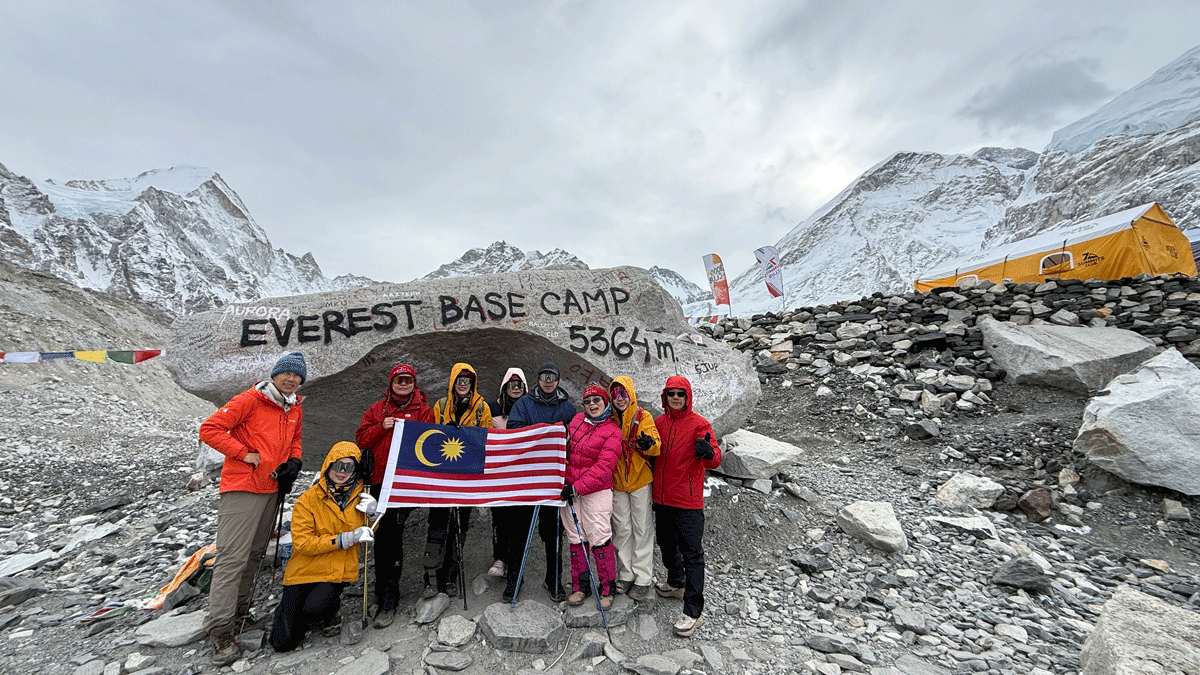
On this day, you’ll once again return to the primary trail of Everest to visit the Everest base camp. After a couple of hours of trek through rocky and uneven terrain following the lateral moraine of the Khumbu Glacier, you will reach Gorakshep. After leaving the bags here, you’ll continue lightly towards the Everest Base Camp. The path is winding and still follows the edge of Khumbu Glacier until you notice tents.

While the walk is beautiful, the high altitude makes it challenging. Upon arrival at Everest Base Camp, you will feel the incredible atmosphere and get up-close views of the Khumbu Icefall. However, you can’t see the summit of Mount Everest as the massive Nuptse ridge blocks it. It’s still an iconic location, so take time to take photos and absorb the moment. After that, you will return to Gorakshep for the night.

Day 10

Early Morning Climb to Kala Patthar and Trek to Dzongla from Gorakshep

8 hours trek B.L.D Lodge 4,830m/15,846ft

You will start the day with a sunrise hike to the ridge of the Kala Patthar peak (5,545m). The climb to this popular natural viewpoint is steep. It’ll feel relatively easier, but it is still challenging as you have to walk at a high altitude for 1.5 hours. Soon after you reach the top, you are face-to-face with the amazing golden view of at least three 8,000m peaks: Everest, Lhotse, Makalu, along with 6,000-7,000m peaks like Nuptse, Pumori, Ama Dablam, and many others.

After soaking in the view, you’ll return to Gorakshep for breakfast. After that, the Everest High Passes Trek continues towards Dzongla, and you leave the primary EBC trail again. The section is a classic,  lesser-chosen path to the village where you will rest and prepare for the second pass, Cho La.

Day 11

Trek from Dzongla to Cho La Pass, then to Thagnak

7 hours trek B.L.D Lodge 4,700m/15,846ft

You will start the day 11 of the Everest 3 High Passes trek early, aiming for the Cho La pass (5420m) today. While Cho La isn’t considered the hardest of the three passes, it is the most technical. You’ll require crampons for the steep rise and glacial sections here. After 4-5 hours of relentless walking, you will reach the pass adorned with prayer flags. Its summit acts as a vantage point for different sides of the Mahalangur Range and the largest glacier known in the Himalayas, Ngozumpa Glacier, which stretches about 36km.

Celebrate the successful climb with the group, rest, and take some photos to preserve this beautiful moment. Then, you will start the return trek to Thagnak before the heavy wind starts to blow as the day advances. The downhill walk is steep and unstable, with loose scree along the glacier’s moraine. Upon arriving at the village, spend the rest of the day resting and recovering. Overnight stay in a teahouse at Thagnak.

Day 12

Trek from Thagnak to Gokyo Lake

3 hours trek B.L.D Lodge 4,790m/15,715ft

From Thagnak, you will enter the Gokyo Lake trail today. The charming village of Gokyo is nestled on its shores at an elevation of 4,790m. This village has five beautiful lakes that form the Gokyo Lake complex, one of the highest glacial lake systems in the world. The path towards Gokyo Village is mostly flat and crosses the Ngozumpa Glacier’s lateral moraine. This allows you to witness a distinct and rugged landscape.

After about 2-3 hours, you will pass by the first lake, Taboche Tso, and then the second lake, Longpongo Tso. Soon after, you will arrive at the third and largest of the Gokyo Lake complex, Gokyo Tso (also known as Dudh Kunda). On its bank, you’ll see a cluster of houses, where you’ll be staying for today. Then, you can take a short hike to the fourth and fifth lakes, Thonak Tso and Ngozumpa Tso, which offer stunning and serene views of the surrounding snow-capped peaks.

Quick Insight:Tso” means Lake in Tibetan.

Day 13

Acclimatization: Early Morning Climb to Gokyo Ri

4 hours trek B.L.D Lodge 5,357m/17575ft

On day 13, you’ll have the third acclimatization day at Gokyo and hike to the famous Gokyo Ri (5,357m) for a beautiful sunrise view. You may find it challenging, like the Cho La pass, but the climb is steep and relentless. However, it doesn’t involve any technical climbing or glacial sections. The effort will be worth it once you reach the top and see 4 of the top 10 highest peaks: Everest, Makalu, Lhotse, and Cho Oyu in one frame.

Moreover, the view includes other peaks like Nuptse and Ama Dablam, as well as the massive Ngozumpa Glacier and the pristine blue waters of the Gokyo Lakes. You see the entire Gokyo valley itself, with the village appearing as a cluster of houses on the banks of the third lake. After some time here, return to Gokyo and prepare for the next pass day.

Day 14

Trek from Gokyo to Renjo La Pass to Lungden

8 hours trek B.L.D Lodge 4,380m/14,370ft

Now comes the day for the third and final pass of the 18-day Everest trek with three passes. The ascent to the Renjo La pass (5,360m) is the shortest of the three. Still, the steep and rocky terrain makes it tricky, especially if the weather is adverse. After 3-4 hours of the demanding climb, you will reach the summit.

From the pass top, you can view the Gokyo valley and its turquoise lakes for the last time, along with the majestic Himalayas that follow you up to the Lukla flight. You will continue down to Lungden to rest for the day. Having completed all the most challenging trails of Everest, you can now relax. Overnight stay in a teahouse at Lungden.

Day 15

Trek from Lungden to Thame to Namche Bazaar

7 hours trek B.L.D Lodge 3,440m/11,286ft

Today you return to Namche Bazaar. From Lungden, the Everest Three Passes Trekking Route follows the Bhote Koshi river valley as the landscape changes from barren alpine to greener, more wooded areas. Enjoy the changing landscape and scenery as you get past small villages and yak pastures to reach Thame (3,800m).

Thame is a traditional Sherpa village that still remains untouched by the heavy influence of tourism. You will have a quick lunch here. While waiting for lunch, you can admire the simple lifestyle, traditional art, and a much more relaxed way of living. Then, you need to walk for two more hours downhill to Namche Bazaar. Overnight stay in a lodge/teahouse in Namche Bazaar.

Day 16

Trek from Namche to Lukla

21/13 miles/ km/7 hrs B.L.D Lukla Inn 2,860m/93,83ft

On the last leg of the trek, you will retrace your steps from Namche to Lukla. While the path may be familiar, you can still experience new things and admire the scenery as you trek for about 6-7 hours. You lose 580m, which is a significant amount of elevation. As you pass by the settlements and monuments of the EBC trail, you will conclude the walking section in Lukla.

Once you reach Lukla, freshen up and explore the town for souvenir shopping in the evening. You can also wander its lively main street, browsing souvenir shops, and toasting the trek’s completion with fellow trekkers over a well-earned meal. Overnight stay in a teahouse at Lukla.

Day 17

Fly to Kathmandu from Lukla

35 min flight B Hotel Thamel Park 1,350m/4,429ft

From Lukla, you will take the morning flight to Kathmandu. You can enjoy the views of the Himalayas one last time from the plane. After landing in Kathmandu, we will transfer you to your hotel. You have the remainder of the day free to do whatever you want. However, join us for a farewell dinner in the evening.

At dinner, you can share your stories and experiences from 18 days Everest Three Passes Trek with us and provide us with valuable feedback. Say goodbye to your trekking crew that made the trek possible. Overnight in a hotel in Thamel, Kathmandu.

Day 18

Departure to your Home

30 min to Airport B

On the final day of your journey, it is time to close this chapter with your mind and bags filled with memories of your incredible Three Passes Trek adventure. Our representative will escort you to Tribhuvan International Airport (TIA) in a private vehicle for your scheduled departure flight.

We hope you had a wonderful journey with Hillary Step Treks and wish you a safe journey back home.

Cost Inclusion/ Exclusion

Accommodation

  • Two nights’ accommodation in Kathmandu (Hotel Thamel Park with Breakfast)
  • 15 nights mountain Standard Accommodation during the Everest Three Passes Trek

Meals

  • All the mountain Standard meals( Lunch.Dinner & Breakfast/the main course)

Transportation

  • Pick up/Drop off from the International & Domestic airport by private vehicle
  • Both ways Kathmandu to Lukla & Lukla to Kathmandu by flight with airport tax

Extras

  • Sagarmatha National Park Fees
  • Khumbu Pasang Lhamu Rural Municipality
  • Trekker’s Information Management System (TIMS) card fees
  • Professional, Experienced, & government licensed holder of English-speaking trekking guide
  • Porter (2 trekkers: 1 porter)
  • Staff costs, including their salary, insurance, equipment, food, and accommodation, etc.
  • Sleeping bag (if needed)
  • Duffle bag
  • Trekking Map
  • First aid kit
  • Seasonal fruits
  • All government and local taxes

Not Included

  • International airfare.
  • Nepal visa fees at Tribhuwan International Airport (15 Days USD 30, 30 Days USD 50, and 90 Days USD 125).
  • Lunch and Dinner in Kathmandu.
  • Extra accommodation in Kathmandu is required due to early arrival, late departure, or early return from the trek.
  • All the drinks like tea, coffee, Coke, Fanta, mineral water, boiled water, hot shower, battery charge, desert, etc.
  • Your personal trekking gear.
  • Your travel insurance should include emergency rescue.
  • Tips for guides and porters.

Everest Three Passes Trek Route Map

Everest Three Passes Trek - 18 Days map link
Download map

Book the Dates
upcoming fixed departures

Three Passes departures are offered throughout the year, apart from prime season, so you can fulfill your dream of crossing the Everest three high passes. Join a strong group of trekkers on a well-paced, challenging itinerary or set your own start day.

Everest Three Passes Trek

Start: Mon, Jul 06
End: Thu, Jul 23

Trip Status: Booking Open
USD $1920/per person

Start: Mon, Jul 13
End: Thu, Jul 30

Trip Status: Booking Open
USD $1920/per person

Start: Mon, Jul 20
End: Thu, Aug 06

Trip Status: Booking Open
USD $1920/per person

Start: Mon, Jul 27
End: Thu, Aug 13

Trip Status: Booking Open
USD $1920/per person

Best Time to Trek Nepal’s Three Passes

The Everest Three Passes Trek is best divided into two main trekking seasons, Spring and Autumn, while Summer and Winter are generally considered the off-season due to more challenging trail conditions.

Spring (March-May)

March opens the trekking season with fresh snow from winter still coating the upper passes. The trails are passable, but Kongma La and Cho La may carry slippery ice patches early in the month. By April, the snowpack thins significantly, daytime temperatures at Namche reach 10-12°C, and the passes are at their most accessible.

Rhododendrons bloom across the lower valleys, and mountain views are crystal clear. May remains excellent, though crowds build up and pre-monsoon afternoon clouds can roll in quickly by midday above 4,500m. Lukla flight reliability is good throughout spring, with delays mainly from early-morning fog in April.

Autumn (September-November)

Post-monsoon, the skies clear dramatically. September still carries some residual moisture and occasional afternoon showers below Namche, but conditions stabilize sharply from early October. October is considered the single best month for the trek, with stable weather, firm trail surfaces, excellent visibility, and lower snowpack on the passes.

Kongma La and Renjo La are fully accessible. November brings colder nights (down to -10°C above 4,500m), and the high passes can attract early snowfall by late November, but the trail remains doable for well-prepared trekkers. Lukla flights are most reliable in October and early November.

Winter (December-February)

Winter trekking in the Everest Three Passes Trek is extremely challenging and suitable only for highly experienced trekkers. Heavy snowfall often buries trail markers, making navigation difficult, while Cho La frequently turns into a sheet of black ice. Avalanche risk is also highest on the steep slopes of Kongma La. To make things even tougher, many teahouses above 4,000 meters close for the season, which can significantly complicate logistics.

Summer and Monsoon (June-August)

Summer brings heavy monsoon rain that turns rocky trails into slippery streams and increases the risk of landslides throughout the lower Khumbu. Flights to Tenzing-Hillary Airport are often delayed or canceled for days due to poor visibility. Thick cloud cover usually blocks the mountain views, and leeches become a common annoyance on the lower trails. For most trekkers, this is the least favorable season for the full circuit.

Restricted and Challenging Treks In Nepal Blog might interest you if you love remote terrains with less crowded adventure.

How Difficult is the Everest Three Passes Trek?

The difficulty level of the Everest Three Passes Trek is moderate to challenging. For the veteran and experienced trekkers, the trekking destination might be a bit less challenging; however, for beginners, this is among the most strenuous treks in Nepal. Several factors influence the difficulty level of the Three High Pass Trek, which are explained below:

High Risk of Altitude Sickness During Multiple Passes Above 5,000m

The high altitude is one significant factor influencing the difficulty of the Everest Three Passes Trek. In this trek, the highest elevation you will be trekking above the altitude of 5,200m for many days. Trekking in these high elevations will increase the chance of altitude sickness. Any trekkers suffering from altitude sickness will not be able to complete the trek and will need immediate medical attention.

Long Trek Duration with 6-7 Hours of Daily Walking Over 18 Days

The Everest Three Passes Trek is challenging mainly because of its long distance and duration. The total duration of this trek ranges from 15 to 18 days, and every day, trekkers have to trek for 6-7 hours to cover a lot of distance. Since the trekkers must work several hours daily for at least two weeks, it will tire them. Hence, trekkers need to increase their physical stamina.

Technical Passes and Steep, Icy Routes Like Cho La, Kongma La, and Renjo La

The EBC High Pass trek is one of the longest treks in Nepal, and when you compound it with the challenging routes that the trekkers have to pass daily, it makes the trek quite tricky. In the lower altitude, the trekking route can be more accessible; however, as the altitude increases, trekkers must pass through rocky valleys, steep ascents, glacial moraines, and slippery, snowy mountains. Naturally, trekkers will find it hard to trek in these trekking conditions easily.

Unpredictable Weather and Flight or Trail Delays in the Khumbu Region

Trekking in the Khumbu region, also known as the Everest region, can be difficult because the weather can be unpredictable. If you’re trekking during the off-season, be careful. The weather can make the Everest Three Passes trek more challenging. Even though the weather is usually good during the peak season, it can freeze at night, dropping below freezing. So, it’s important to pack lots of layers and warm clothes. Flights from Kathmandu to Lukla might be canceled if the weather is bad because it’s essential to have safe conditions for landing. When trekking in the Everest region, it’s wise to plan for extra days to allow for possible weather delays and ensure your trek goes smoothly.

Here’s how it compares to other popular routes in the Khumbu in terms of difficulty:

Trek Maximum Elevation Duration Technical Sections Overall Difficulty
Everest Three Passes Trek 5,535m at Kongma La 18 days Three high passes with glacial and icy sections Most Challenging
Everest Base Camp Trek 5,364m at Everest Base Camp 14 days None Moderate to Challenging
Gokyo Lakes Trek 5,357m at Gokyo Ri 12 to 14 days None Moderate
Everest Base Camp via Gokyo Trek 5,535m 16 to 17 days One major pass, Cho La Challenging
Island Peak Climbing 6,189m 18 to 20 days Technical summit climb Highly Technical

Is the Everest Three Passes Trek Suitable for Beginners and First-Time Trekkers?

The Everest Three Passes Trek is a challenging route that lasts 18-day duration and involves crossing three high mountain passes. Even trekkers with prior high-altitude experience often find it demanding. This is not a trek where fitness alone is enough. You cross three passes above 5,000 meters, move through glacial terrain, and spend long stretches above 4,500 meters for nearly a week. Before booking, it is important to honestly assess whether your current experience level matches what this route requires.

If you are a first-time trekker or have never been above 4,000 meters, this route will likely feel overwhelming. The Everest Base Camp Trek is a better starting point, as it follows part of the same trail, helps you build real altitude experience, and still delivers a full Himalayan journey. If you have already completed EBC or a similar high-altitude trek and want something more demanding, the Three Passes route is one of the most rewarding next steps.

High Trek Cost for Flights, Permits, and Remote Logistics

The Everest Three Passes Trek is among the more expensive treks in Nepal, and the pricing reflects its logistics. It starts from around USD 1,920 per person for solo trekkers and drops to about USD 1,250 per person for larger groups of 13-18. The cost includes Lukla flights, 18 days of guiding and porter support, and permits for the Khumbu region.

Compared to the standard 14-day Everest Base Camp trek, you are paying for extra days on the trail, more complex logistics across three high passes, and remote sections where evacuation options are limited. While it costs more than EBC, it is still far cheaper than luxury Everest itineraries or climbing expeditions. If budget matters, joining a group is the most practical way to reduce costs without cutting safety.

Health Requirements for Multiple Passes Above 5,000m

This trek takes you above 5,000 meters three times and keeps you above 4,500 meters for extended periods, which places significant strain on your body. Anyone with heart conditions, lung issues, or a history of severe altitude sickness should consult a doctor before considering it, and in some cases, a lower-altitude trek is a better option.

For trekkers with a high level of physical fitness, the risk is manageable with proper pacing and preparation. The acclimatization stops at Namche Bazaar, Chhukung, and Gokyo, which follow standard altitude guidelines and reduce AMS risk when respected. Age is not a limiting factor, as trekkers in their 50s and 60s complete this route regularly. What matters most is baseline fitness and the discipline to follow the itinerary.

Time Commitment of 18 Days for the Full Trek

At 18 days, this is one of the longest standard trekking routes in the Everest region. Most days involve 6 to 8 hours of walking, with the three pass days being the most physically and mentally demanding. The itinerary is not designed to be shortened, as removing acclimatization days increases the risk of altitude sickness and can lead to evacuation before completion.

If you want to know why this trek is exciting even though it’s tough, you can explore Triple Thrills on the Everest to learn more.

Everest Three Passes Trek Cost

The Everest Three-Pass Trek costs start from USD 1,250 to 1,920 based on the number of trekkers in the group. The more people in the trekking group, the price per person decreases considerably, and vice versa. Furthermore, the Everest Three Passes Trek is among the toughest treks in Nepal, which is why trekking with groups, guides, and porters is recommended.

The Everest Three Passes Trek’s overall cost also depends on other common factors such as meals, accommodation, transportation, guides’ fees, porters’ fees, guides and porter tips, etc. So, before planning for the trek, you might need to consider your budget and determine which trek you need, whether budget-friendly or luxurious. Moreover, before booking the trek, compare the costs of many other trekking companies and check for discounts, concessions, etc.

Often, trekking companies provide discounts, free services, amenities, etc, during the festivals, special occasions, or the anniversaries of the trekking agency. So look for deals and other aspects that decrease the overall amount before booking the trek. However, trekkers must focus not only on discounts but also on the reputation and ratings of the trekking agency.

Food and Accommodation During the Everest Three Passes Trek

The challenge of the Everest Three Passes Trek is not just the altitude, but also the remoteness and isolation as you move deeper into the circuit. This directly affects what you eat, where you sleep, and even how basic supplies are managed.

Where You’ll Stay During the Trek

Accommodation on the Everest Three Passes Trek is based entirely on teahouses, which are simple, locally run lodges found along the route. In lower sections like Lukla, Phakding, and Namche Bazaar, these lodges are relatively comfortable with better-built rooms, more stable electricity, Wi-Fi in some places, and occasionally private or semi-private bathrooms. As you gain altitude and move toward Dingboche, Chhukung, Lobuche, and Gokyo, the infrastructure becomes more basic, with simpler buildings, limited heating, and fewer facilities, as everything depends on helicopter or porter supply chains.

Inside most teahouses, rooms are basic but functional, usually twin-sharing with beds, mattresses, pillows, and blankets provided, while bathrooms are generally shared and located outside the rooms. Hot showers are rare at higher altitudes and often cost extra, depending on fuel availability. Electricity can be inconsistent above 4,000 meters, and charging devices usually come with a small fee. The dining hall becomes the main gathering space, often heated by a central stove, where trekkers eat, rest, and stay warm.

Carrying a sleeping bag is strongly recommended, especially above 4,500 meters, since temperatures drop sharply at night, and added insulation makes a big difference to comfort and recovery. Also, secure rooms ahead of time, especially in the peak trekking season in Nepal.

Meals on the Everest Three Passes Trek

On the Everest Three Passes Trek, your body burns significantly more calories than at sea level, so eating regularly is essential for maintaining energy across 18 days. You get three meals a day included throughout the trek, and your guide typically selects teahouses known for safe and reliable food. In lower villages, the menu is more diverse, but in areas like Dingboche, it becomes simpler and more focused on warm, high-carbohydrate meals that are easier to digest at altitude.

Category What to Expect
Breakfast Eggs (boiled, fried, scrambled), toast, chapati, porridge, bread, soup
Lunch Dal bhat, chowmein, noodle soup, pasta, sandwiches, momos
Dinner Dal bhat, vegetable curry, fried rice, pasta, momos, soup
Warm drinks Ginger tea, lemon tea, garlic soup, hot lemon water, green tea
What to avoid Alcohol, heavy dairy above 3,500m, excess caffeine, non-veg above Namche
Local staple Dal bhat

Drinking Water Facilities on the Everest Three Passes Trek

Water is available throughout the route, but access becomes more limited and more costly as you move above Namche Bazaar. You will always find water at teahouses and rest stops, but drinking directly from taps, streams, or hand pumps is not safe without proper treatment, no matter how clean it appears.

You can refill boiled or filtered water at teahouses for around USD 1-2 per liter, and this price gradually increases at higher elevations, where maintaining supply is harder. Bottled water is also widely available, but it becomes expensive in remote areas near the high passes, sometimes reaching USD 4 or more, so depending on it for the full trek is not practical over 18 days.

You can find fresh streams in the lower sections, but they should be purified before drinking. That’s why you should carry water purification tablets or a UV purifier like a SteriPen, especially for places where boiled water isn’t available. They reduce your reliance on teahouse water and help control costs on longer days.

Note: Aim to drink 3-4 liters of water per day throughout the trek, especially above 4,000 meters, as consistent hydration helps reduce fatigue and lower the risk of altitude sickness.

Internet and Phone Connectivity on the Everest Three Passes Trek

Internet and phone connectivity are essential in high-altitude remote treks like the Everest Three Passes Trek. Connecting with your loved ones or a trekking agency is necessary. For internet access, the Everest region has been primarily served by Everest Link since 2014. You can purchase data cards at the teahouses on the trail, which offer various packages (e.g, a 10GB card costs around USD 20). The signal is generally good enough for messaging and basic browsing, but may be unreliable for video calls or streaming.

The phone network, however, is not available in all parts of the trek. While mobile connections from providers like Ncell and NTC work well in lower sections, coverage becomes very poor or non-existent in high-elevation areas like the passes and valleys. Therefore, your only reliable communication option at the highest points will be a satellite phone, which you can rent.

Quick insight: Teahouses charge additional costs (around USD 2-USD 5 per hour) to charge your electronic devices.

Preparing for the Everest Three Passes Trek

Everest Three Pass Trek is one of the most rewarding treks in Nepal. However, it is also one of the most challenging treks. Most trekkers don’t quit because of the passes themselves. They struggle before that, right from the climb to Namche Bazaar. Yes, the trek is doable, but only if you prepare with the same seriousness the route demands.

Physical fitness

Start training at least 8-12 weeks before your trip. You need two things: cardio endurance and strong legs. Cardio helps you handle long trekking days, while leg strength protects your knees on steep climbs and long descents.

Do cardio 4-5 times a week through running, cycling, or swimming, and slowly build up to 60-90 minutes per session. Add stair climbing with a 10-12 kg backpack because it closely matches the uphill effort you face on passes like Cho La and Kongma La. If you can, train on hills instead of only flat ground, since real trekking involves constant elevation change.

Build leg strength with squats, lunges, step-ups, and calf raises. Focus extra on downhill training because descents from Kongma La and Cho La put serious pressure on your knees. Many trekkers prepare only for uphill and feel the impact later. Add 3-4 multi-day hikes before your trip with a 6-8 kg daypack so your body gets used to repeated effort. If possible, spend time above 3,000 meters at least once to see how your body reacts to low oxygen.

Mental fitness

Fitness gets you to the passes, but mindset gets you across them. Each pass brings its own mental challenge. Kongma La comes after several tough days and tests your endurance. Cho La feels more stressful because of the icy glacier crossing. Renjo La hits when your body already carries nearly two weeks of fatigue. None of these days feels impossible alone, but together they demand consistency and patience.

Daily life on the trail also tests your mindset. Teahouses above Dingboche stay basic, rooms stay cold, and comfort drops as altitude increases. Some days bring no clear mountain views, only walking and repetition. If you expect constant scenery or comfort, the routine will feel harder than the climbs.

Prepare your mindset by getting used to discomfort before the trek. Walk long distances without distractions, train in cold conditions when possible, and practice slow, steady pacing instead of pushing fast. On this route, speed does not help you. Consistency does. Also, stay honest with your guide about symptoms like headaches or dizziness. Reporting them early protects your trip, not ruins it.

Gear preparation

Start preparing gear 4-6 weeks before departure, not at the last minute. This gives you time to test everything properly and fix issues before you reach Nepal.

Your trekking boots matter the most. Break them in fully before the trek starts, because even a small blister can become a serious problem in remote sections of the Khumbu. Choose boots with good ankle support and a stiff sole suitable for rocky and icy terrain. You may need crampons for Cho La, and sometimes Kongma La, depending on the season, so check compatibility in advance.

Layering keeps you alive and comfortable on this route. Temperatures swing from warm days at lower altitudes to freezing nights above 4,500 meters. A base layer, fleece, down jacket, and waterproof shell form your core system. Bring more warm layers than you think you need because cold slows recovery and makes every day harder.

What Is The Highest Point During Everest Three Passes Trek?

The highest point of the Everest Three Passes Trek is Kongma La at 5,535m, reached on Day 8 after an early start from Chhukung. The climb is long and steep over rocky terrain, and the top gives wide views of Everest, Lhotse, Makalu, Ama Dablam, and the Khumbu Glacier.

There are two acclimatization hikes that actually reach slightly higher elevations than Kongma La, but they serve different purposes. Chhukung Ri reaches 5,546m on Day 7, and Kala Patthar reaches 5,545m on Day 10. Both are day hikes where you return the same way, while Kongma La is a full pass crossing where you continue descending into the next valley, so you commit to the route no matter what conditions you face at the top.

A Typical Day in the Everest Three Passes Trek

  • 5 AM-6 AM: You can start your day on the EBC trek by waking up early at the teahouse where you stayed. The trek begins from around 5 AM to 6 AM, and you can enjoy a tasty local breakfast with a breathtaking view of the region’s mountains, peaks, and valleys.
  • 7 AM-8 AM: Get ready for the hike after breakfast. Pack essential items and wear layers of clothes suitable for the altitude. Prepare a separate handbag for things you’ll need along the way, like snacks, chocolates, water bottles, and sunglasses.
  • 8 AM-12 or 1 PM: You will start hiking around 8 or 9 AM, depending on when you wake up. This part of the hike usually takes 4-5 hours. After walking for that long, it will be time for lunch, depending on your plan.
  • 12 PM-1 PM: You’ll have an hour-long break for lunch and relaxation. The guide or trekking agency will bring you to a suitable teahouse for lunch, where you can enjoy local dishes like Dal and Bhat and Western options such as pizzas, burgers, and spaghetti at some teahouses.
  • 1 PM-4 PM: After resting and having lunch, we walk in the afternoon. This walk takes 4-5 hours. Because we might be tired, we will walk a short distance and stroll around. We will visit different villages, old temples, monasteries, etc., and the sun’s light casts shadows on the mountain towns when it gets darker.
  • 4 PM-5 PM: It’s evening and time to go to the teahouse. It’s best to go before sunset when there’s still light outside.
  • 5 PM-7 PM: You can put your bags in your room when you arrive in the village. Relax by the fire with a hot cup of tea or coffee and chat with the locals. You can also ask for internet access to connect with your loved ones, explore the villages, visit local temples and monasteries, and meet local people.
  • 7 PM-8 PM: It’s time for dinner. You may have local meals, but some teahouses offer Western options, too. Join everyone for dinner, as it’s a great time to share stories and socialize.
  • 8 PM-10 PM: It’s essential to head to bed early after dinner. You have a tough day of trekking tomorrow, so getting a good night’s rest is wise. Wish your crew goodnight and try to fall asleep quickly to give your body and mind the rest they need.

Permits You Need for the Everest Three Passes Trek

To trek in the Everest region, you need a few permits. For every trekker wishing to hike, the EBC needs at least two permits: the Sagarmatha National Park and Khumbu Pasang Lhamu Rural Municipality permits. Trekking the EBC via Jiri also requires another license in the Gaurishankar Conservation Area permit. Before the application for the municipality permit, every trekker must issue the TIMS card, which is now optional, so let’s get into them.

Sagarmatha National Park Permit

Everest Base Camp lies in the middle of one of Nepal’s most prestigious national parks, Sagarmatha National Park. First, trekkers must get a Sagarmatha National Park permit from the Nepal Tourism Board or Monjo’s Sagarmatha National Park entrance gate. It costs NPR 3000 per person and supports park conservation.

Khumbu Pasang Lhamu Rural Municipality Permit

To begin your trek in the Khumbu region, you must obtain a permit from the Khumbu Pasang Lhamu Municipality. This permit is required for all visitors to the area. You can get the license at the Lukla Checkpoint on your first day of trekking or at the Monjo checkpoint if you are trekking through Jiri or Salleri. The cost of the Khumbu Municipality permit is approximately USD 16.

Gaurishankar Trekking Permit

If you’re traveling to Everest Base Camp from Jiri, you may need a permit for the Gaurishankar Conservation Area. To begin your journey, take a bus or private car to Jiri, which is a 7 to 8-hour trip from Kathmandu. Once in Jiri, obtain the permit, and you can start your hike to Everest Base Camp. You can purchase the license in Shivalaya or at the Nepal Tourism Board in Kathmandu. The Gaurishankar Conservation Area permit costs USD 16 or NPR 2000.

TIMS Card

When trekking in Nepal, you can get a Trekkers’ Information Management System (TIMS) card from the Nepal Tourism Board or a TIMS counter in Kathmandu or Pokhara. This card allows you to track your movements and receive emergency support in some areas of Nepal. If trekking independently, getting permits for the three passes (Renjo La, Cho La, and Kongma La) from the Nepal Tourism Board or the entrance gates to each pass is necessary.

Altitude Sickness and Remedies for the Everest Three Passes Trek

Altitude sickness, also called Acute Mountain Sickness (AMS), is the biggest health risk on this trek. The route takes you above 5,000m three times and keeps you above 4,500m for long stretches, so your body stays under low-oxygen stress for many days, more than on the standard Everest Base Camp trek.

The itinerary includes three acclimatization days for a reason, and each one directly supports the next high section. Day 4 in Namche Bazaar (3,440m) is your first real altitude adjustment, where you hike higher during the day and return to sleep lower, following the “climb high, sleep low” method. Day 7 in Chhukung (4,730m) prepares your body for the toughest climb of the trek, Kongma La, by again pushing the altitude during the day. Day 13 in Gokyo (4,790m) gives your body recovery time after two passes, with a hike to Gokyo Ri (5,357m) to maintain acclimatization before the final challenge.

Some days carry a higher risk because of altitude, fatigue, or technical terrain. These include crossing Kongma La on Day 8 at 5,535m, sleeping at Gorakshep after reaching Everest Base Camp on Day 9 at 5,364m, the early ascent of Kala Patthar on Day 10 at 5,545m, the icy glacier crossing of Cho La on Day 11 at 5,420m, and the final pass, Renjo La on Day 14 at 5,360m, when fatigue is already high.

These high-risk days on the Everest Three Passes Trek push your body hard because altitude, fatigue, and technical terrain all stack up at once. Here are some of the remedies for altitude sickness:

  • Move slowly and steadily from the moment you start the ascent, especially on passes like Kongma La and Cho La, since rushing increases AMS risk fast.
  • Keep a consistent breathing rhythm and avoid stopping too often, because irregular pacing makes altitude symptoms worse.
  • Drink small amounts of water frequently throughout the day instead of waiting to feel thirsty, aiming for 3-4 liters total.
  • Eat even when appetite drops, especially carbs like dal bhat or noodles, since low energy makes altitude feel harsher.
  • Stay in close communication with your guide if you feel headaches, dizziness, or nausea, even if they seem mild at first.
  • Avoid alcohol and sleeping pills completely at high altitude because they slow down acclimatization and worsen oxygen levels.
  • Descend immediately if symptoms get worse instead of trying to push through, since even a small drop in elevation often brings quick relief.

Do You Need Insurance for the Everest Three Passes Trek?

Travel Insurance is very important for travelers or trekkers, especially those heading to different countries for adventure in the Himalayas. The main reason for issuing travel insurance for these adventure treks is to prevent the trekkers from incurring additional expenses during the trek. For this trek, the travel insurance must cover the high-altitude trekking and emergency evacuation, saving them thousands of dollars if anything unforeseen happens.

Travel insurance covers medical expenses, luggage loss, property damage, flight cancellations, personal liability, etc. However, keep in mind that there are certain expenses that travel insurance does not cover, such as prior medical conditions, expensive jewelry, private items, injuries due to risky activities, or drug abuse.

Benefits of Choosing Hillary Step Treks (HST)

We are experienced. Our team has managed treks in the Everest region for well over two decades.

* Our guides are fluent in English, Nepali, and Local Sherpa dialects. They know the terrain, culture, people, and the Sagarmatha National Park through & through.
* HST will provide you with the best value services for your money. No hidden cost, every step with HST is transparent and clear. We value our clients over profit any day.
* Your safety is the top priority while trekking with the HST team.
* We go the extra mile to assure you of a complete trekking experience in Nepal. HST is your ideal choice for trekking in Nepal.

18 Day Everest Three Passes Trek Packing List

Here is a general gear and equipment list for the Everest Three High Mountain Pass trek.

Upper Body:

A long-sleeve thermal base layer

  • Trekking shirt
  • Insulation layer
  • fleece jacket
  • Warm Down Jacket
  • Gloves
  • Waterproof jacket
  • T-Shirt lightweight

Head:

  • Beanies and ear warmers
  • Sunhat & Scarf
  • Headlights with extra batteries

Face:

  • Sunglasses with UV protection
  • Sunscreen
  • Dust Masks
  • Lip Balm
  • Face /Body wipe

Legs & Boots: 

  • Trekking Pants, two pairs
  • Waterproof jacket
  • Trekking boots
  • Sport Shoes
  • Gaiters
  • Crampons (If snow or Ice)
  • Slippers
  • Thermal Leggings
  • Underwear & thick Socks

Essentials Gear: 

  • Trekking pole
  • Sleeping bag
  • Towels
  • Raincoat
  • Water bottle
  • Backpack or Day pack

Toiletries:

  • Quick-drying towel
  • Toilet paper
  • Toothbrush
  • Toothpaste
  • soap
  • Shampoo
  • Small mirror
  • Nail cutter

Personal accessories:

  • Money
  • Camera
  • Phone
  • Watch
  • Power bank
  • Extra batteries for the Camera

Extra:

  • Diary & Pen
  • Books
  • Extra Passport copy and Photos
  • Binocular
  • First Aid Kits

Note: The above list can be customized per the trekkers’ seasons and necessities.

What's Asked by Everest Three Passes Trek Travelers?

Expand All

Traveler Reviews of the Everest Three Passes Trek

5.0

2 Reviews

Write a review
This field is for validation purposes and should be left unchanged.

Review Trip

Max. file size: 2 MB.
Trekking the Everest Three High Passes. was a remarkable experience that altered my life. I was part of a small group, which improved the encounter and made it more intimate. After the trek, we had lunch at each of their homes, which was beautiful. My guide Hari and Porter were the kindest individuals I have ever encountered. the best dude ever! I highly recommend Hillary Step Treks and am currently planning my next expedition.

Namaste Bro!

5.0 stars 5.0
Hari's team is always reliable and helpful. We have been establishing a firm family-like friendship during our go-togetherness the past decade.
Similar Trips
EBC-Trek

Modarate - Challenging

14

Days

$1,550

Starting from

Everest Base Camp Trek
View Trip Itinerary
Trip Link
Island Peak Expedition

Difficult

15

Days

$2,300

Starting from

Island Peak Expedition
View Trip Itinerary
Trip Link
Gokyo Renjo La Pass Trek

Moderate

13

Days

$1,510

Starting from

Gokyo Renjo La Pass Trek
View Trip Itinerary
Trip Link
This field is for validation purposes and should be left unchanged.

Trip Inquiry

MM slash DD slash YYYY
trekking inquire
Planning Your Journey to Nepal?

Discover the essential travel requirements for Nepal, including visa procedures, current travel restrictions, and health and safety guidelines. Our travel expert will guide you through the latest entry requirements based on your departure country and passport, ensuring you’re prepared for your Himalayan adventure.

Book a free Consultation Call