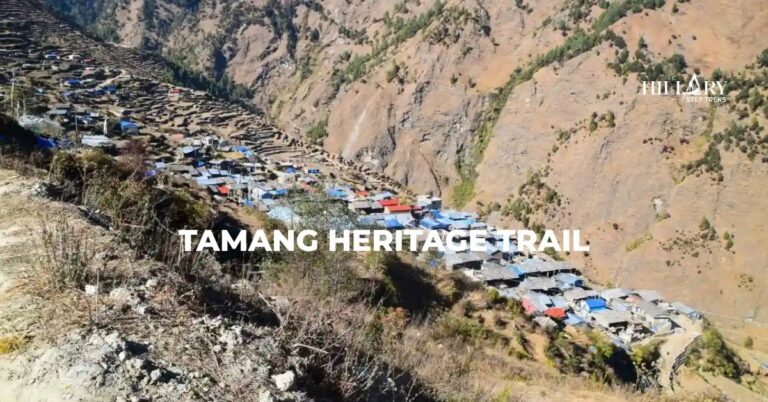

Located at an altitude of approximately 2,030 meters, Dhunche village serves as a starting point for both the Langtang Valley Trek and the Gosaikunda Trek. The village itself is wrapped in cool breezes and prayer flags. It feels earthy yet elevated, lived-in yet deeply connected to the wild beyond. As you truly step into the Himalayas from here, the air and the mood all shift, and your anticipation peaks.
As a major starting point for both treks, understanding Dhunche’s character and rhythm helps shape your experience. Here’s a blog to guide you to everything you need to know about starting your trek from Dhunche.
The Journey to Dhunche
A journey of approximately 4 to 7 hours (depending on the road conditions) from Kathmandu takes you to the town of Dhunche in Rasuwa District. The vehicle follows the restless rhythm of the Trishuli River along the Pasang Lhamu Highway. Initially, the drive gradually climbs past terraced hillsides and scattered villages, such as Bidur and Kakani. You can peek on either side of the window to witness an occasional glimpse of distant snow-capped mountains like Ganesh Himal and Langtang Himal.
Then, the valley slopes draw closer, and cliffs rise sharply. You can see the waterfalls running over the cliffs, while the river crashes louder and wilder in the valley below the road. The road can be dusty in the autumn months, but turns misty during winter. Similarly, green dense forests fill the lower valleys in summer. But regardless of the season, every turn towards Dhunche is promising.
As you near the village, the presence of the mountains deepens. The wind cools, and the air turns thinner, already hinting at the trails ahead.
Everyday Life and Experiences in Dhunche
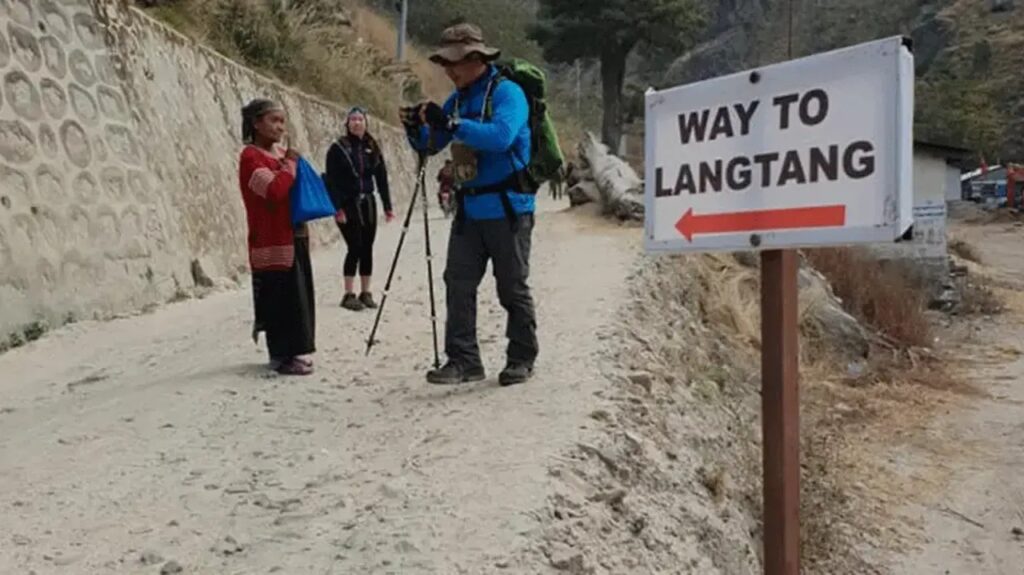
Upon arrival, you can feel the atmosphere cooling and the environment becoming more alpine. Some of the popular activities in Dhunche are:
Settle and Notice How Dhunche Welcomes You
The first thing you notice in Dhunche is small hotels, guesthouses, and shops catering to trekkers. You’ll see some trekkers sorting their trekking gear on lodge verandas as monks pass quietly between prayer wheels. The smell of hot tea drifts from small cafes and restaurants. Our Nepali driver recalls, “Everyone arrives tired… but in the evening they end up all smiling again.” Dhunche just has that effect.
Soak in the Landscape & Mountain Vistas
Dhunche sits on a pine-covered hillside. You can see high ridges to the north and a deep valley below them. On extremely clear days, you may even witness the sharp white pyramid of Langtang Lirung and the rugged shoulders of Ganesh Himal glinting in the distance. In the mornings, you can see crisp light over rooftops. Meanwhile, the village gets shade from the surrounding forests in the afternoons. The air feels thinner, lighter, already hinting at the elevations ahead.
Explore Local Culture & Rhythm of Daily Life
Dhunche also reflects the heritage of the traditional Tamang and Gurung communities. From traditional stone houses to monasteries or gompas tucked into hillsides, they’re all part of the culture. You can visit the Shing Gompa (Chandan Bari), decorated with prayer flags. The locals greet travelers with a warmth and hospitality that seems woven into the land. During festivals like Lhosar and Janai Purnima, music and laughter fill the town.
But even on an ordinary day, you’ll hear the rhythmic thud of a wooden door opening and closing, the soft jingle of bells nearby a shrine, and the chatter of locals heading to the morning market. A lodge owner says, “We see people from all over the world. Some are pilgrims, some are trekkers. They all become part of Dhunche for a night.”
Step into Nature Right Outside the Door
With a few-minute walk from Dhunche bazaar, you enter forests of pine, rhododendron, and oak. Here, you can hear the birdsong of Himalayan monals, pheasants, and the occasional cry of a musk deer in the hollows. The wider region is home to red pandas. They’re extremely elusive, but knowing these forests shelter them adds quiet magic to your walk. Besides that, you will constantly hear the rushing waters of the Trishuli River nearby. Thus, Dhunche itself feels like nature’s doorstep, perfect for nature lovers.
Enjoy Facilities that Support Every Traveler
Dhunche is a friendly stop for both trekkers and pilgrims. It has a number of teahouses and lodges. They range from basic family‑run teahouses with shared rooms and common dining halls, to guesthouses that provide private bathrooms or slightly more comfort. Most rooms include simple furnishings and heavy blankets; hot showers may be available at extra cost.
For food, they serve simple dishes like dal bhat, noodles, fried potatoes, and hot tea. The best thing about Dhunche is that you’ll find shops selling snacks, jackets, trekking poles, and other last-minute gear. The Langtang National Park permit office is also located here, along with a health post and a small pharmacy. Mobile networks work well, and Wi-Fi is also somewhat reliable.
In the evenings, you can gather in dining rooms and share trekking plans and personal stories. You may hear ten languages at once, but it’s a unique and memorable experience of companionship, where everyone feels part of the same collective adventure.
How Dhunche Shapes Every Langtang & Gosaikunda Trek Journey
Dhunche is more than just the gateway to the Langtang region of Nepal; it is the administrative center of Rasuwa District. Historically, it once served as a trade route to Tibet. As a result, it offers better services than smaller Himalayan villages. Many trekkers who plan the Langtang Gosaikunda Trek spend their first night here before heading deeper into the mountains.
It’s the place where your journey quietly shifts. You arrive carrying the pace of everyday life, but something about this town gently slows you down. It might be the early-morning smell of tea from small wooden shops, the simple smiley “Namaste” or “Hello” from locals, or the sense of calm that settles in after the long drive.
Maybe it’s the different vibes you experience at once. The busy market streets buzz with activity, as porters load supplies, travelers sort out last-minute gear, and shopkeepers call out prices. Yet only a few steps away, you can find quiet courtyards, small monasteries, and temples where bells ring softly through the crisp air. This contrast gives you a fuller picture of Nepali village life in a single place.
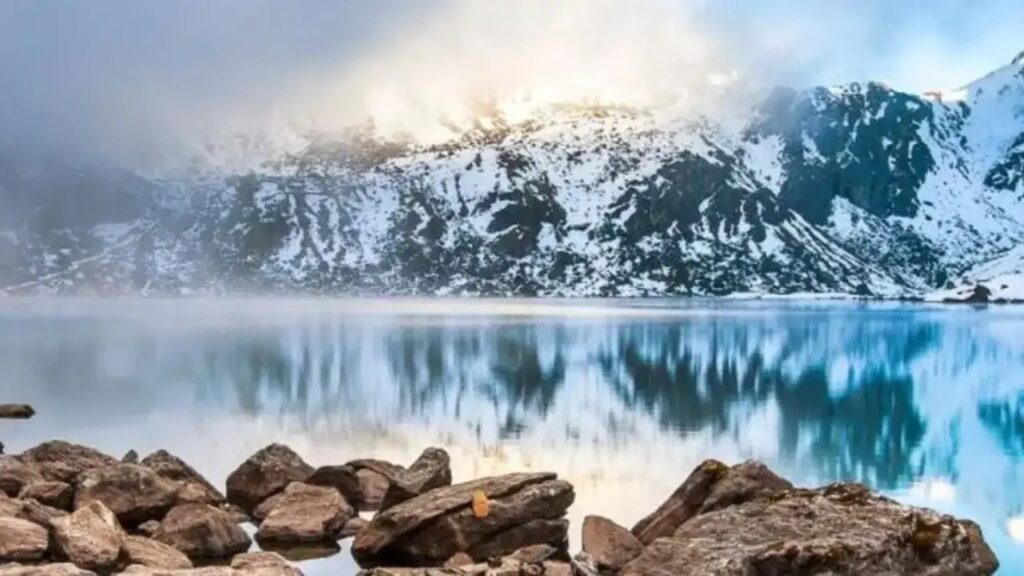
More importantly, nature also weaves into the town. You can feel the mountains long before you actually step onto the trail. The cool wind, the clear views of distant ridgelines, and the slow rhythm of life prepare you for the journey ahead. Dhunche stands at a meeting point: between culture and wilderness, motion and stillness, anticipation and reflection.
All of these little moments, warm conversations, the energy of the market, the serenity of the gompas, the steady mountain views, blend into an emotional shift. By the time you leave Dhunche, you don’t just feel like a traveler anymore. You feel like someone stepping into the Himalayas with clarity, purpose, and a quieter state of mind.
Essential Tips for Visitors to Dhunche
- Choose autumn for clear views and spring for rhododendrons; avoid the monsoon if you can.
- Expect basic lodges. Private rooms aren’t guaranteed, and hot showers usually cost extra.
- Get your Langtang National Park permit and TIMS card ready before you start.
- Carry enough cash from Kathmandu since ATMs on the route can fail you.
- Stay alert: weather flips fast, and nights get cold even at lower elevations.
- Move carefully on steep village paths to avoid slips.
- Pack smart: warm layers, a rain cover, a headlamp, sunscreen, and any personal meds.
Check out our 13 Day Langtang Gosaikunda Trek and plan your journey to villages like Dhunche and Langtang Village.